7449 East Osborn Road #4 Scottsdale, Arizona 85251
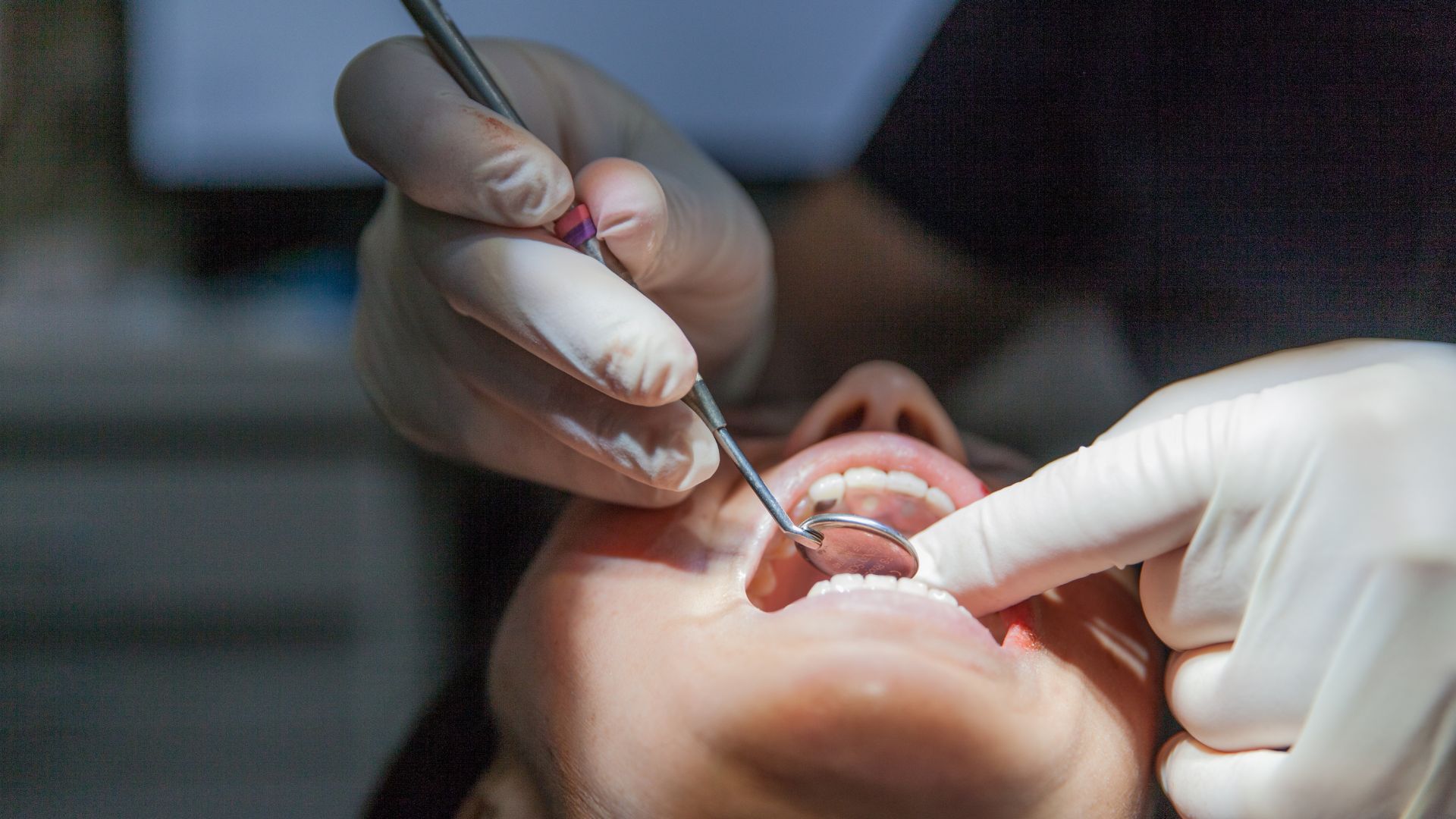
Every April, we dedicate a month to raising awareness about a serious health concern: oral cancer. This year is no different! Throughout April, organizations and healthcare professionals come together to educate the public about the importance of oral health and early detection of oral cancer.
Why is oral cancer awareness so important? Because early detection is critical for successful treatment. Oral cancer, when caught in its early stages, has a much higher survival rate. This blog will explore what you need to know about oral cancer, including its risk factors, symptoms, and how to perform a self-check at home.
Understanding Oral Cancer
Oral cancer is a general term encompassing cancers that develop in the mouth and throat. This includes the lips, tongue, cheeks, gums, the floor and roof of the mouth, and the tonsils. While less common than other cancers, oral cancer can be life-threatening if not detected and treated early.
There are two main types of oral cancer:
Squamous cell carcinoma: This is the most common type of oral cancer, affecting the thin, flat cells lining the inside of your mouth.
Other less common types: These can include cancers of the salivary glands, lips, and deeper tissues in the mouth.
Risk Factors for Oral Cancer
Certain factors can increase your risk of developing oral cancer. Here are some of the most common:
Tobacco use: Smoking, chewing tobacco, and smokeless cigarettes are all significant risk factors.
Heavy alcohol consumption: Excessive alcohol consumption can irritate the mouth tissues and increase the risk of cancer.
Human papillomavirus (HPV): Certain strains of HPV, particularly HPV16 and HPV18, are linked to an increased risk of oral cancer, especially in the tonsils and back of the tongue.
Sun exposure: Excessive sun exposure can increase the risk of lip cancer.
Diet: A diet deficient in fruits and vegetables may weaken the immune system and increase cancer risk.
Signs and Symptoms of Oral Cancer
Early detection is crucial for successful oral cancer treatment. Here are some signs and symptoms to be aware of:
Mouth sores that don’t heal: A persistent sore on your lip, tongue, cheek, or gums that doesn’t heal within two weeks is a potential warning sign.
Red or white patches on the gums, tongue, or inner cheek lining: These patches can be a sign of abnormal cell growth.
Lumps in the mouth or neck: A lump in your neck, jaw, or cheek could be a sign of swollen lymph nodes, which can be caused by oral cancer.
Bleeding in the mouth that isn’t explained by an injury: Unexplained bleeding in the mouth is a cause for concern.
Loose teeth or dentures that don’t fit well: Oral cancer can cause changes in the jawbone, leading to loose teeth or poorly fitting dentures.
Difficulty chewing, swallowing, or speaking: Changes in your mouth’s ability to function normally can be a symptom of oral cancer.
Numbness in the mouth or tongue: A persistent feeling of numbness in your mouth or tongue should be evaluated by a dentist.
Performing a Self-Check at Home
While a self-check cannot definitively diagnose oral cancer, it can help you become familiar with the normal appearance of your mouth and identify any potential changes. Here’s how to perform a simple self-check at home:
Stand in front of a mirror with good lighting.
- Tilt your head back and stick out your tongue to examine the top, sides, and underside.
- Gently pull down your lower lip and examine your gums, cheeks, and the floor of your mouth.
- Feel around your jaw and under your chin for any lumps or bumps.
- If you notice any changes or experience any of the symptoms listed above, schedule an appointment with your dentist right away.
Oral cancer is a serious health condition, but early detection is key to successful treatment. By being aware of the risk factors, signs, and symptoms, and performing regular self-checks, you can take charge of your oral health. This April, let’s all pledge to “Check Your Mouth” and spread awareness about oral cancer. Remember, early detection saves lives!