7449 East Osborn Road #4 Scottsdale, Arizona 85251
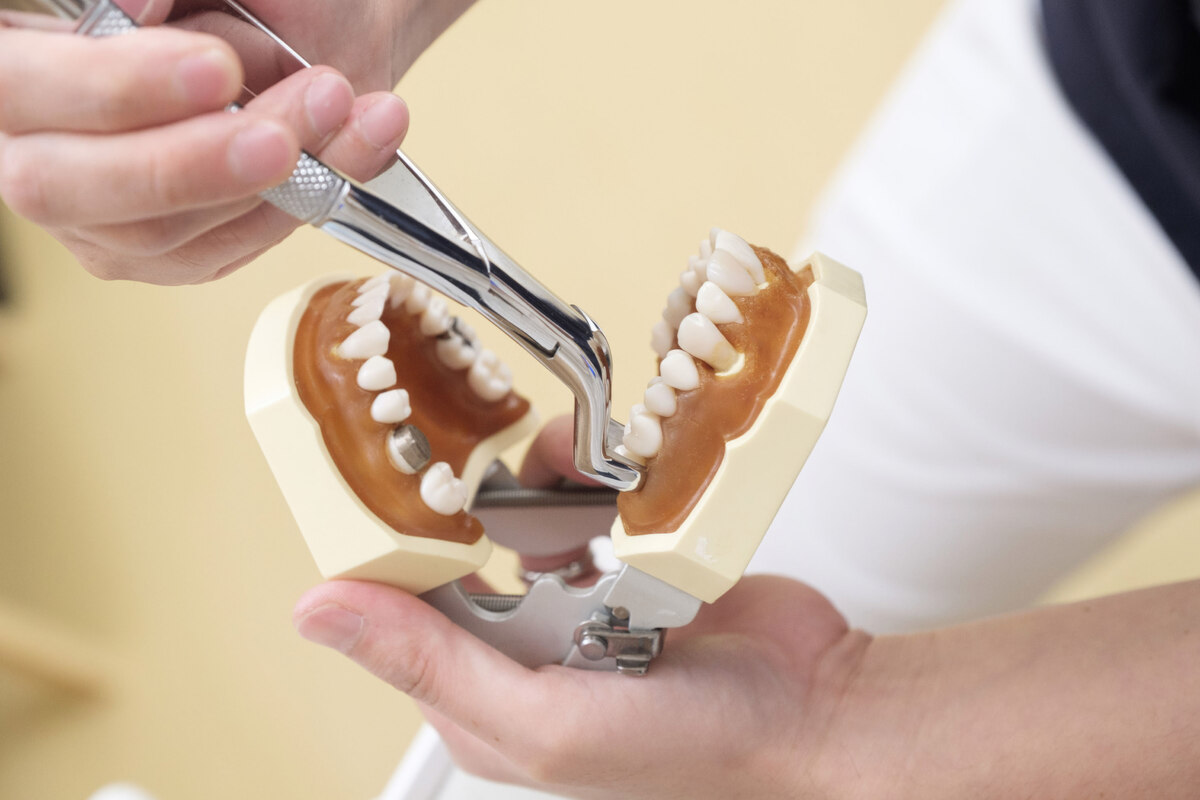
Have you ever felt like your mouth is a bit of a construction zone? You’ve put in the time, the patience, and the investment to get that perfect dental implant. It feels great, looks natural, and you’re finally back to enjoying steak night. But then, life happens. Maybe a neighboring tooth starts to ache, or perhaps you’re worried about the implant itself. You might be asking yourself, “Wait, can I even get a tooth extracted now that I have these implants in place?”
It’s a common concern, and if you’re feeling a bit anxious about it, you’re definitely not alone. Whether you’re considering removing a natural tooth next to an implant or wondering whether an implant itself ever needs to “come out,” we’ve got the data, clinical insights, and roadmap you need.
Let’s dive into the science of your smile and clear up the confusion about dental extractions in a post-implant world.
How successful are dental implants?
Dental Implants in Scottsdale are one of dentistry’s most reliable restorations. Multiple systematic reviews show that long-term survival rates are typically 90–97% over 5–10 years. For example, a widely cited meta-analysis estimated a 5-year implant survival of ~96.8% for single-crown implants.
However, survival slowly declines over very long follow-up (some meta-analyses show reduced survival at two decades), and complications such as peri-implantitis (inflammation + bone loss around implants) are essential reasons implants sometimes fail. Recent long-term reviews note survival rates generally >90% at 5–10 years but variable outcomes beyond that.
Why this matters: implants usually last—but not always —so extraction/removal decisions are guided by the specific problem, not by the assumption that implants are indestructible.
Extracting a natural tooth after an implant is already placed
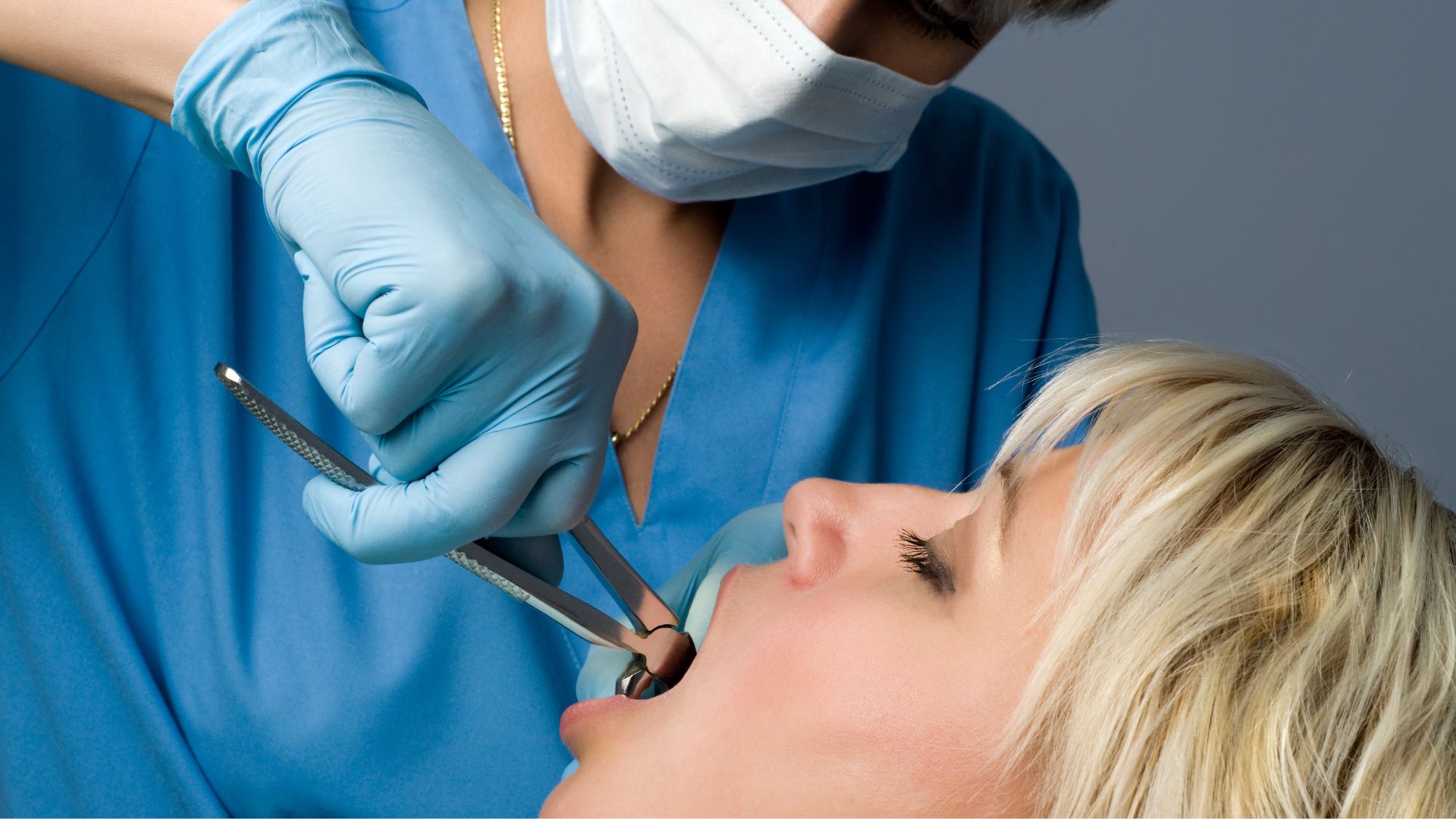
Yes — you can extract a natural tooth after an implant has been placed nearby. But this requires planning.
Key considerations
- Timing & biomechanics: Removing a tooth adjacent to an implant can change bite forces. If the implant-supported crown shares occlusion with that tooth, your dentist will check the occlusal scheme (how your teeth meet) and may adjust the crown to avoid overload.
- Bone & soft-tissue effects: Extracting a natural tooth can alter bone shape and gum contours. If the adjacent implant was placed with minimal bone or tight spacing, extraction may result in cosmetic or functional changes that require soft-tissue management.
- Infection control: If the tooth being removed has an infection (such as an abscess or severe periodontitis), your dentist will manage the infection carefully to protect the implant.
Practical takeaway: Extraction of a neighboring tooth is commonly performed, but coordinated care (occlusal check, possible temporary adjustments, and infection control) prevents problems.
Removing the implant itself (implant extraction/removal)
Sometimes the implant must be removed. Why? The most common reasons are progressive peri-implantitis (infection + bone loss), implant fracture, malpositioning, or persistent pain/loosening. Multiple clinical reviews and case series identify peri-implantitis as the leading cause of late implant removal. One review noted peri-implantitis accounted for a considerable proportion of late failures.
How often does removal happen?
- Implant failures are relatively uncommon but not rare: many studies report 5–10-year survival rates of 90–97%, suggesting a small but meaningful fraction of implants will require intervention or removal over time.
Common reasons for removal (clinical review):
- Infection/peri-implantitis (most common for late failures).
- Mechanical failure (implant fracture, prosthetic complications).
- Poor placement / esthetic or functional problems requiring elective removal.
Removal techniques & outcomes
Dentists use conservative techniques (unscrewing, reverse-torque, trephine/ring removal, or flap surgery) chosen by the case specifics. A narrative review summarizes indications and technique selection — removal is generally predictable when performed by an experienced surgeon. Still, the goal is to minimize bone loss to allow future replacement options.
Want to have a tooth extracted and an implant placed (same day)?
Yes — immediate implant placement after tooth extraction is a standard option for eligible patients. Many studies report high short-term survival for immediate placement (often in the 90%+ range), but success depends on bone quality, absence of acute infection, and surgical technique. Immediate placement can preserve bone and shorten treatment time — but it’s not always the best choice.
Who’s a good candidate?
- Healthy bone around the socket, no active severe infection, good systemic health, and realistic expectations.
Who’s not?
- Patients with uncontrolled diabetes, heavy smokers, insufficient bone without grafting, or active severe socket infection are typically better served by a staged approach (extract → heal → place implant).
What happens after an implant is removed? Can you get another implant?
Often yes. After implant removal due to infection or failure, clinicians will decide between immediate replacement and delayed reimplantation based on the bone and soft-tissue conditions. For infected sites, many surgeons recommend thorough debridement, allow soft-tissue healing, reconstruct bone if needed, and re-implant later — outcomes are generally favorable with proper planning.
Numbers worth knowing (quick stats)
- 5-year implant survival: ~90–97% in many systematic reviews and meta-analyses (a commonly cited pooled estimate is ~96.8% at 5 years for implants supporting single crowns).
- Complications over time: biologic complications (peri-implant disease, bone loss) occur and are the most common reason for late implant failure in many case series. One review reported peri-implantitis as a dominant cause of late failure.
- Implant removal is not usually immediate: many failed implants are removed after conservative measures are tried; removal techniques and outcomes are well described in clinical literature.
What to expect at your U.S. dental visit (practical plan)
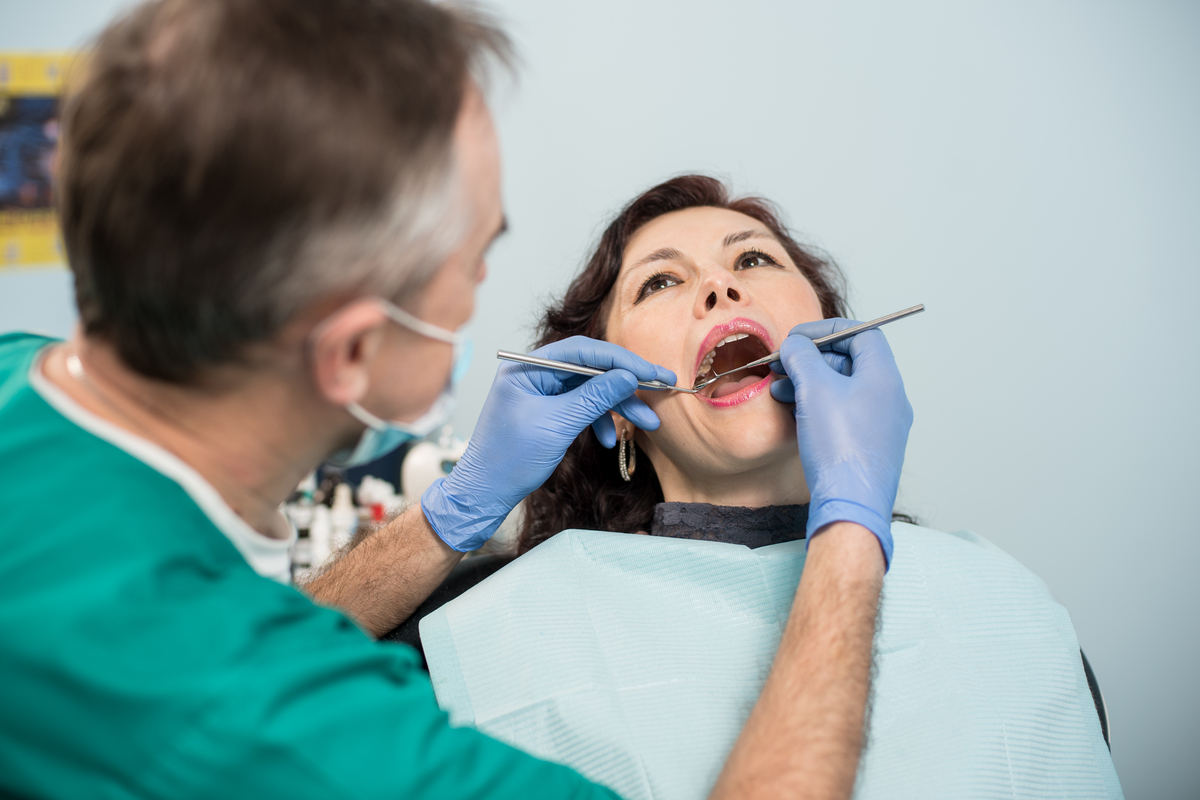
- Exam & imaging: your dentist or oral surgeon will examine the implant and adjacent teeth and take periapical X-rays or CBCT if needed.
- Diagnosis: identify infection, mechanical issues, occlusion problems, or aesthetic concerns.
- Conservative options first: non-surgical cleaning, laser/antibiotic protocols, occlusal adjustments, or prosthetic fixes may be tried before extraction/removal.
- If extraction/removal is necessary: discuss techniques, risks, whether bone grafting or a staged approach will be needed, and options for replacement (another implant, bridge, or denture).
- Aftercare: antibiotics if infection present, pain control, short-term diet modifications, and follow-up. In the U.S., costs and insurance coverage vary — get an itemized treatment plan.
Conclusion
The journey to a healthy smile isn’t always a straight line. Having a dental implant doesn’t “lock” your mouth in place forever—you can still have extractions if they are medically necessary to protect your overall oral health.
The key takeaway is that modern dentistry is incredibly resilient. If a neighboring tooth fails, your implant can stay. If an implant fails, your bone can be rebuilt. With a success rate for implants still hovering near 98%, the odds are overwhelmingly in your favor.
The best thing you can do? Keep your scheduled cleanings. Those check-ups allow your qualified dentist in Scottsdale to catch issues like peri-implantitis before they require an extraction.
FAQs
1) If my neighbor’s implant failed, does that mean mine will too?
No. Implant outcomes depend on many factors (surgical technique, smoking status, oral hygiene, and medical conditions). While implants are generally reliable, your dentist will look at your individual risk profile.
2) Can you extract a molar next to an implant without damaging the implant?
Yes — with careful technique. Your dentist will protect the implant from excessive force, monitor occlusion, and may adjust the crown to avoid overload. Communication with the surgeon/restorative dentist is key.
3) If an implant is removed for peri-implantitis, can I get a new one later?
Often yes. After removing the infected implant and ensuring the site heals (and sometimes bone grafting), many patients receive a replacement implant with success, provided risk factors are controlled.
4) How common is peri-implantitis?
Estimates vary by population and study, but peri-implantitis is recognized as a significant cause of implant complications and late failures. Longitudinal studies report biological complications (such as peri-implantitis) as important factors to monitor.
5) What should I ask my dentist if extraction or implant removal is suggested?
Ask: Why is this necessary? Are there conservative alternatives? What removal technique will be used? Will a bone graft be needed? When could replacement be done, and what are the costs/risks? Ask to see imaging and a written plan.