7449 East Osborn Road #4 Scottsdale, Arizona 85251

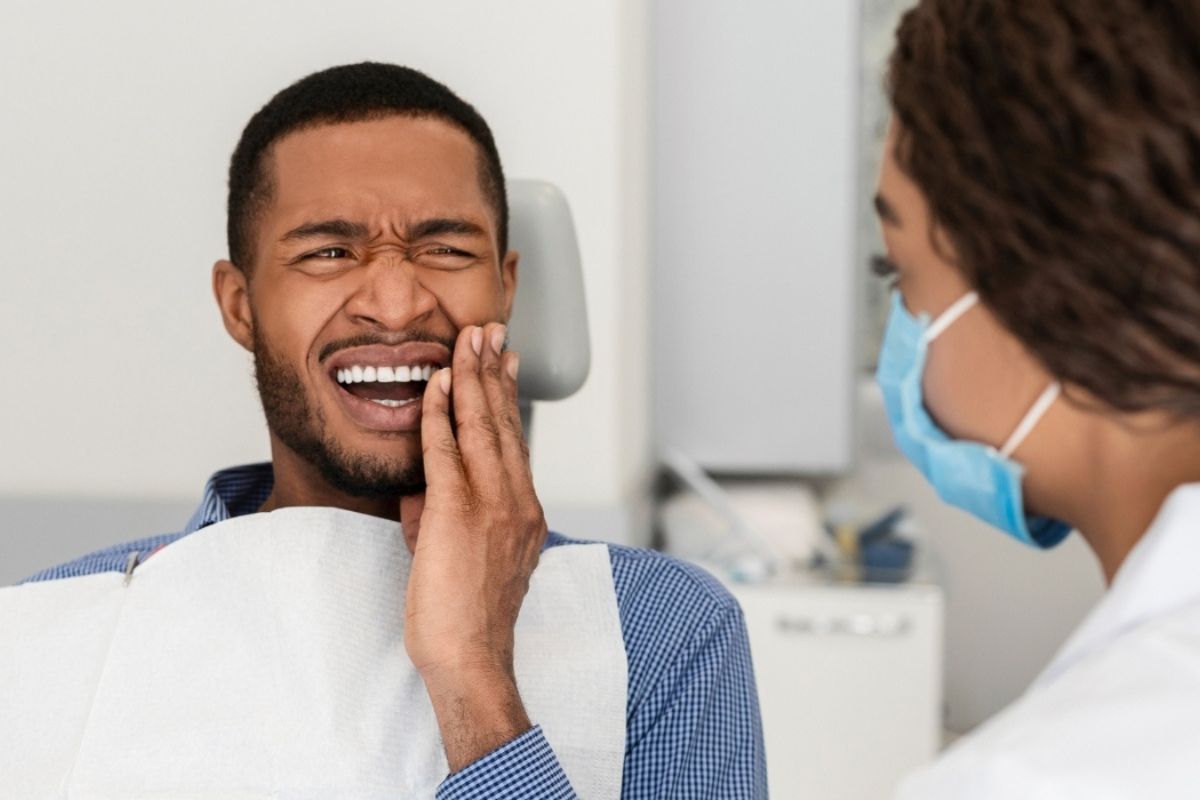
A toothache can disrupt your life, but how do you know when it is more than just a minor issue? Suppose you are awake in agony, unable to eat or focus, wondering if the pain will ever end. Scary, right? Rest assured, by the end of this blog, you will know when a toothache requires emergency dental care and how to take action.
Symptoms of Toothache That Need Prompt Care
Not all, but there are certain toothaches that ask for instant care from specialized emergency dental care. Here are some of those:
1. Unbearable, Intense Pain
If your tooth pain is so severe that you cannot eat, sleep, or focus, it is not normal. This type of pain could mean a serious issue, such as an abscess or exposed nerve, that requires immediate treatment.
2. Pain That Lasts More Than Two Days
Persistent tooth pain that does not go away or worsens after two days is a red flag. This could indicate a serious underlying problem, like an infection or decay, that cannot be ignored.
3. Tooth Pain with Fever
A fever combined with a toothache suggests your body is fighting an infection. This is not something to manage at home. All you need to do is contact our emergency dentist in Scottsdale right away if you’re nearby.
4. Loose Teeth in Adults
Your adult teeth are not meant to feel loose. If a tooth becomes wobbly, especially with new pain, it may be due to trauma, gum disease, or infection. This indicates the condition is an emergency that needs professional attention.
5. A Broken or Chipped Tooth
Did you bite into something hard and feel your tooth crack? If it is accompanied by pain or nerve exposure, prompt care is necessary. Without treatment, the damage could worsen.
6. Swelling in the Jaw or Gums
Swelling in the jaw or gums near a painful tooth often signals an infection. Left untreated, infections can spread to other parts of your body, creating life-threatening complications.
7. Breathing or Swallowing Difficulties
When tooth pain is paired with trouble breathing or swallowing, it could mean an infection or abscess is affecting your airway. In such a case, you need to understand that the situation is critical and that immediate action from a specialized dental practitioner is necessary.
8. Persistent Bleeding
Bleeding from the gums or mouth that does not stop after an injury or procedure should not be overlooked. Persistent bleeding could lead to more complications if left untreated.
9. Pus or a Foul Taste in the Mouth
Pus-filled pockets or a bad taste in your mouth are often signs of an oral abscess. This serious infection requires urgent dental care to prevent it from spreading to other areas.
10. Tooth Pain That Wakes You at Night
If your toothache wakes you up, it is likely something more severe than sensitivity. Infections or nerve damage often cause this kind of pain, which requires an immediate visit to a professional oral care provider.
What to Do in a Dental Emergency?
In order to restore your optimal oral condition and have a smooth recovery, there are certain steps that you must take. They are as follows:
-
Call Your Dentist Immediately:
Schedule a visit with your local emergency dentist for immediate assistance. Delaying treatment can worsen the situation.
-
Manage the Pain and Swelling:
Use over-the-counter pain relievers and cold compresses while waiting for your dental visit. Do not place aspirin on your gums—it can cause burns.
-
Handle Knocked-Out Teeth Properly:
Keep your hands away from the root of the knocked-out tooth and hold it by its crown. If it’s dirty, give it a gentle rinse and keep it in milk or a preservation solution until you get to the dentist.
Toothaches are more than simply a bother; they frequently indicate more serious issues that require immediate care. You can prevent worsening pain, infections, or even tooth loss by being aware of the warning symptoms of a dental emergency.
Contact your neighborhood dental office right away if you notice any of these symptoms. Frequent dental examinations are also essential for avoiding crises and maintaining optimal oral health. Make an appointment right now to safeguard your oral health in the future.