7449 East Osborn Road #4 Scottsdale, Arizona 85251
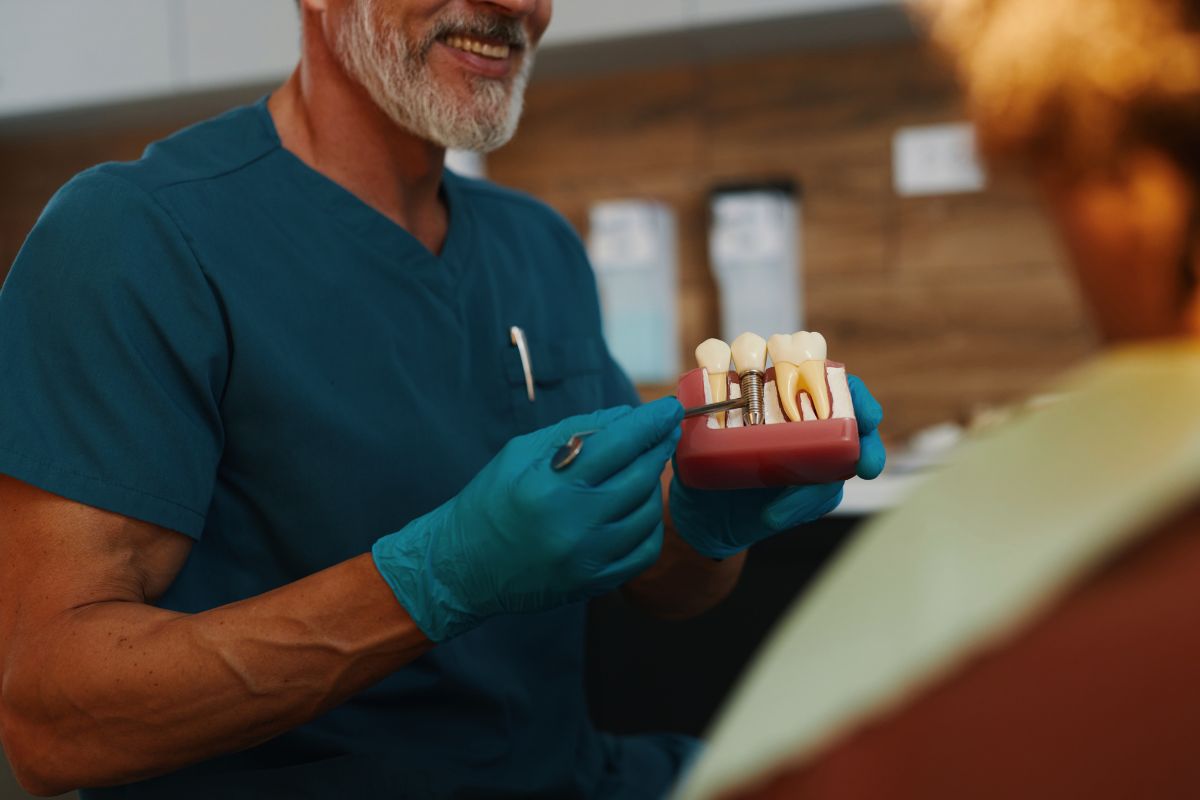
Getting a dental implant might sound intimidating, especially if you’ve heard stories about pain or long recovery times. If you’re considering dental implants, it’s natural to wonder: “How painful is getting a dental implant?” The good news is that with modern techniques and experienced care from professionals like those at Dentistry of Old Town Scottsdale, the procedure is far more comfortable than you might expect.
In this blog, we’ll break down what to expect during and after the procedure, how pain is managed, and why this long-term solution is worth the temporary discomfort.
So, Does It Hurt to Have Dental Implants Placed?
In most cases, dental implant surgery is less painful than patients anticipate. You won’t feel pain during the actual procedure because:
-
Local anesthesia is administered to numb the area.
-
Some patients may receive sedation or general anesthesia, depending on the complexity of the case or personal anxiety levels.
-
Pain receptors in the jawbone are minimal, so discomfort is limited even during the drilling stage.
Most patients compare the feeling afterward to the soreness experienced after a simple tooth extraction.
What Is the Most Painful Part of a Dental Implant?
While the procedure itself is pain-free due to numbing agents, the healing process may bring some discomfort. Here’s where most patients feel the most sensitivity:
-
Post-surgery swelling and soreness: This typically peaks within 2-3 days.
-
Tenderness around the gum area: Especially if sutures are used.
-
Jaw stiffness: Common when the implant is placed in the molar regions.
-
Mild bruising of the cheeks or gums
These symptoms are usually manageable with over-the-counter medications and proper post-op care. If you’re being treated by an experienced implant dentist, they’ll provide specific aftercare instructions to keep pain to a minimum.
How Long Does Pain Last After Dental Implants?
Pain after a dental implant doesn’t last forever. In fact, the timeline of discomfort is generally short and predictable:
-
Days 1–3: Mild to moderate discomfort, swelling, and slight bleeding.
-
Days 4–7: Significant reduction in pain; swelling subsides.
-
Week 2: Most people are pain-free and back to normal routines.
-
After 2 weeks: Persistent pain is rare and may require a check-in with your dentist.
It’s essential to follow all aftercare instructions, such as:
-
Avoiding hard or hot foods
-
Rinsing gently with warm salt water
-
Taking prescribed antibiotics or anti-inflammatories
Managing Pain During and After the Procedure
Pain management is a top priority for implant specialists. At Dentistry of Old Town Scottsdale, patients receive customized pain control plans that may include:
-
Numbing agents or sedation during surgery
-
Ice packs for managing swelling
-
Soft food diet for a few days post-op
-
Follow-up visits to ensure proper healing
Your dental team will also monitor for any signs of infection or implant rejection, which are rare but can cause lingering pain if not addressed promptly.
Are You Put to Sleep for Dental Implants?
Not always. The need for sedation depends on the complexity of the case and your comfort level. Options include:
-
Local anesthesia only: Most common for single implants
-
Conscious sedation: Makes you feel drowsy but responsive
-
General anesthesia: Used for complex, multiple implants or nervous patients
Is It Worth the Minor Discomfort?
Yes—dental implants offer significant long-term benefits:
-
Permanent solution for missing teeth
-
Improved chewing and speech
-
Natural-looking results
-
Prevents bone loss in the jaw
When placed by experienced professionals, implants boast a 95–98% success rate and can last for decades with proper care.
FAQs: Everything Else You Might Be Wondering
Q: What kind of painkillers are used after dental implant surgery?
A: Most patients manage post-op discomfort with ibuprofen or acetaminophen. In some cases, your dentist may prescribe stronger painkillers for the first day or two.
Q: How do I know if my dental implant pain is abnormal?
A: If pain persists beyond two weeks, or if you notice pus, fever, or severe swelling, contact your dentist immediately. These could be signs of infection.
Q: Is getting a tooth pulled more painful than a dental implant?
A: Most patients report that getting a dental implant is no more uncomfortable than a typical tooth extraction. In fact, many say the implant experience is easier due to better planning and local anesthesia.
Q: Can I go to work after getting a dental implant?
A: Yes, many patients return to work the next day—especially if only local anesthesia is used. However, it’s wise to plan a lighter schedule for 1–2 days post-surgery.
Q: Will the implant feel like a natural tooth?
A: Absolutely. Once healed, your implant will look and function just like a natural tooth, making it easy to eat, smile, and speak confidently.
Getting dental implants doesn’t have to be a painful process. With expert care from Dentistry of Old Town Scottsdale, advanced technology, and proper aftercare, you’ll experience minimal discomfort and enjoy the long-term benefits of a restored smile. Whether you’re replacing a single tooth or undergoing full-mouth restoration, your comfort and results are the top priority.
If you’re ready to regain your smile with a solution that looks and feels natural, reach out to our experienced team today. Your journey to a healthier, more confident you starts with one step—and we’re here to make it as smooth and pain-free as possible.