7449 East Osborn Road #4 Scottsdale, Arizona 85251
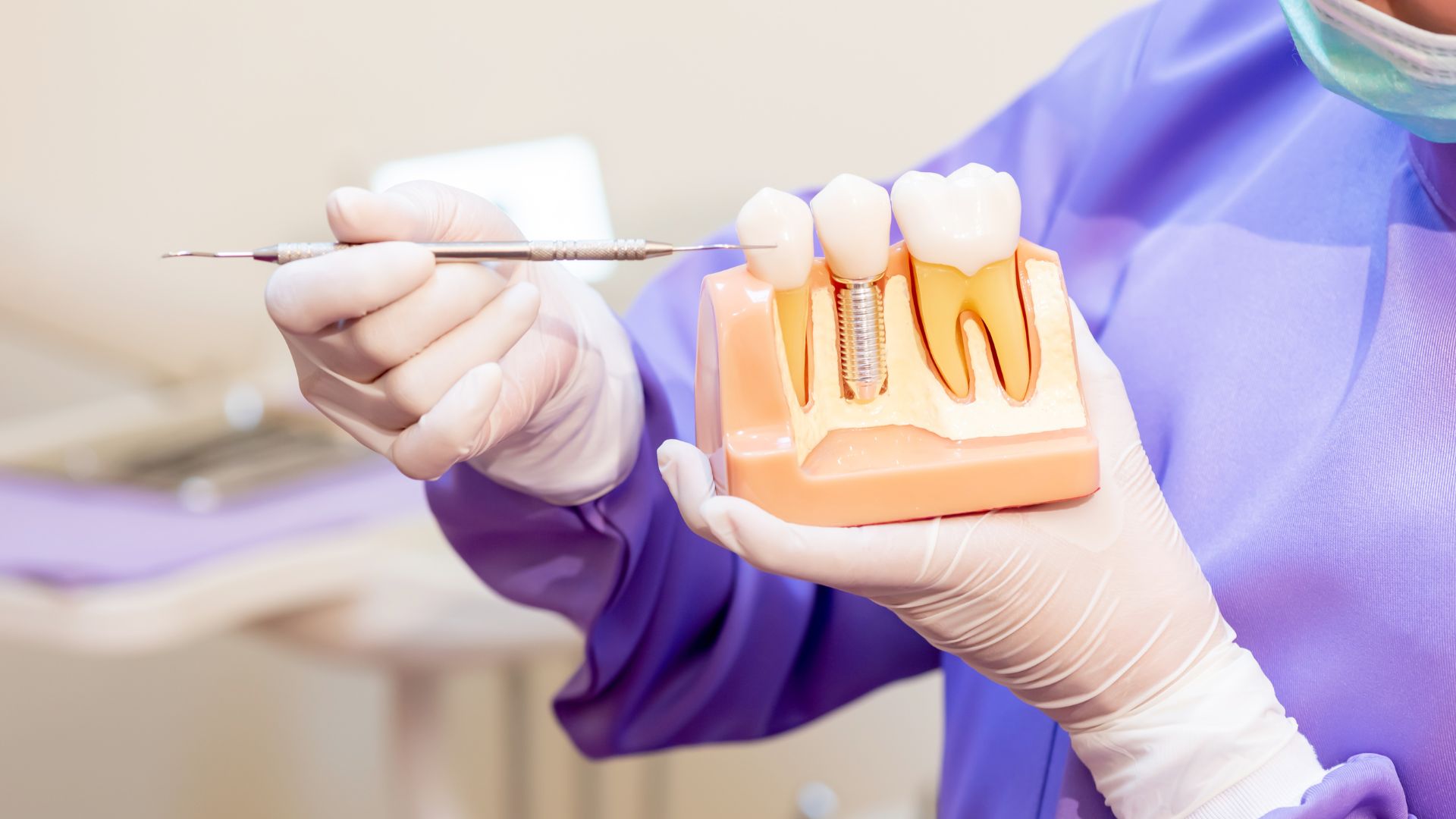
Dental implants are the most reliable solution to address the issue of tooth loss. They provide a long-lasting, aesthetically pleasing substitute for bridges and dentures. If you are considering dental prosthetics for missing teeth, understanding your candidacy is the first step toward a restored, confident smile.
Let’s explore the factors that determine your suitability for tooth implants—and answer some commonly searched questions like “Who is a good candidate for dental implants?” and “Who is not a good candidate for dental implants?”
What Are Dental Implants?
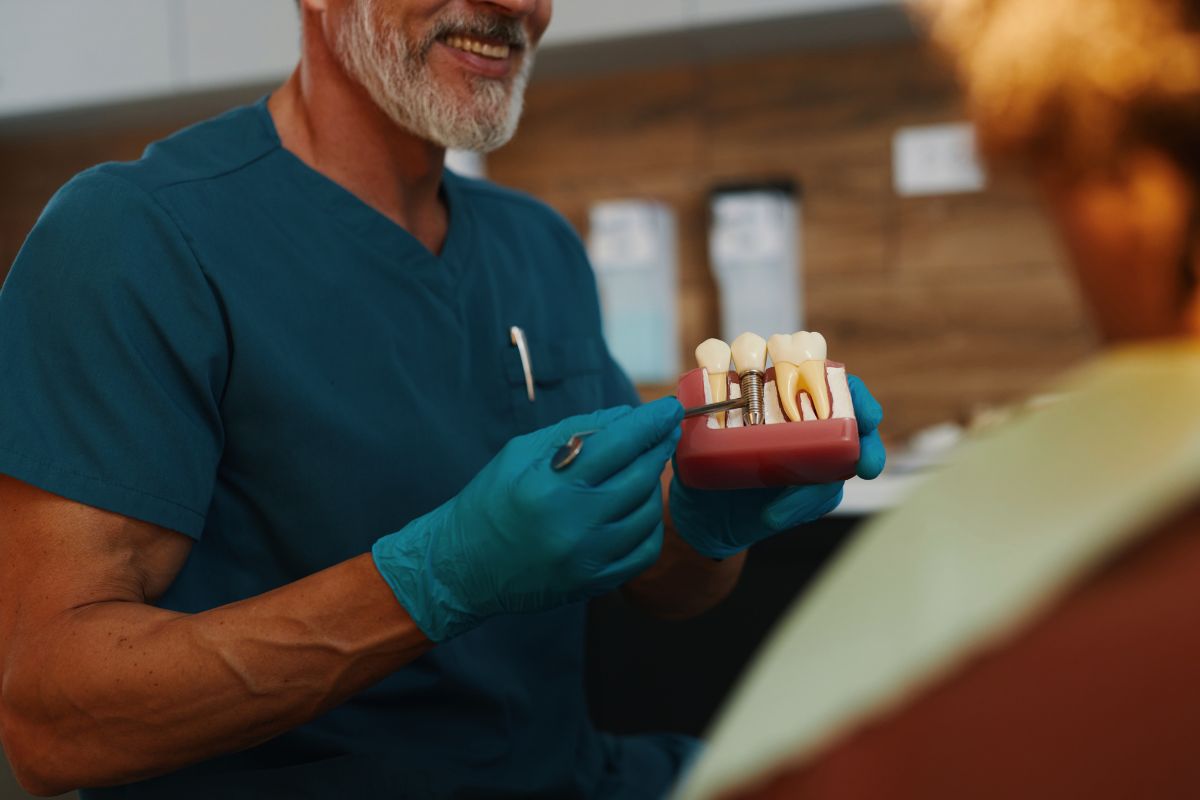
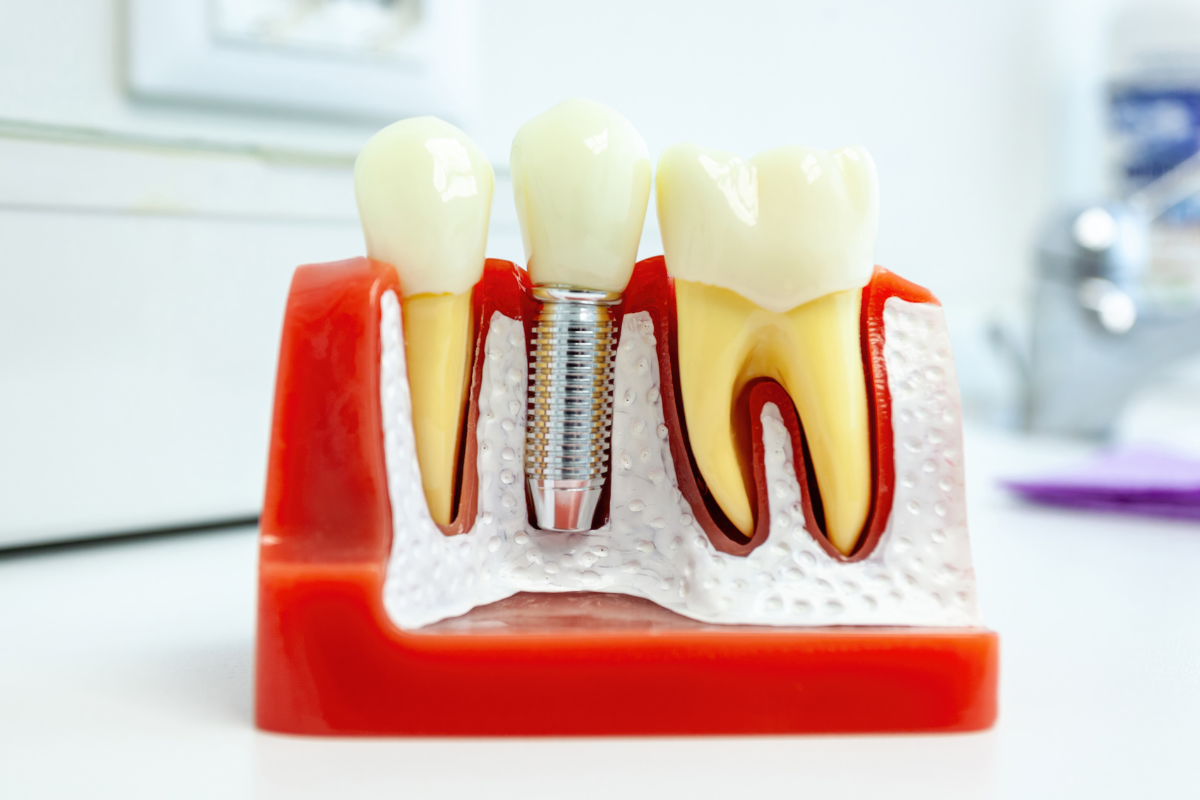
Dental implants are nothing but artificial tooth roots that are made from titanium. They offer a reliable base for permanent or removable replacement teeth. The implant is inserted into the jawbone during the procedure, and over time, it integrates with the bone. This integration creates a strong base for crowns, bridges, or dentures.
The benefits of implants go beyond aesthetics. They help preserve bone density and maintain the facial structure. Implants also improve functionality, allowing you to eat and speak without difficulty. Understanding what dental implants are can help you make an informed decision about your oral health.
In fact, patients searching for dental implants in Scottsdale often choose our dental office, not only for the aesthetics but also because they function just like real teeth.
Who Qualifies for Dental Implants?
Certain factors determine whether you qualify for dental implants. Let’s discuss these aspects one by one.
Overall Health:
Good overall health is essential for successful implant surgery. Conditions such as uncontrolled diabetes or autoimmune diseases can impair healing and increase the risk of complications. Your dentist will conduct a thorough dental evaluation to ensure you are fit for the implant procedure.
Oral Health:
Optimal gum health is vital for the success of prosthetic teeth. If you have gum disease, it must be treated before implant placement. Proper oral hygiene is also essential; your dentist will check for any existing cavities or infections that may compromise the implant.
Bone Density:
Adequate bone density is vital for supporting the tooth implant. If your jawbone lacks the necessary strength or thickness, the implant post may fail to integrate properly. Your implant dentist will assess your bone structure using imaging techniques like X-rays or CT scans to determine the suitability for this procedure. That said, even if you lack bone now, it doesn’t mean you’re not a candidate for dental implants—your provider can help boost bone volume through grafting.
Non-Smoker:
Smoking significantly hinders the healing process and raises the risk of implant failure. It can restrict blood flow to the gums, making recovery more challenging. If you smoke, consider quitting or reducing your tobacco use before and after surgery.
Commitment to Oral Hygiene:
Excellent oral hygiene practices are critical for the long-term success of dental implants. You should be prepared to maintain regular brushing, flossing, and dental checkups. This commitment helps prevent infections and ensures the health of both the implant and surrounding teeth.
Age:
Although there isn’t a specific age limit for dental implants, candidates must have fully matured jaw growth. Generally, dentists prefer to treat adults for success rates, as the jawbone is stable enough to support the implant securely.
You are likely a suitable candidate for dental implants if you meet these criteria. However, always consult with your dentist for a personalized oral health assessment. If you’re still unsure, you may ask, “Am I a candidate for dental implants?” or “Who is not a good candidate for dental implants?” during your consultation.
Who Is Not a Good Candidate for Dental Implants?
While many people qualify for dental implants, there are certain conditions that may limit eligibility or require special consideration. Wondering who is not a good candidate for dental implants? Here are a few scenarios where implants might not be recommended—or might require further evaluation:
Uncontrolled Chronic Illnesses
People with uncontrolled conditions such as diabetes, immune disorders, or bleeding problems may experience poor healing. These health issues can increase the risk of implant failure unless managed effectively.
Active Gum Disease or Oral Infections
Healthy gums are essential for implant success. If you have untreated periodontal disease or active oral infections, you’ll need to undergo treatment before becoming a candidate for dental implants.
Severe Jawbone Loss Without Intervention
If there is extensive bone loss and the patient is not eligible for bone grafting or refuses it, the implant may not integrate properly. In such cases, traditional dentures or other restorative options may be more suitable.
Heavy Smokers
Smoking restricts blood flow to the gums and negatively affects healing. Heavy smokers have a significantly higher implant failure rate and are often considered poor candidates for dental implants unless they commit to quitting or reducing smoking before and after surgery.
Children or Teens with Incomplete Jaw Growth
Because the jawbone must be fully developed, young patients are generally not suitable candidates for implants until growth is complete. This typically excludes teens and younger children from implant consideration.
Patients with Bruxism (Teeth Grinding)
Chronic grinding or clenching can place excessive pressure on implants, leading to complications. If you suffer from bruxism, your dentist may recommend using a nightguard or exploring alternative treatments.
If you fall into any of these categories, don’t worry—it doesn’t always mean implants are completely off the table. You may still become a dental implant candidate with the right treatment plan, health management, or lifestyle changes.
What If I Don’t Have Adequate Bone Density for Implants?
It doesn’t automatically disqualify you from receiving dental implants if you lack sufficient bone density. There are several options available to enhance your candidacy:
Bone Grafting:
This procedure involves adding bone material to your jaw. The graft can come from your body or a donor source. Over time, the graft fuses with your existing bone, creating a stronger foundation for implants.
Sinus Lift:
A sinus lift may be necessary to place implant posts in the upper jaw. This procedure raises the sinus floor, allowing for bone grafting in that area. It can improve the chances of successful implant placement.
Mini Dental Implants:
If bone density is a significant issue, mini implants may be an option. These smaller implants require less bone and can be placed with minimal invasiveness. They can serve as anchors for dentures or crowns.
Regular Monitoring:
If you’re not ready for implants yet, regular dental visits can help monitor your bone health. Your dentist can recommend preventive measures to maintain bone density.
Discuss these options with your implant provider to find the right approach. They will assess your unique situation and create a personalized treatment plan to replace missing teeth. You may still become a candidate for dental implants with the right preparation.
Who Is Best Qualified to Do Dental Implants?
Another question people often search for is, “Who is best qualified to do dental implants?” The answer lies in choosing an experienced implant dentist with the right training and credentials. In Scottsdale, our implant dentists with certifications in prosthodontics, oral surgery, or advanced implantology are typically the most qualified.
When searching for dental implants, make sure your provider uses digital imaging, offers guided surgery, and has a track record of successful cases. The right professional will help determine whether you’re a strong dental implant candidate and guide you through every step—from consultation to aftercare.
That’s why many patients trust our advanced dental implants in Scottsdale—backed by precision technology, expert care, and a focus on long-term success.
Take the Next Step Toward a Healthier Smile
Determining if you’re a good candidate for dental implants involves assessing various factors. Good overall and oral health, adequate bone density, and a commitment to dental hygiene play essential roles.
If you’re considering prosthetic teeth, schedule a consultation with our implant dentist in Scottsdale. They can assess your eligibility for implant surgery and create a treatment plan tailored to your needs. Whether you’ve been told you’re not yet a candidate or you’re wondering how to improve your dental implant candidacy, there’s almost always a way forward.
With expert guidance, even patients with limited bone or prior oral issues can become successful candidates for dental implants. Don’t let missing teeth affect your confidence or quality of life—our durable dental implants in Scottsdale might be the solution you’ve been looking for.