7449 East Osborn Road #4 Scottsdale, Arizona 85251

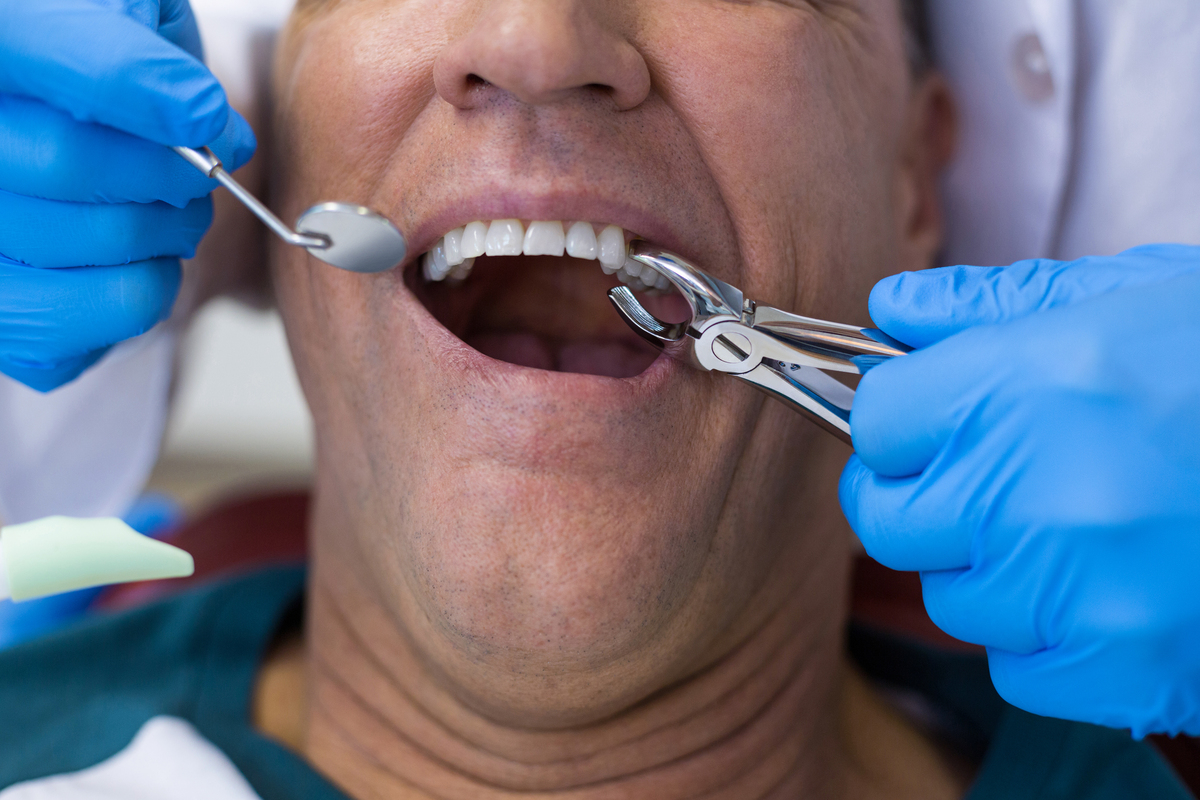
Dry socket pain can be unbearable — it’s that deep, throbbing ache radiating from your extraction site that just won’t quit. While tooth extractions usually heal smoothly, sometimes the protective blood clot that forms over the socket gets dislodged or dissolves too early. This condition, called a dry socket (alveolar osteitis), exposes nerves and bone, leading to intense pain and delayed healing.
If you’re struggling with this issue, don’t worry — there are effective ways to find relief and promote faster recovery. In this guide, our experts at Dentistry of Old Town Scottsdale explain how to treat dry sockets safely and what you can do to prevent them in the first place.
What Causes a Dry Socket?
A dry socket occurs when the blood clot meant to protect your bone and nerves after a tooth extraction doesn’t form properly or gets dislodged. This exposes the underlying bone to air, food, and bacteria — causing severe pain and inflammation.
Common causes include:
-
Smoking or vaping (the suction can dislodge the clot)
-
Rinsing or spitting forcefully after surgery
-
Using a straw too soon
-
Poor oral hygiene
-
Traumatic extractions or wisdom tooth removal
-
Oral infections or certain medications that affect healing
People who smoke or have a history of dry socket are at a higher risk. That’s why our Scottsdale dentist may recommend extra precautions post-surgery.
Symptoms That Signal a Dry Socket
Not sure if your pain is normal? Here are the telltale signs you might have a dry socket:
-
Severe pain 2–4 days after extraction
-
Pain radiating to your ear, jaw, or temple
-
Foul taste or bad breath
-
Visible bone in the socket
-
Empty-looking extraction site
If these symptoms sound familiar, it’s best to contact your dentist as soon as possible. The longer it’s left untreated, the more painful it becomes.
How to Treat a Dry Socket: Step-by-Step Relief
Dry sockets won’t heal properly without the right care. While mild discomfort may ease with home remedies, a true dry socket requires professional treatment. Here’s what helps:
- Professional Cleaning and Medicated Dressings
Your dentist will first clean the socket to remove debris and bacteria. Then, they’ll place a medicated dressing or paste that soothes pain and promotes healing. These dressings may need to be changed every couple of days until the pain subsides.
- Pain Relief and Anti-inflammatory Medications
Over-the-counter pain relievers like ibuprofen can help manage inflammation and discomfort. In some cases, your dentist may prescribe stronger medications for short-term use.
- Rinsing Gently with Warm Salt Water
A warm saline rinse can keep the area clean and aid healing — but be gentle. Forceful rinsing can worsen the condition. Use it only after your dentist approves, usually after 24 hours. If you’re wondering “Will salt water burn a dry socket?” — it might sting slightly, but it shouldn’t cause severe pain.
- Avoiding Suction and Straws
Using straws or spitting forcefully can dislodge new clots. Stick to soft foods and avoid anything that requires strong suction until your dentist gives the go-ahead.
- Cold Compress for Pain Management
Applying a cold compress to your cheek can reduce swelling and numb discomfort in the early stages. After 24 hours, switch to a warm compress to boost circulation and promote healing.
How Long Do Dry Sockets Take to Heal?
Typically, dry sockets take 7 to 10 days to heal completely, though pain should start easing within a few days of treatment. The healing time depends on:
-
How soon you receive professional care
-
The size of the extraction site
-
Your oral hygiene habits
-
Whether you smoke or not
Following your dentist’s aftercare instructions is key to a quicker recovery.
The Riskiest Days for Dry Socket Development
Dry sockets usually appear between the 2nd and 5th day after extraction — that’s when the blood clot is most fragile. Avoid smoking, vigorous rinsing, and physical strain during this window to lower your risk.
Our dentist can give you aftercare guidelines that help protect the clot and prevent this painful setback.
Can You Fix a Dry Socket at Home?
While it’s tempting to try home remedies, you can’t fix a dry socket yourself. You can manage mild symptoms temporarily with salt water rinses, cold compresses, or clove oil, but these are short-term relief methods — not cures.
Professional dental treatment is essential because only a dentist can clean the area safely and apply medication that speeds healing. Attempting to “treat it yourself” can worsen infection and pain.
Does Gauze Prevent Dry Socket?
Gauze helps protect the extraction site immediately after surgery by absorbing blood and stabilizing the clot. However, it should be used only as directed. Keeping gauze in too long or removing it aggressively can actually dislodge the clot — increasing dry socket risk.
Your dentist will advise how long to keep gauze in place (usually 30–45 minutes post-extraction) and when it’s safe to remove it.
When to Call a Dentist
Contact a professional if:
-
Pain worsens instead of improving after 2–3 days
-
You notice exposed bone or a foul odor
-
Over-the-counter pain relievers don’t help
-
You have swelling, fever, or signs of infection
FAQs About Dry Sockets
1. What is the fastest way to get rid of a dry socket?
The fastest way is to see your dentist for a medicated dressing. It provides instant pain relief and accelerates healing.
2. Can I use clove oil for a dry socket?
Yes, clove oil can help numb pain temporarily, but it’s not a substitute for professional treatment.
3. Can antibiotics treat a dry socket?
Antibiotics may be prescribed if there’s an infection, but the main treatment involves cleaning and dressing the socket.
4. Can dry sockets heal on their own?
Minor cases may heal with time, but most need dental care to prevent complications.
5. How can I prevent dry sockets in the future?
Avoid smoking, don’t use straws, and follow all post-extraction care instructions from your dentist.
A Pain-Free Path to Recovery
Dealing with a dry socket can be tough, but timely treatment and proper care can make all the difference. Whether it’s soothing the pain or ensuring safe healing, Dentistry of Old Town Scottsdale is here to help.
If you’re experiencing persistent pain after a tooth extraction, contact us for professional relief and personalized care that gets you smiling again — pain-free.