7449 East Osborn Road #4 Scottsdale, Arizona 85251
A tooth extraction can feel overwhelming, especially when you’re unsure how to care for your mouth afterward. One of the most common questions patients ask is: When can I use toothpaste after tooth extraction? While it may seem simple, brushing too soon or incorrectly can actually cause problems like dislodging the blood clot, delaying healing, or even leading to painful conditions such as dry socket.
This guide breaks down the right timeline and safe techniques for resuming your oral hygiene routine.
Why Brushing Too Soon Can Be Risky
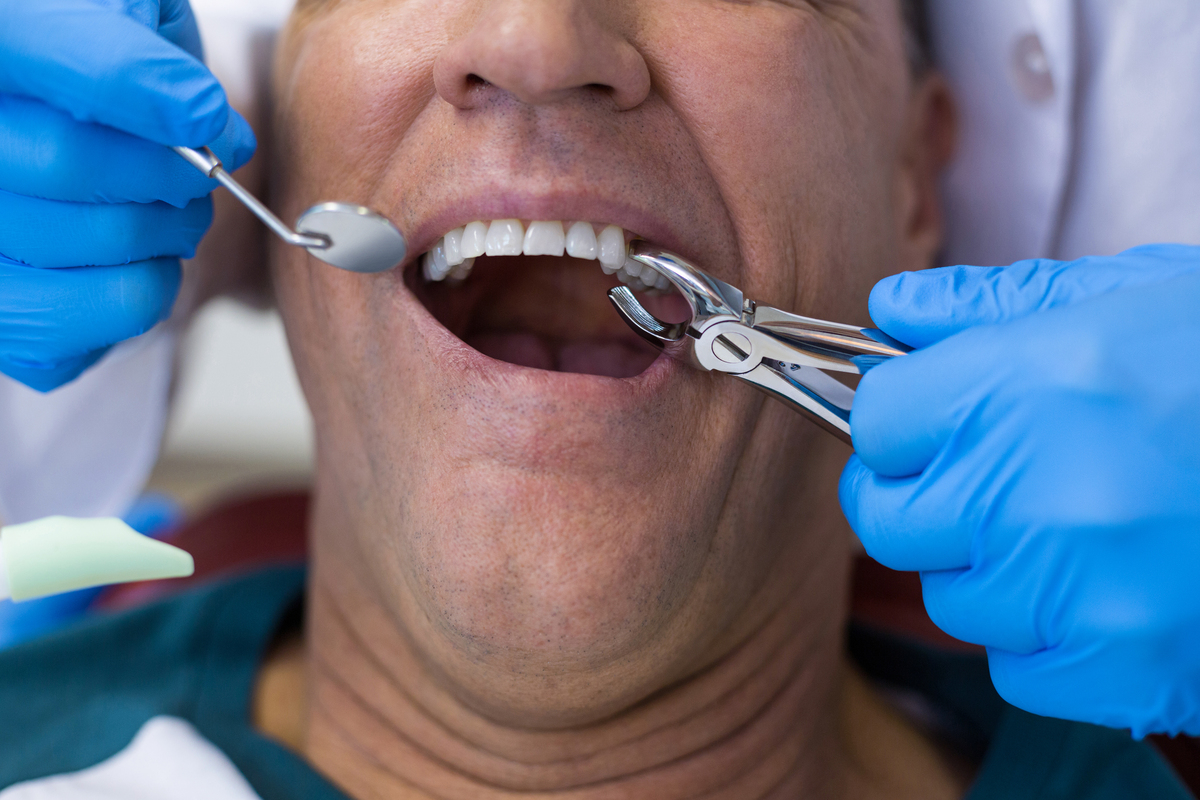
After a tooth is pulled, a blood clot forms at the extraction site. This clot is crucial for protecting the bone and nerves underneath and for helping your gums heal. Using toothpaste or brushing aggressively too early can:
-
Dislodge or dissolve the blood clot
-
Cause bleeding at the extraction site
-
Lead to painful dry socket
-
Increase the risk of infection
For the first 24 hours, avoid brushing the extraction site entirely. During this time, stick to gentle rinsing with plain water if necessary.
Safe Timeline for Using Toothpaste After Extraction
It’s important to reintroduce toothpaste gradually into your routine. Here’s a breakdown:
-
First 24 Hours: Avoid brushing or rinsing with toothpaste. Let the clot form and stabilize.
-
Day 2 to Day 3: You can gently brush your other teeth using a soft-bristled toothbrush and a small amount of toothpaste, but keep the bristles and foam away from the extraction site.
-
Day 4 to Day 7: Carefully start brushing near the extraction site, still using gentle motions. Avoid spitting forcefully after brushing; let the toothpaste dribble out instead.
-
After One Week: Most people can return to their normal brushing routine, as long as they don’t feel pain or see signs of irritation.
The Right Way to Brush After Tooth Extraction
When you’re ready to use toothpaste again, technique matters more than ever. Follow these tips to avoid disturbing the healing site:
-
Use a soft-bristled toothbrush
-
Choose a mild, fluoride toothpaste
-
Brush in gentle, circular motions rather than back and forth
-
Avoid brushing directly over the socket until it is fully healed
-
Rinse your mouth by tilting your head and letting the water fall out instead of spitting forcefully
By following these steps, you’ll keep your mouth clean without slowing down the recovery process.
Other Oral Care Tips During Recovery
In addition to toothpaste, there are other daily habits that affect your healing. Consider these tips:
-
Saltwater rinses: Starting 24 hours after surgery, rinse gently with warm salt water 2–3 times a day.
-
Avoid mouthwash with alcohol: These can irritate the wound.
-
Stay hydrated: Drink plenty of water but avoid using straws, as suction can dislodge the clot.
-
Be mindful of diet: Stick to soft foods like yogurt, mashed potatoes, or scrambled eggs for a few days.
-
Skip smoking or vaping: These delay healing and increase your risk of complications.
Our dentist in Scottsdale can give you specific aftercare instructions based on your procedure, especially if you had a surgical extraction or wisdom tooth removal.
When to Call Your Dentist
While minor discomfort and swelling are normal, you should call a dentist if you notice any of these warning signs:
-
Severe or increasing pain
-
Prolonged bleeding after 48 hours
-
Pus, bad taste, or foul odor from the extraction site
-
Swelling that doesn’t improve after a few days
-
Numbness or tingling that persists
Prompt care can help prevent infections or other complications.
FAQs About Toothpaste Use After Tooth Extraction
Q. Can I use whitening toothpaste after a tooth extraction?
A. No. Whitening toothpastes often contain abrasive ingredients that can irritate sensitive tissues. Stick with a mild fluoride toothpaste until healing is complete.
Q. What type of toothbrush should I use after extraction?
A. A soft-bristled or extra-soft toothbrush is best. Hard bristles may harm the healing gum tissue.
Q. How long does it take for the extraction site to fully heal?
A. Most simple extractions take 1–2 weeks to heal, while surgical extractions may take longer. Your dentist will let you know when it’s safe to resume your full oral care routine.
Q. Can I just skip toothpaste for a week?
A. Skipping toothpaste isn’t recommended. Instead, brush the unaffected areas of your mouth with toothpaste while avoiding the extraction site until it heals. This prevents plaque buildup and keeps your mouth healthy.
Q. Is it safe to use an electric toothbrush after an extraction?
A. It’s better to wait at least a week before using an electric toothbrush, as the vibrations may disturb the blood clot. Switch back to manual brushing during early healing.
Keeping Your Smile Healthy After an Extraction
Caring for your mouth properly after a tooth extraction ensures faster healing and protects your long-term oral health. Knowing when you can use toothpaste after tooth extraction is an important part of recovery. Start slow, use gentle techniques, and don’t hesitate to reach out to our Scottsdale dentist if you have concerns.
At our dental office, patient comfort and care come first. Whether you need an extraction, preventive care, or follow-up support, their team is here to guide you every step of the way. Taking the right precautions now will help you return to your regular oral hygiene routine with confidence and keep your smile healthy for years to come.