7449 East Osborn Road #4 Scottsdale, Arizona 85251

How Do You Chip or Crack Your Teeth
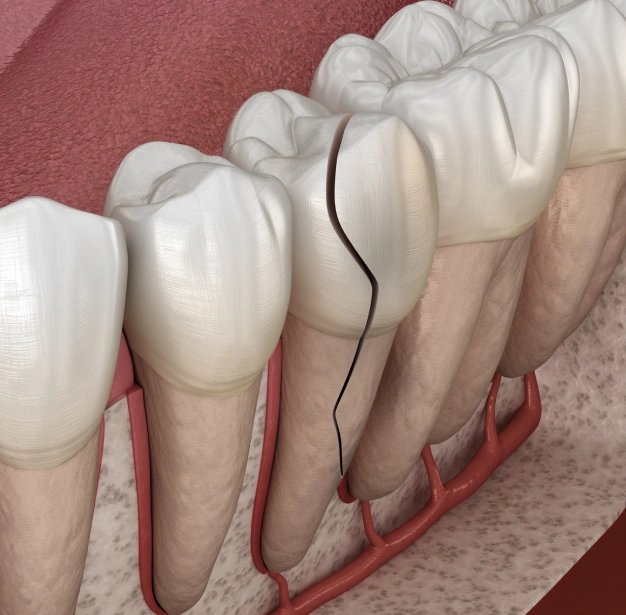
Enamel, which covers your teeth and is the hardest substance in your body, has its limits. If you chew on hard candy, ice, bite down hard, receive a blow to your face, or grind your teeth in your sleep, your teeth can chip or crack. Poor hygiene and cavities can also weaken your teeth and make them more susceptible to being chipped or cracked. You may not even feel any tooth pain when you chip a tooth unless it’s large enough to expose the inner layer of your tooth. A cracked tooth might only affect the enamel, and it would not feel painful unless you bite down hard or when the temperature in your mouth changes. Many times you won’t be able to see a crack with the naked eye. This is why it’s so important to schedule regular appointments with Dr. Brittain, because he will be able to find problems before they become painful.
What Types of Broken or Chipped Teeth Would Dr. Brittain Recommend Fixing
During apical surgery, the endodontist accesses the infection through an incision in the gums. The infected tissue is removed and sent to a pathology lab to be evaluated. The root’s tip, which usually contains the source of the problem, is also removed. The endodontist then carefully prepares a small tunnel in the root canal and places a root-end filling. The gum tissue is closed with sutures that are removed after several days. Once the infection is removed, the bone can heal.
- Craze Lines - Craze lines are tiny cracks in the outer layer of your enamel only. They’re very common in adults. They are extremely shallow and they don’t cause pain. While not cosmetically pleasing, they’re not dangerous. Craze lines do not require treatment.
- Fractured Cusp - A fractured cusp is a fracture at the point of a tooth on the chewing surface. A cusp can become weakened and either break off on its own or it may need to be removed by Dr. Brittain. Removing it usually relieves the pain. Fractured cusps rarely damage the pulp of your tooth, so root canal treatment is usually not necessary. To repair the tooth back to normal, Dr. Brittain may recommend a crown.
- Cracked Teeth - With cracked teeth, some cracks extend all the way from the chewing surface down into the root of your tooth. Depending on the position of the crack, damage to the pulp can happen. In many cases, Dr. Brittain would recommend root canal treatment to fix a cracked tooth.
- Fractured Cusp - A fractured cusp is a fracture at the point of a tooth on the chewing surface. A cusp can become weakened and either break off on its own or it may need to be removed by Dr. Brittain. Removing it usually relieves the pain. Fractured cusps rarely damage the pulp of your tooth, so root canal treatment is usually not necessary. To repair the tooth back to normal, Dr. Brittain may recommend a crown.
- Cracked Teeth - With cracked teeth, some cracks extend all the way from the chewing surface down into the root of your tooth. Depending on the position of the crack, damage to the pulp can happen. In many cases, Dr. Brittain would recommend root canal treatment to fix a cracked tooth.
- Split Tooth - A split tooth happens when a tooth is cracked and, over time, the crack progresses until the tooth eventually splits into two separate parts. Depending on the gravity of the split, Dr. Brittain may not be able to save the tooth intact. Depending on the position and extent of the crack, he will determine whether part of the tooth can be saved with a crown or another restorative procedure.
- Vertical Root Fractures - Vertical root fractures are cracks that begin in the root of a tooth. Because the fracture line may not be visible, Dr. Brittain has to pay special attention to your symptoms in order to identify if you have one. Vertical root fractures are some of the most difficult fractures to identify. They are often fixed through endodontic treatment. It is sometimes possible to save part of the tooth, but in many cases the tooth needs to be removed.
How to Prevent Cracked or Chipped Teeth
It is difficult to completely prevent chipped or cracked teeth because almost everyone ends up with it eventually. Here are a few ideas that Dr. Brittain suggests to prevent unnecessary damage:
- Don’t chew on ice, popcorn kernels, pens, hard candy, or other hard objects.
- Don’t clench or grind your teeth.
- If you clench or grind your teeth while sleeping, speak with Dr. Brittain about getting a retainer or mouthguard.
- Wear a mouthguard when playing contact sports.
Schedule Your Consultation to Repair Chipped or Broken Teeth
If you would like a closer examination of your teeth, give us a call to schedule a consultation. Whether you are dealing with a minor chip or a more serious crack, Dr. Brittain will evaluate your tooth and walk you through every available treatment option so you can make a confident, informed decision. Patients throughout Scottsdale, Phoenix, and Tempe trust our team to restore damaged teeth with precision and care. Call us 480-719-6994 or send us an email today.
Frequently Asked Questions
What causes cracked teeth?
Cracked teeth can result from biting hard foods, teeth grinding (bruxism), trauma, large fillings, or sudden temperature changes in the mouth.What are the symptoms of a cracked tooth?
Common signs include sharp pain when chewing, sensitivity to hot or cold, and discomfort that comes and goes.Can a cracked tooth heal on its own?
No, a cracked tooth will not heal on its own and requires dental treatment to prevent further damage or infection.How are cracked teeth treated?
Treatment depends on the severity and may include dental bonding, crowns, root canal therapy, on in severe cases, extractions.When should I see a dentist for a cracked tooth?
You should see a dentist as soon as possible if you experience pain or suspect a crack, as early treatment can save the tooth and prevent complications