
7449 East Osborn Road #4 Scottsdale, Arizona 85251

The Woes of Bruxism
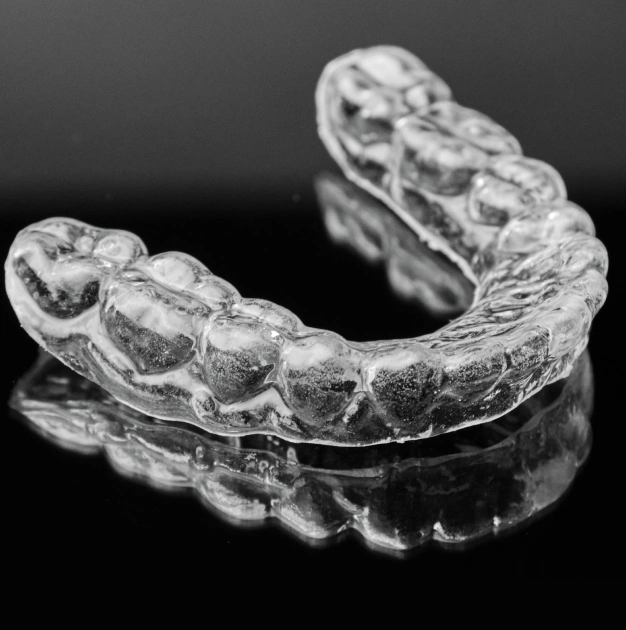
If you’ve ever woken up with a sore jaw, tooth pain, or a headache, then you know the struggle of sleep bruxism (teeth grinding). Because it happens in your sleep, stopping it can be very difficult, but one way to protect your teeth from the damaging effects of grinding is to wear a custom night guard.
Bruxism is more common than most people realize, and many patients are completely unaware they grind their teeth until a partner mentions it or Dr. Brittain spots the telltale signs of wear during a routine exam. Left unaddressed, chronic grinding can wear down enamel, crack teeth, strain the jaw joints, and lead to increasingly painful symptoms that affect your quality of life well beyond the dentist's chair. The sooner it is identified and managed, the easier it is to protect your smile from long-term damage.
How a Night Guard Helps
Wearing a night guard provides a cushioning effect so that your upper and lower teeth can’t wear away at each other. It protects your teeth from external damage caused by grinding, such as chipping and erosion. However, it is not a cure for a grinding habit, and as long as the grinding continues, some symptoms such as jaw pain may not change.
A custom-fitted night guard from Dentistry of Old Town Scottsdale is far more effective than an over-the-counter alternative because it is made from impressions of your actual teeth, ensuring a precise fit that stays in place throughout the night without causing additional jaw discomfort. Many patients find that wearing a night guard improves their overall sleep quality by reducing the tension they carry in their jaw muscles overnight.
Signs You May Have Bruxism
Because grinding happens during sleep, many patients do not know they have bruxism until the symptoms become noticeable. Common warning signs to watch for include:
- Worn, flattened, or chipped teeth — One of the most visible signs that Dr. Brittain will look for during a routine exam.
- Increased tooth sensitivity — As enamel wears down from repeated grinding, teeth become more reactive to hot, cold, and sweet foods and drinks.
- Jaw soreness or stiffness — Waking up with a tight, aching jaw is one of the most commonly reported symptoms of nighttime bruxism.
- Frequent morning headaches — The muscle tension generated by grinding overnight often manifests as a dull headache upon waking.
- Disrupted sleep — In some cases, the sound of grinding is loud enough to wake a partner, or the discomfort itself can cause restless, unrestorative sleep.
How Do I Get My Night Guard
If you think you have sleep bruxism, don’t wait for the symptoms to worsen; call 480-719-6994 or email us to schedule an appointment, and Dr. Brittain can determine the right solution for you and fit you for your custom night guard. We can also discuss other methods of reducing your grinding symptoms, such as lowering stress levels. We look forward to seeing you!
Frequently Asked Questions
What are occlusal night guards used for?
An occlusal night guard is a custom dental appliance worn while sleeping to protect teeth from grinding (bruxism) and clenching, helping prevent enamel damage and jaw strain.Who needs a night guard?
People who clench or grind their teeth, experience jaw pain, or wake up with headaches or tooth sensitivity may benefit from a custom night guard.Are custom night guards better than store-bought ones?
Yes, custom night guards fit more comfortably and provide better protection because they are made specifically for your teeth by a dentist.How long do occlusal night guards last?
With proper care, most custom night guards last between 3 and 5 years, depending on the severity of grinding and usage habits.How do I clean my night guard properly?
Rinse it after each use, brush it gently with a soft toothbrush, and store it in a ventilated case to keep it clean and odor-free.How does a night guard help with teeth grinding?
It creates a protective barrier between upper and lower teeth, reducing pressure, preventing enamel wear, and easing stress on jaw muscles.