7449 East Osborn Road #4 Scottsdale, Arizona 85251
In the realm of restorative dentistry, dental bridges, and dental crowns are two vital solutions used to address various dental issues. While both serve to enhance dental function and aesthetics, they differ significantly in their applications, structures, and purposes. Understanding the disparities between these two dental treatments can help patients make informed decisions about their oral health care. In this blog, we delve into the nuances of dental bridges and dental crowns to illuminate their differences, benefits, and suitable applications.
Dental Crowns: The Versatile Protective Caps
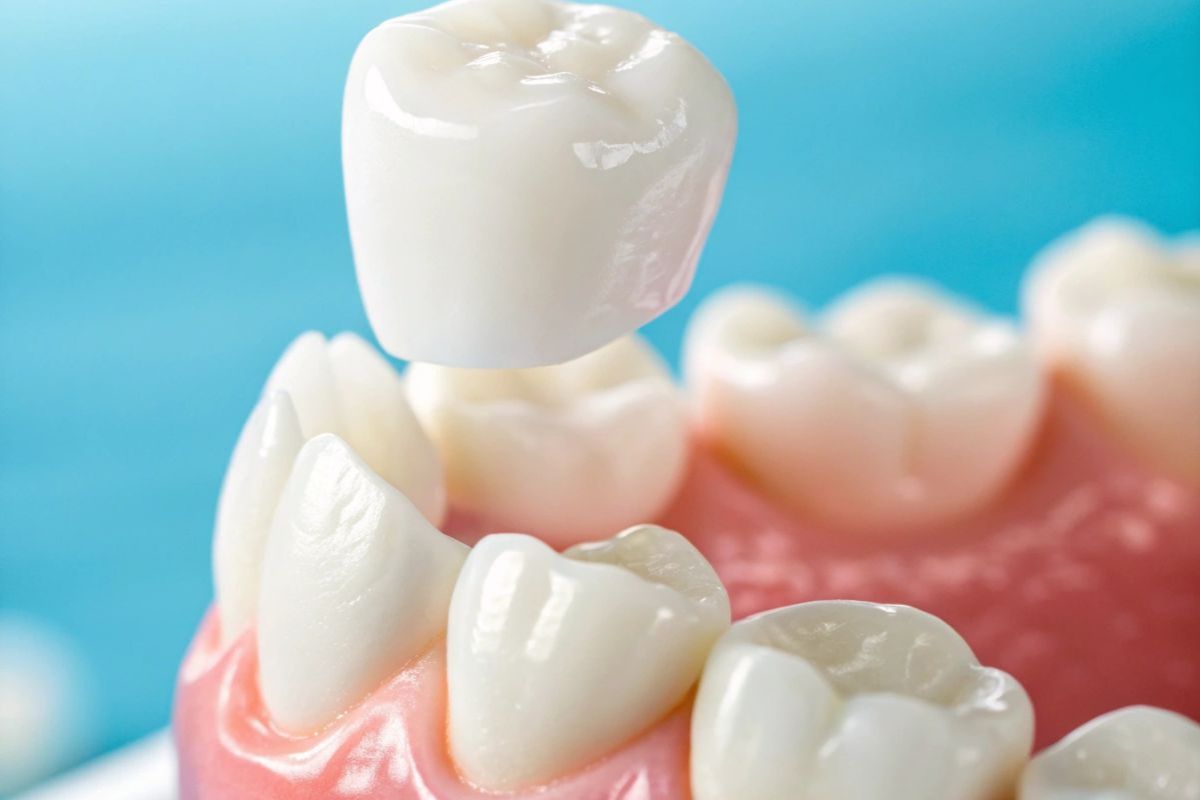
Dental crowns, also known as caps, are custom-made prosthetic devices designed to encase and cover damaged, weak, or misshapen teeth. Crafted from materials such as porcelain, ceramic, metal alloys, or a combination of these materials, dental crowns aim to restore the strength, function, and appearance of a tooth. Here are some key characteristics and applications of dental crowns:
Protection and Strengthening: Dental crowns are utilized to protect and strengthen weakened teeth that have undergone extensive decay, fractures, or large fillings. By encapsulating the tooth entirely, crowns provide structural support and prevent further damage.
Cosmetic Enhancement: Beyond structural reinforcement, dental crowns also serve cosmetic purposes by improving the appearance of discolored, misaligned, or irregularly shaped teeth. With advancements in dental technology, crowns can be customized to match the color, shape, and texture of natural teeth seamlessly.
Restoration of Dental Implants: Dental crowns play a pivotal role in restoring dental implants. They are affixed onto the implant abutment, serving as the visible, functional component of the implant-supported restoration.
Dental Bridges: Bridging the Gaps for Dental Harmony
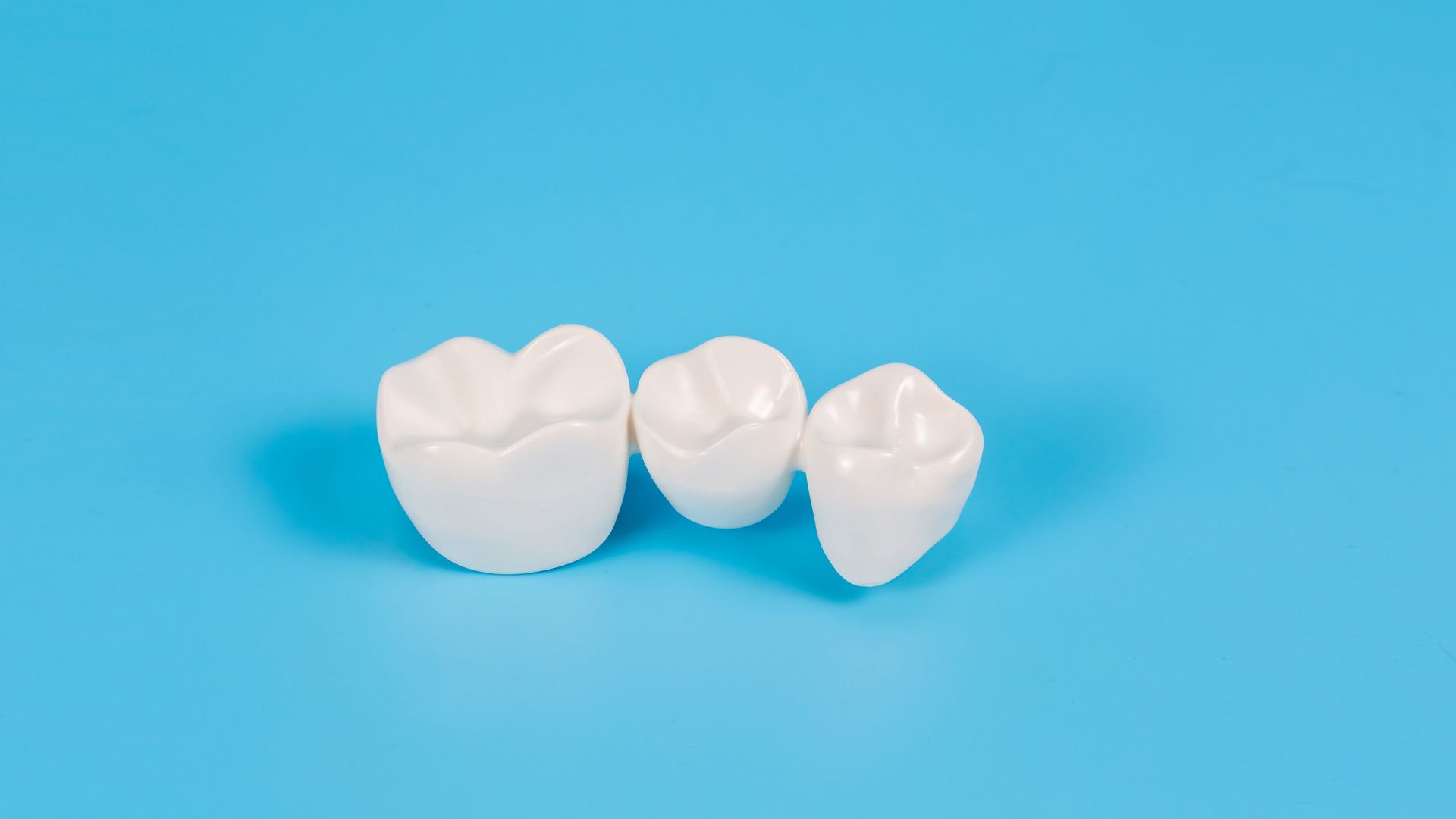
Unlike dental crowns that focus on individual teeth, dental bridges are prosthetic devices used to replace one or more missing teeth by bridging the gap between adjacent teeth. Dental bridges consist of artificial teeth, known as pontics, anchored in place by dental crowns affixed to the adjacent natural teeth or dental implants. Here are the distinguishing features and applications of dental bridges:
Tooth Replacement: Dental bridges are an effective solution for replacing missing teeth, restoring dental functionality, and preventing the shifting of surrounding teeth. By filling the gap left by missing teeth, bridges help maintain proper dental alignment and bite function.
Types of Bridges: Depending on the specific dental needs and oral conditions, different types of dental bridges may be recommended. Traditional bridges, cantilever bridges, and Maryland bridges are among the common bridge designs used in restorative dentistry.
Preservation of Oral Health: Beyond cosmetic enhancement, dental bridges contribute to the preservation of oral health by preventing the accumulation of plaque and bacteria in the gaps left by missing teeth. They also distribute the chewing forces evenly across adjacent teeth, reducing the risk of dental complications.
Dental bridges and crowns are indispensable components of restorative dentistry, each serving distinct purposes in addressing various dental issues. While dental crowns protect, strengthen, and enhance individual teeth, dental bridges replace missing teeth and restore dental harmony. Consulting with a qualified dentist is essential to determine the most suitable treatment option based on individual dental needs and preferences. Patients can make well-informed decisions to achieve optimal oral health and aesthetics by understanding the disparities between dental bridges and dental crowns.