7449 East Osborn Road #4 Scottsdale, Arizona 85251
Why Does My Dental Crown Hurt?

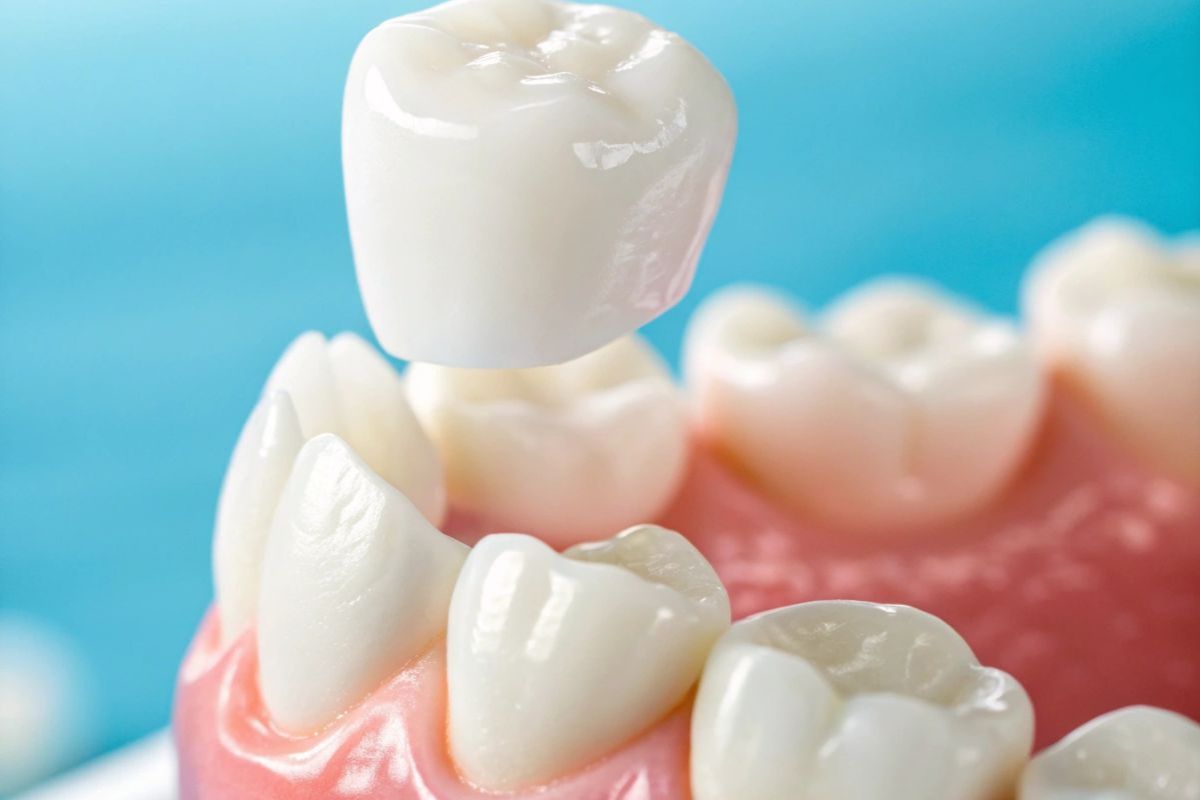
Dental crowns are designed to protect and restore damaged teeth, offering strength, function, and aesthetics. But what if your dental crown starts causing discomfort instead of relief? If you’re experiencing dental crown tooth pain, you’re not alone. Many patients report unexpected sensitivity, soreness, or even throbbing pain under or around their crowns. Understanding the causes behind this discomfort can help you know when it’s time to visit a dentist and what treatment options are available.
If you’re searching for trusted care, our Scottsdale team is here to explain why your crown might hurt and how to ease the discomfort effectively.
Common Reasons Behind Dental Crown Tooth Pain
Toothaches under a crown can have multiple sources. Here are the top causes of dental crown toothaches and what they might signal:
1. Tooth Decay Under the Crown
Even though a crown covers the tooth, decay can still develop beneath it—especially at the gumline where the crown meets your natural tooth.
- Bacteria can sneak in through tiny gaps.
- Poor oral hygiene may allow plaque to accumulate at the edges.
- Sugary or acidic diets can wear down the seal between the crown and tooth.
If decay is present, it can irritate the nerve or cause infection, resulting in pain. Our Scottsdale team can use X-rays to confirm decay and recommend crown replacement or root canal therapy if needed.
2. Improper Crown Fit or Bite Issues
A crown that’s too high or misaligned can throw off your bite, putting excess pressure on the crowned tooth and surrounding teeth. This leads to:
- Pain when chewing
- Jaw soreness
- Headaches or facial tension
In many cases, your dentist can simply adjust the crown’s height or shape to relieve the discomfort.
3. Nerve Irritation or Pulpitis
Sometimes, the process of placing a dental crown can irritate the dental pulp (the inner part of the tooth containing nerves and blood vessels). If this irritation becomes severe or turns into pulpitis (inflammation of the pulp), it can cause:
- Throbbing toothaches
- Pain with hot or cold foods
- Persistent soreness even when not eating
In severe cases, a root canal may be necessary before recrowning the tooth.
4. Gum Inflammation or Recession
Your gums play a big role in the comfort of your crown. When the gum tissue around your crown becomes inflamed, recedes, or gets infected, you might notice:
- Red, swollen, or bleeding gums
- Sensitivity around the base of the crown
- Pain when brushing or flossing
This could be due to poor oral hygiene, crown overhang, or irritation from cement used in placement. A professional cleaning and possibly a crown adjustment can help restore comfort.
Symptoms That Shouldn’t Be Ignored
When dealing with dental crown tooth pain, it’s essential to recognize warning signs that signal something more serious. Contact a dentist if you notice any of the following:
- Sharp, persistent pain under the crown
- Swelling around the crowned tooth
- Sensitivity to pressure, heat, or cold that doesn’t go away
- Visible cracks or damage on the crown
- A loose or wobbly crown
Ignoring these signs can lead to further complications, including infection or damage to adjacent teeth.
How Your Dentist Can Help
The good news? Most crown-related discomfort is treatable. At our dental practice in Scottsdale, we take a patient-first approach to diagnosing and resolving crown pain. Here’s how we help:
- Thorough Examination: Digital X-rays and bite assessments help pinpoint the cause of discomfort.
- Professional Cleaning: Sometimes, a deep clean around the crown can eliminate bacteria causing gum irritation.
- Crown Adjustment or Replacement: If your crown is ill-fitting or damaged, we can reshape, reseal, or remake it to improve function.
- Root Canal Treatment: For underlying nerve issues, root canal therapy may be recommended before placing a new crown.
Home Remedies to Ease Dental Crown Discomfort
While you’re waiting to visit a dentist near you, here are a few ways to manage discomfort at home:
- Use a soft-bristle toothbrush to avoid irritating the area.
- Avoid very hot or cold foods that may trigger pain.
- Rinse with warm saltwater to reduce inflammation.
- Take over-the-counter pain relievers like ibuprofen for temporary relief.
However, home remedies are not a substitute for professional care. If your symptoms persist for more than a couple of days, it’s best to book an appointment.
Preventing Dental Crown Pain in the Future
To keep your crowns comfortable and long-lasting, follow these simple steps:
- Maintain excellent oral hygiene with regular brushing and flossing.
- Avoid chewing hard foods like ice or popcorn kernels that can crack your crown.
- Wear a night guard if you grind your teeth.
- Schedule routine check-ups with your dentist to ensure your crowns stay in good shape.
Caring for your crowns is just as important as caring for your natural teeth. Prevention goes a long way in avoiding future pain or complications.
Get the Relief You Deserve from Crown Toothaches
Dental crown pain can be frustrating, especially when you expect your restoration to protect your tooth, not cause discomfort. Whether it’s due to poor fit, gum issues, or underlying decay, finding the root cause is key to relief. A visit to our trusted Scottsdale team ensures you’ll get an accurate diagnosis and a personalized solution.
Don’t ignore dental crown toothaches—they’re your body’s way of telling you something’s not quite right. If your crown is bothering you, let our team help restore your comfort and confidence in your smile. Book an appointment and take the first step toward pain-free dental care!