7449 East Osborn Road #4 Scottsdale, Arizona 85251
If you’re looking to improve your oral health and enhance the functionality of your teeth, then dental crowns might be just what you need. Dental crowns are a popular solution for various dental issues, offering both aesthetic and functional benefits. Whether you have a damaged tooth or simply want to enhance the appearance of your smile, dental crowns can work wonders. In this article, we’ll explore what dental crowns are, how they can improve your oral health and function, the different types available, and how to choose the right one for you. So let’s dive in and discover how dental crowns can transform your smile!
What are dental crowns?
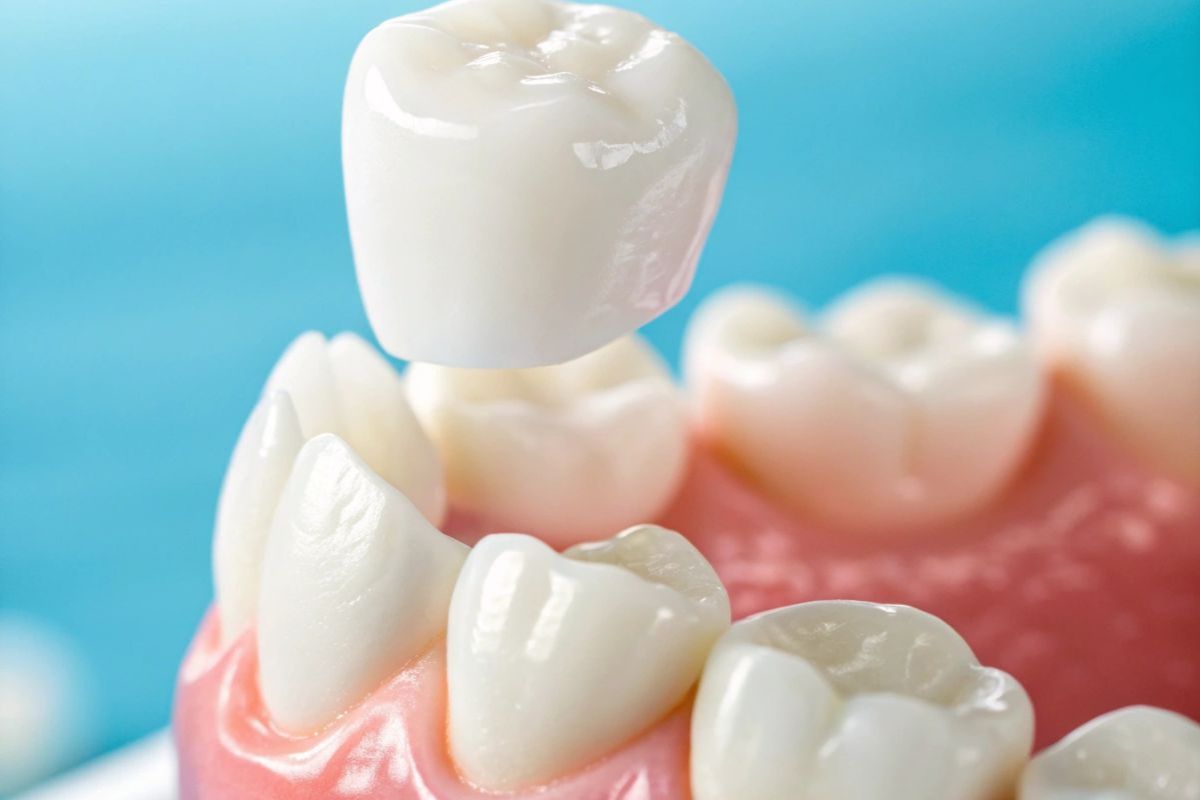
Dental crowns, also known as dental caps or tooth caps, are custom-made prosthetic devices that are placed over damaged or decayed teeth. They essentially cover the entire visible portion of a tooth to restore its shape, size, strength, and appearance.
These crowns serve multiple purposes. They protect weak or cracked teeth from further damage by providing an extra layer of support. They can restore the functionality of a tooth that has been significantly damaged due to decay or trauma. With a crown in place, you’ll be able to bite and chew without discomfort and difficulty.
In terms of aesthetics, dental crowns can dramatically improve the appearance of your smile. Whether it’s covering up discolored or misshapen teeth or filling gaps between teeth for a more uniform look, dental crowns can give you the confidence to show off your pearly whites.
The process typically involves several steps: initial examination and preparation of the affected tooth, taking impressions for creating a customized crown in a dental laboratory (which usually takes about 2 weeks), temporary crown placement if needed during this waiting period, and finally bonding the permanent crown onto your tooth using special adhesive cement.
Overall, dental crowns offer both functional and cosmetic benefits by restoring damaged teeth while maintaining their natural look. Now that we’ve covered what dental crowns are all about let’s explore how they can improve your oral health!
How can dental crowns improve your oral health and function?
Dental crowns, also known as caps, are versatile restorations that can greatly improve your oral health and function. These custom-made prosthetics are designed to cover damaged or weakened teeth, providing them with strength and protection.
One of the main ways dental crowns enhance your oral health is by preventing further damage to compromised teeth. When a tooth is cracked or has a large filling, it becomes more susceptible to decay and fractures. By placing a crown over the affected tooth, it acts like a shield, reducing the risk of additional problems.
Furthermore, dental crowns can restore the functionality of damaged teeth. If you have difficulty chewing due to broken or misaligned teeth, getting a crown can make eating much easier and more comfortable. Crowns provide stability and support to weak teeth while allowing for natural biting forces.
Additionally, dental crowns offer aesthetic benefits by improving the appearance of your smile. They can fix discoloration, reshape irregularly shaped teeth, close gaps between teeth, and even correct minor alignment issues.
Dental crowns play an essential role in maintaining good oral health by strengthening weakened teeth and restoring their functionality. Whether you need to repair damaged or decayed teeth or simply want to enhance your smile’s aesthetics – dental crowns are an excellent solution worth considering!
What are the different types of dental crowns?
When it comes to dental crowns, there are several different types available, each with its own unique set of benefits. One type is porcelain crowns, which are highly durable and natural-looking. These crowns can be customized to match the color and shape of your existing teeth, making them virtually indistinguishable from the real thing.
Another option is metal crowns, which are made from materials such as gold or silver alloy. While these may not blend in as seamlessly with your natural teeth, they offer exceptional strength and longevity. Metal crowns are often recommended for back teeth that need extra support due to their durability.
For those who prefer a combination of aesthetics and strength, porcelain-fused-to-metal (PFM) crowns could be the ideal choice. These restorations have a metal base for stability and a layer of tooth-colored porcelain on top for a more natural appearance.
Zirconia crowns have gained popularity in recent years due to their impressive strength and lifelike appearance. Made from zirconium oxide material, these crowns can withstand biting forces without chipping or cracking.
Your dentist will help you determine the right type of crown based on various factors such as location within your mouth, aesthetic preferences, budget considerations, and functional needs. It’s important to consult with your dentist so they can recommend the best option for you.
Remember that no matter which type of crown you choose, proper oral hygiene practices such as regular brushing and flossing remain crucial for maintaining good oral health even after getting a crown placed. So take care of your smile by exploring how dental crowns can improve both your oral health and overall function!
How to choose the right dental crown for you?
Choosing the right dental crown for your specific needs is an important decision that can impact your oral health and overall well-being. With various types of crowns available, it’s essential to consider several factors before making a choice.
You should discuss with your dentist about the materials used for dental crowns. Options include porcelain, metal alloy, ceramic, or a combination of these materials. Each has its advantages and considerations depending on factors such as durability, aesthetics, and cost.
Another crucial aspect to consider is the location of the tooth needing a crown. For teeth at the back of your mouth that endure significant chewing forces, stronger materials like metal alloys may be recommended. On the other hand, if it’s a front tooth visible when smiling, you may prefer a more natural-looking option such as porcelain or ceramic.
Next, take into account any existing allergies or sensitivities you have towards certain metals or materials commonly used in dental crowns. This information will help guide your dentist in selecting an appropriate crown that won’t cause adverse reactions.
Your budget is also an important consideration when choosing a dental crown. Costs can vary depending on material type and quality. Discussing pricing options with your dentist ahead of time will allow you to make an informed decision based on what fits within your budgetary constraints.
Don’t forget to factor in long-term maintenance requirements for different types of crowns. Some materials may require extra care or periodic replacement over time compared to others.
By considering these factors and having open communication with your dentist about your preferences and concerns regarding the dental crowns’ selection process ensures that you choose the best option for optimal oral health and function.
Dental crowns are an excellent option for improving both the health and function of your teeth. Whether you have a cracked tooth, a large filling that needs to be replaced, or simply want to enhance the appearance of your smile, dental crowns can provide a durable and natural-looking solution.
By protecting damaged teeth and restoring their shape and size, dental crowns can help prevent further decay or damage. They also play a crucial role in maintaining proper oral function by allowing you to chew and speak comfortably. Additionally, they can improve the overall aesthetics of your smile by covering up any imperfections.
When it comes to choosing the right dental crown for you, there are various options available depending on your specific needs and preferences. From porcelain crowns that closely resemble natural teeth to metal crowns known for their strength, discussing with your dentist will help determine which type is best suited for you.