7449 East Osborn Road #4 Scottsdale, Arizona 85251
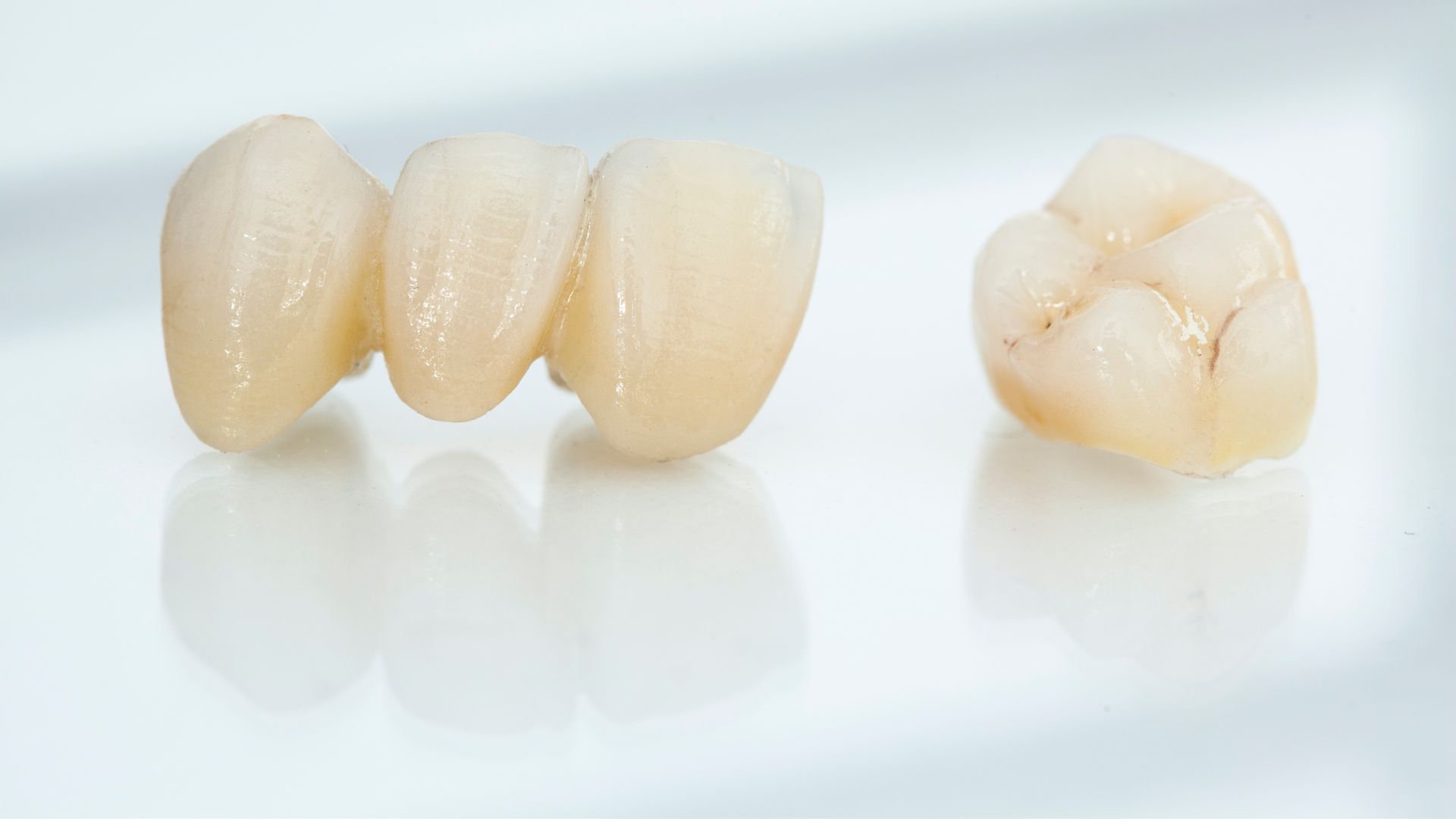
If you’re considering dental crowns, you might be wondering, “Do dental crowns hurt?” It’s a common concern among those exploring this popular dental treatment. Let’s break down everything you need to know about dental crowns, how they work, and what to expect during the process.
What Are Dental Crowns?
Dental crowns are caps in the shape of teeth that are placed over decayed or broken teeth. They help restore its shape, size, and strength while improving its appearance. If you have a tooth that’s been chipped, cracked, or badly worn, a crown can be an excellent solution. Porcelain crowns are particularly popular because they blend beautifully with your natural teeth, giving you a seamless smile.
Why Are Dental Crowns Needed?
You might be wondering why someone would need a dental crown in the first place. Here are a few reasons:
- To Protect Weak Teeth: If your tooth is weakened by decay or trauma, a crown can offer the necessary protection to keep it intact.
- To Restore Broken Teeth: A crown can rebuild a tooth that’s been severely worn down or broken, helping you regain function and confidence.
- To Cover Misshapen Teeth: Teeth with irregular shapes can be improved with crowns, giving your smile a more consistent appearance.
- After Root Canal Treatment: If you’ve had a root canal, a crown is often placed over the tooth to provide strength and support.
How are Crowns Placed?
Now that you know what crowns are and why they’re needed, let’s talk about how the process works. Here’s a step-by-step guide:
- Consultation: First, you’ll meet with your dentist to discuss your dental health. They’ll examine your teeth and determine if a crown is the right choice for you.
- Preparation: If you decide to go ahead, the next step is preparing your tooth. This may involve removing some of the tooth’s surface to ensure the crown fits snugly. Don’t worry; your dentist will numb the area with local anesthesia to minimize discomfort.
- Impressions: Once your tooth is prepared, your dentist will take impressions to create a custom crown that perfectly fits your mouth. This step ensures that your new crown feels comfortable and looks natural.
- Temporary Crown: While you wait for your permanent crown, a temporary crown will be placed over your tooth. This protects the area and helps you eat and speak normally.
- Final Placement: When your permanent crown is ready, you’ll return to the office. Your dentist will remove the temporary crown and carefully place the new one, making any necessary adjustments for a perfect fit.
Does Getting a Dental Crown Hurt?
Let’s get to the burning question: does getting a dental crown hurt? The majority of people only express mild discomfort throughout the procedure. Here’s what you can expect:
- Numbing: Thanks to local anesthesia, you shouldn’t feel any pain while your dentist works on your tooth. The numbing medication helps ensure you’re comfortable throughout the procedure.
- Pressure Sensation: You may feel some pressure as the dentist shapes your tooth and places the crown, but this shouldn’t be painful. Think of it as your mouth being a little busy!
- Post-Procedure Sensitivity: After getting your crown, it’s normal to experience some sensitivity for a few days. This usually goes away quickly, but if it lingers, don’t hesitate to reach out to your dentist.
Easy Recovery Tips After a Crown
After you’ve had your crown placed, you can usually go about your day as normal. However, here are some tips to help you recover smoothly:
- Avoid Hard Foods: For the first few days, stick to softer foods to give your new crown time to settle in. This can help minimize discomfort and avoid damaging the crown.
- Maintain Oral Hygiene: Keep brushing and flossing as usual, but be gentle around the crown. Keeping the area clean is essential for good oral health.
- Watch for Pain: If you experience pain that doesn’t go away or worsens, contact your dentist for advice.
The Benefits of Porcelain Crowns
Porcelain crowns offer several advantages that make them a great choice for many patients:
- Natural Appearance: They look just like your natural teeth, making them an excellent choice for anyone concerned about aesthetics. For front teeth, appearance is especially important.
- Durability: Porcelain crowns are designed to last many years with proper care. They’re strong and resilient, perfect for daily use.
- Stain Resistance: Unlike some other materials, porcelain crowns resist staining, helping you maintain a bright, beautiful smile over time.
If you’re considering dental crowns in Scottsdale, porcelain crowns can provide the perfect blend of beauty and durability.
Simple Aftercare Tips for Long-Lasting Crowns
Once you have your crown in place, it’s essential to care for it properly to ensure it lasts. Here are some straightforward aftercare tips:
- Regular Dental Visits: Don’t skip your regular check-ups! Your dentist will monitor your crown and overall oral health, ensuring everything stays in tip-top shape.
- Good Oral Hygiene: Brushing twice a day is a must. This practice will help prevent decay around the crown and keep your gums healthy.
- Avoid Bad Habits: Try not to use your teeth as tools. Biting nails or opening packages with your teeth can stress your crown and lead to damage.
Dental crowns can be a fantastic solution for various dental issues, helping you achieve a healthier and more beautiful smile. While the process involves some preparation, most patients find it manageable and worth the effort. If you have questions about how dental crowns can improve your smile or want to explore options like veneers, go for the trusted cosmetic dentistry in Scottsdale today. They will help you decide the best options tailored to your needs.