7449 East Osborn Road #4 Scottsdale, Arizona 85251

When you’re living with a heart condition, even a simple dental procedure like a tooth extraction can raise serious concerns. Many patients ask, “Is tooth extraction safe for heart patients?” And the answer is—yes, but with some important precautions. At Dentistry of Old Town Scottsdale, we care about both your smile and your heart, so it’s essential to understand how dental care intersects with cardiovascular health.
Heart disease is not uncommon, and as people age, the chances of needing dental extractions increase, too. Whether you’ve had a heart attack, open-heart surgery, or are living with heart failure, this blog will walk you through everything you need to know to safely manage a tooth extraction with a heart condition.
The Link Between Heart Health and Dental Work
Your mouth and your heart are more connected than most people realize. Infections from untreated dental issues can spread to other parts of the body—including the heart. That’s why timely dental care, including extractions when necessary, is crucial for cardiac patients.
But there’s a flip side, too: Tooth extraction and heart disease must be handled cautiously. Some common concerns include:
-
Risk of bacterial endocarditis, especially in those with artificial valves or past valve infections
-
Sensitivity to anesthesia dental para pacientes cardíacos
-
Potential complications from blood thinners
-
Stress from dental visits triggering heart attack symptoms
Knowing these risks means your dentist can take preventive steps to keep you safe.
Key Considerations Before Extraction
If you’re a heart patient, you should never undergo any dental procedure without discussing your condition with both your dentist and cardiologist. Here are key safety checkpoints your care team will evaluate:
1. Medical History Review
Make sure your dentist is aware of any:
-
Past heart attacks
-
Stent placements
-
Heart valve surgeries
-
Irregular heartbeat or arrhythmias
-
Medications such as anticoagulants or beta-blockers
Your dental team will adjust its approach based on this information.
2. Blood Thinners and Bleeding Risk
Many heart patients are prescribed blood thinners to prevent clots. However, these drugs can increase the risk of bleeding during a tooth extraction. It’s not always necessary to stop them—but your dentist will likely coordinate with your cardiologist to find the safest plan.
3. Antibiotic Prophylaxis
If you’ve had open-heart surgery or heart valve replacement, you may require preventive antibiotics before the procedure. This helps avoid the risk of infection traveling from your mouth to your heart.
4. Stress and Anxiety Management
Stress during dental visits can elevate heart rate and blood pressure. Dentists often use techniques like:
-
Nitrous oxide for mild sedation
-
Shorter, more comfortable sessions
-
Calm, relaxing environments
-
Monitoring vitals throughout the procedure
Tooth Extraction After Major Heart Events
Recovering from major heart events like open-heart surgery or a heart attack changes how and when you should receive dental care.
- After Open-Heart Surgery
It’s typically recommended to wait at least 6 months post-surgery before undergoing non-urgent dental extractions. Healing takes time, and the immune system needs to stabilize. However, if the dental issue is causing infection or pain, the timeline may be shortened under careful medical supervision.
- After a Heart Attack
For patients who recently experienced a heart attack, elective dental procedures are usually postponed for 6 months to 1 year. Emergency dental care can be provided sooner, but only with cardiac clearance.
How Scottsdale Dentists Keep Heart Patients Safe
If you’re searching for a dentist in Scottsdale who understands the complexities of cardiac conditions, choose our team that prioritizes safety. At Dentistry of Old Town Scottsdale, we follow a customized plan for heart patients, including:
-
Pre-procedure consultation with your cardiologist
-
Vital signs monitoring during treatment
-
Adjusted anesthetic protocols for anesthesia dental para pacientes cardíacos
-
Immediate emergency readiness if complications arise
We’ve worked with many patients needing tooth extraction after heart valve surgery, ensuring they get the care they need—without compromising their cardiac health.
When to Avoid or Delay Tooth Extraction
There are times when even a necessary dental extraction must be delayed:
-
If you’re currently unstable or hospitalized for cardiac issues
-
If your INR (for patients on warfarin) is too high
-
If you’ve had a recent stroke or heart attack without clearance
-
If an active infection is present without antibiotics
Delaying a dental procedure doesn’t mean neglecting it. Your dentist will often prescribe medications to manage the issue temporarily until it’s safe to proceed.
What to Expect During and After the Procedure
Before the Procedure
Your dentist will ensure:
-
Pre-medications (if needed) are taken
-
A stress-free environment is maintained
-
Any allergies or sensitivities are reviewed
During Extraction
Expect:
-
Careful administration of anesthesia
-
Close monitoring of heart rate, blood pressure, and oxygen
-
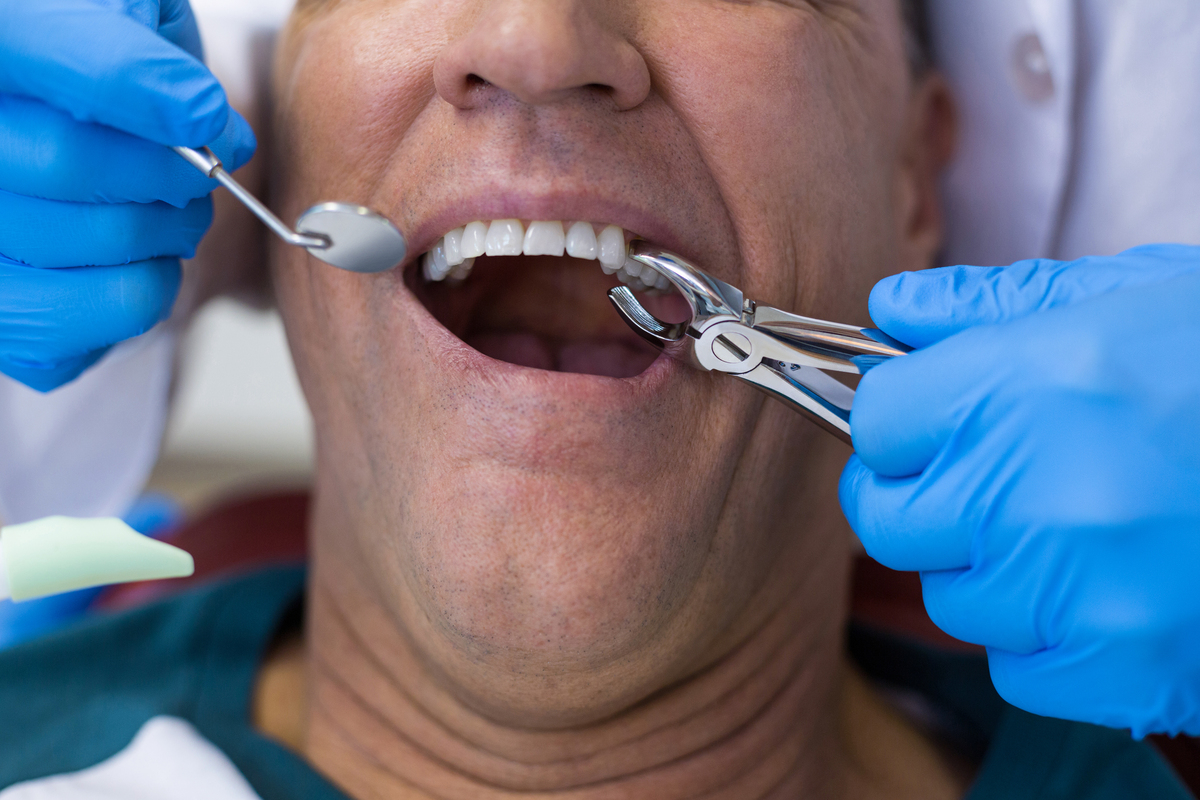
Gentle, swift removal of the tooth with minimal trauma
Aftercare Tips
Recovery for heart patients may require special attention:
-
Continue taking cardiac medications unless told otherwise
-
Avoid over-the-counter painkillers that may interfere with heart drugs
-
Use cold compresses for swelling
-
Stick to soft foods and avoid straws or vigorous rinsing
Call your dentist if you notice excessive bleeding, fever, or signs of infection.
If you or a loved one has heart disease and needs a tooth extraction, don’t put it off out of fear. Proper planning, medical coordination, and experienced care make the process safe and manageable. Talk to your dentist and your cardiologist—together, they’ll help you take the next step with confidence.