7449 East Osborn Road #4 Scottsdale, Arizona 85251
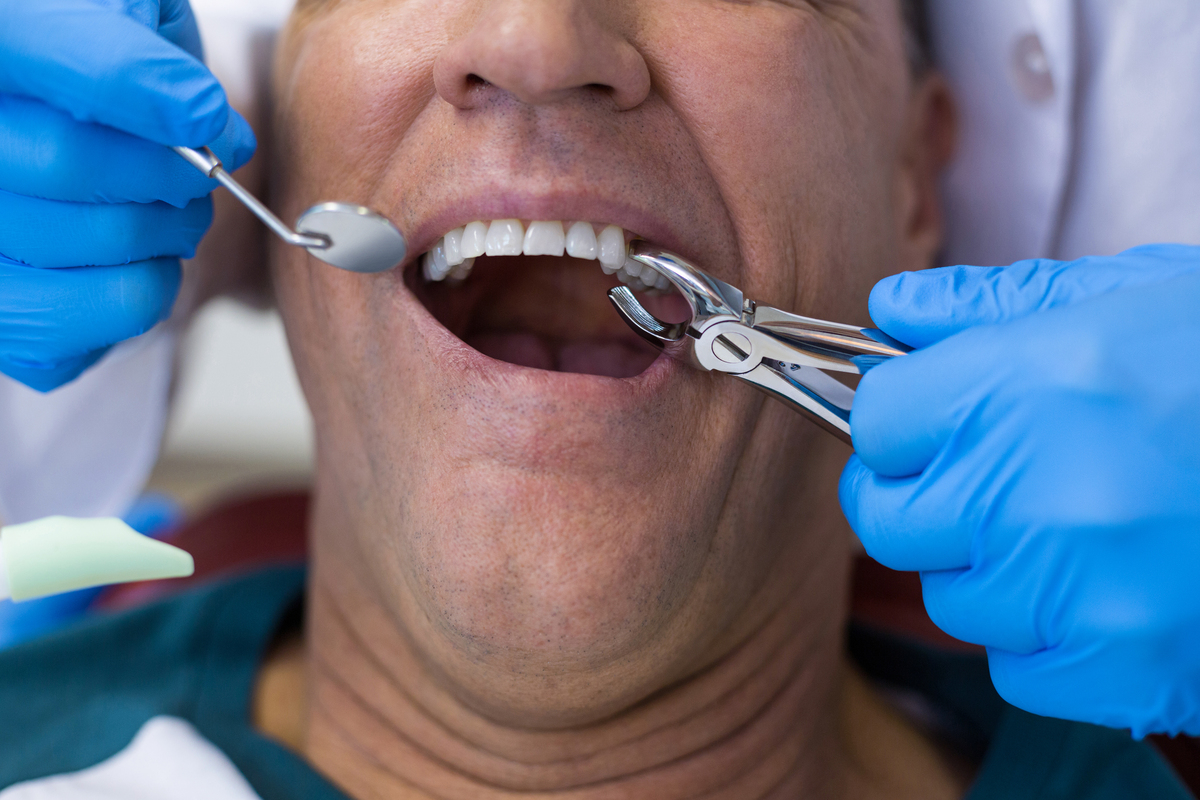
Getting a tooth extracted can feel overwhelming, not just because of the procedure itself but also due to the recovery period that follows. One of the most common concerns patients have is: “When can I eat normally after tooth extraction?” If you’re asking this question, you’re not alone. Eating the wrong foods too soon can delay healing or even cause painful complications, such as dry socket.
At Dentistry of Old Town Scottsdale, our team often hears this concern from patients. That’s why we’ve put together this easy-to-read guide on eating after an extraction, including timelines, safe food choices, and what to avoid.
The First 24 Hours: Why Extra Caution Matters
Right after your tooth extraction, your mouth is in its most delicate healing stage. The blood clot that forms in the socket is essential for proper recovery, and any disruption to it can lead to severe discomfort.
During this period, follow these key tips:
-
Stick to soft, cool foods like yogurt, pudding, smoothies, or applesauce.
-
Avoid chewing near the extraction site.
-
Do not use straws—sucking can dislodge the clot.
-
Stay away from hot foods and drinks that can irritate the wound.
Think of the first day as your body’s reset button—it’s all about rest and protection, not about resuming your usual diet.
2 to 3 Days After Extraction: Introducing More Variety
By the second or third day, you may feel like your mouth is healing, but it’s important not to rush. You can slowly add more foods while still prioritizing soft textures.
Some safe options include:
-
Mashed potatoes
-
Oatmeal or cream of wheat
-
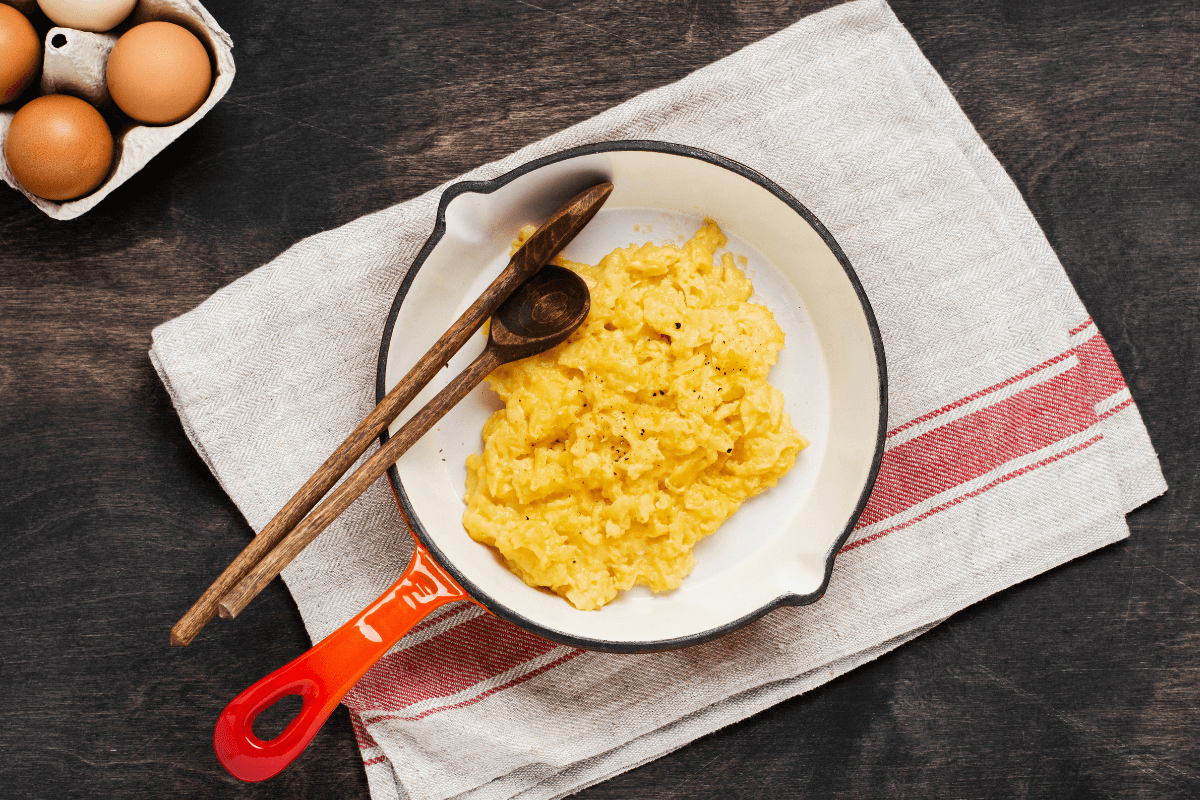
Scrambled eggs
-
Soups (lukewarm, not hot)
-
Soft pasta
At this stage, you might wonder: “How long after a tooth extraction can I eat normally?” While it varies by patient, most people still need to wait before diving back into crunchy, spicy, or chewy meals.
4 to 7 Days After Tooth Extraction: Gradual Progress
Around day four, many patients notice reduced swelling and less discomfort. This is when you can carefully add foods that require minimal chewing.
Good choices include:
-
Soft fish like salmon or tilapia
-
Cooked vegetables that are easy to chew
-
Rice or soft noodles
-
Pancakes or soft bread (avoid crusts)
However, be mindful of foods that can easily get stuck in the healing area, such as seeds, nuts, or popcorn. Even though you’re feeling better, your extraction site is still sensitive.
One Week and Beyond: Returning to a Normal Diet
By 7 days after tooth extraction, most patients can gradually return to their normal diet. Still, full healing can take several weeks, depending on the complexity of the extraction and your body’s healing process.
-
If it were a simple extraction, you might be able to eat normally in about a week.
-
If it were a surgical extraction, such as wisdom teeth removal, it may take 2 weeks or more before you can chew without restrictions.
If you’re unsure, our Scottsdale dentist will provide personalized advice during your follow-up appointment. Always listen to your body—if chewing causes pain, it’s too soon to return to regular eating.
Foods to Avoid After Tooth Extraction
Even as you heal, some foods can put your recovery at risk. Avoid these until your dentist gives the green light:
-
Crunchy snacks like chips, popcorn, or nuts
-
Sticky foods like caramel or chewing gum
-
Spicy or acidic foods that may irritate the site
-
Carbonated or alcoholic beverages
-
Very hot foods and drinks
Tips to Speed Up Recovery
Aside from diet, these simple practices can make healing smoother:
-
Rinse gently with warm salt water after 24 hours.
-
Keep your head elevated while resting.
-
Avoid smoking or vaping, as they delay healing.
-
Follow all aftercare instructions from your dentist.
FAQs
How long after tooth extraction can I eat normally?
Most patients can resume a normal diet within 7–14 days, depending on the complexity of the procedure.
When can I start eating normally after a tooth extraction?
Usually after the first week, but stick to soft foods until your dentist confirms it’s safe.
What foods can I eat 2–3 days after extraction?
Mashed potatoes, scrambled eggs, oatmeal, soft pasta, and smoothies are ideal choices.
When can I eat after a tooth extraction?
You can eat soft, cool foods within a few hours of your procedure, but avoid chewing near the extraction site for at least 24 hours.
What is the best diet after tooth extraction?
A diet of soft, nutrient-rich foods that don’t require much chewing helps speed recovery and minimize irritation.
Is it safe to eat meat after a tooth extraction?
Tender meats like fish or shredded chicken can usually be added after 4–5 days, but avoid tough or chewy cuts until healing improves.
7 days after tooth extraction, can I eat normally?
Yes, many patients can return to a regular diet by day seven, though some may need more time based on their healing process.
Final Thoughts: A Safe Return to Eating Normally
So, when can you eat normally after a tooth extraction? The answer depends on your healing speed and the type of extraction, but most patients return to regular meals within 7–14 days. Until then, stick to soft, gentle foods that won’t disrupt your recovery.
At our dental practice in Scottsdale, we prioritize your comfort and long-term dental health. If you’re looking for a reliable dentist in Scottsdale, AZ, our team is here to provide expert care, from routine checkups to extractions and beyond. With the right guidance, you’ll be back to enjoying your favorite meals safely in no time.