7449 East Osborn Road #4 Scottsdale, Arizona 85251
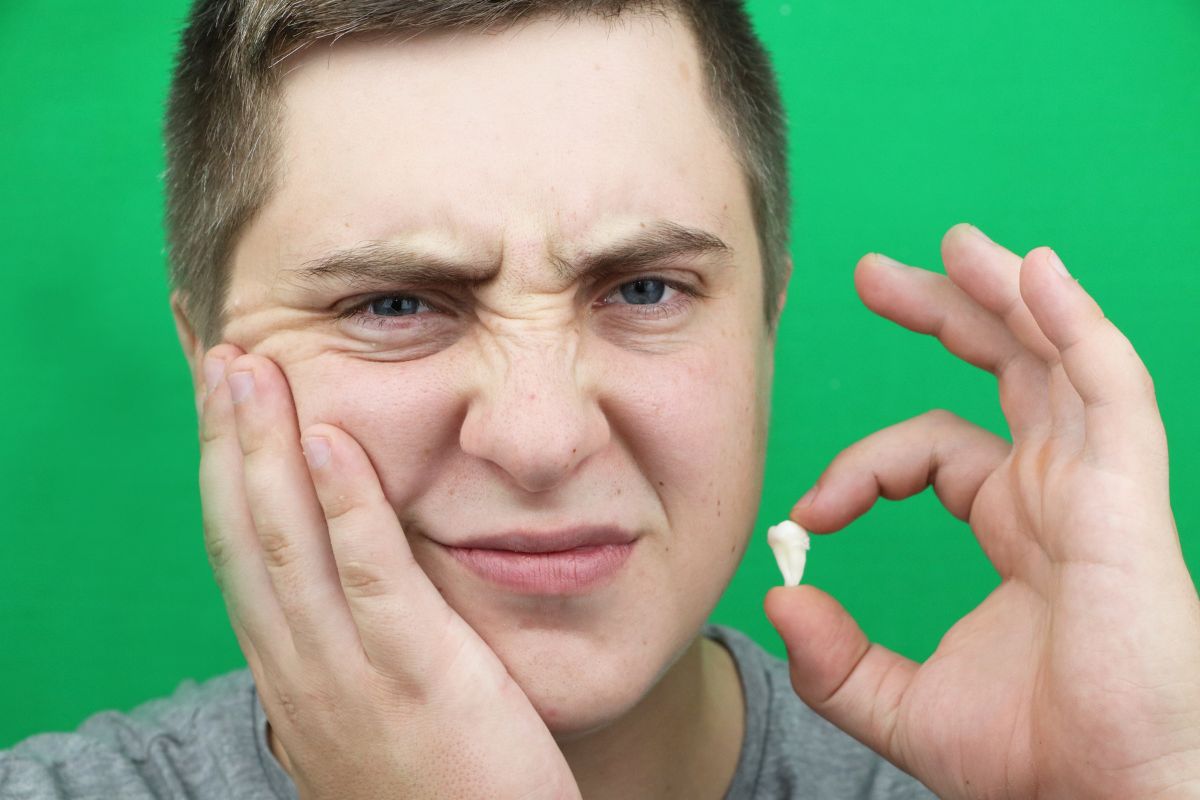
So you just had your wisdom teeth out, and your friends are already texting spicy-meme videos. Before you dive into that vindaloo or extra-hot salsa, let’s walk through what actually happens in your mouth after extraction — and why a jalapeño now might feel like a bad life choice. I’ll explain the healing timeline, the real risks (yes—dry socket is a real horror story), what the data say about how common complications are, and a safe, practical timeline for reintroducing spice. Ready? Let’s go.
What happens after a wisdom tooth is removed (quick primer)
When a tooth is taken out, your body forms a blood clot in the empty socket. That clot is essential: it protects exposed bone and nerve endings while tissue heals. Healing happens in stages — soft tissue usually begins closing in days to a couple of weeks, while bone remodeling continues for months. If that clot gets dislodged or dissolves too fast, you can develop alveolar osteitis (dry socket) — a painful complication.
Why spicy food is a concern
Spicy foods (think hot peppers, heavy chili sauces, pungent curries) can cause two main problems during early healing:
- Irritation and increased pain — capsaicin and acidic components may irritate raw gum tissue and make pain feel worse.
- Risk of disturbing the clot — while spice itself doesn’t directly “pull out” a clot, eating textured or irritating foods can make you chew or rinse aggressively, increasing the risk of clot disruption and, in turn, dry socket. Oral surgeons and post-op care guides commonly list “spicy foods” among items to avoid during the early healing period.
How common is the complication you’re trying to avoid?
- For routine dental extractions, dry socket incidence is typically reported between about 0.5% and 5.6%. For surgical removal of impacted third molars (most wisdom tooth removals), rates reported in the literature are substantially higher — some studies report rates of 20–30% in certain high-risk groups or types of surgical extraction. (Typical overall figures for third-molar surgery cluster lower in many modern series — around 4–15% depending on technique and risk factors.)
Translation: it’s not guaranteed you’ll get a dry socket, but wisdom-teeth surgery has a higher baseline risk than a simple front-tooth extraction — so being cautious helps lower that risk.
Evidence-based timeline — when is it safe to eat spicy food again?
There’s no single universal rule (everyone heals a bit differently), but the recommendations below combine clinical guidance and observed healing stages:
First 24–72 hours (do not eat spicy foods)
This is the window when the clot is most vulnerable. Avoid spicy, hot (temperature), acidic, crunchy, or chewy foods; stick to cold or lukewarm soft foods (yogurt, smoothies without straws, applesauce, mashed potatoes). Avoid straws and smoking.
Days 4–7 (still avoid spicy; start gentle progression if healing well)
Many clinicians let patients try mildly seasoned, soft foods if there’s no swelling, infection, or pain. But heavy/fiery spice is still not recommended.
1–2 weeks (gradual reintroduction for most people)
If your socket looks/feels like it’s closing, pain is minimal, and you have no signs of infection or dry socket, you can slowly reintroduce mildly spicy foods — start with small amounts and avoid grinding/chewing on the extraction side. Full return to regular diet often occurs by 2 weeks for uncomplicated cases.
>2 weeks (usually safe for most)
By two weeks, most soft tissues have healed enough that a regular diet — including spicier foods — is tolerated by most patients, though bone remodeling continues for longer. If you had a complicated extraction, stitches, or infection, check with your surgeon first.
Who should be extra cautious?
- Smokers (smoking raises dry-socket risk substantially).
- People on oral contraceptives (some studies show increased risk).
- Patients with complex/surgical extractions (impacted lower third molars).
- Poor oral hygiene or uncontrolled systemic conditions (e.g., diabetes).
If you fall into any of the above groups, err on the side of a more extended spice-free period and follow your dentist/oral surgeon’s advice.
Practical tips for reintroducing spice safely
- Wait at least 1 whole week before even trying mildly spicy foods; wait 2 weeks if you had a surgical extraction or feel any tenderness.
- Start with small, mild doses (e.g., a little black pepper or mild salsa), and avoid crunchy hot chips or anything that requires vigorous chewing.
- Avoid hot temperatures (piping-hot soup) even when not spicy — heat can increase bleeding/irritation.
- Don’t use straws for the first week (suction can dislodge the clot).
- If you feel a sudden, worsening pain 1–4 days after surgery, contact your qualified dentist in Scottsdale — that’s the classic timing for dry socket.
Quick checklist before you eat spicy food again
- No throbbing pain at the extraction site?
- No visible swelling, bad taste, or exposed bone?
- You’re not a heavy smoker, and you followed post-op instructions?
If you can truthfully check those boxes, try a tiny, mild portion and see how your mouth reacts. Stop immediately if it burns or the pain increases.
Conclusion
Short version: Don’t eat spicy food for at least the first 3 days, preferably avoid it for 7–14 days, and in many cases, waiting two weeks is the safer bet — especially after surgical or complicated wisdom tooth removal. Spicy food won’t magically cause a dry socket on its own. Still, it can irritate healing tissue and encourage behaviors (vigorous chewing, rinsing, suction) that increase the risk of clot disruption. Because dry sockets are painful and more common after wisdom tooth surgery, being cautious for the first one to two weeks significantly reduces your risk. When in doubt, check with the oral surgeon who treated you — they know your case best.
FAQs
1. How soon can I eat Mexican food/Indian curry after wisdom tooth extraction?
Aim for 7–14 days before reintroducing those dishes, and start very mildly (a small portion, low heat). If you had a harrowing extraction, bump that to the longer end and get your surgeon’s OK.
2. Will a little spice actually cause a dry socket?
A little spice alone is unlikely to cause a dry socket directly — the main issue is irritation and actions (suction, rough chewing) that may dislodge the protective clot. But because spicy food can irritate and prompt problematic behaviors, it’s recommended to avoid it early on.
3. I had swelling and pain for 4 days — can I try spicy food now?
No — persistent pain or swelling is a sign your site is not fully healed (or could be infected or/dry socket). See your dentist before reintroducing spicy foods.
4. Are there any spices that are safer to try first?
Milder seasonings (black pepper in tiny amounts, tiny amounts of paprika) are gentler than capsaicin-heavy chilies. Prefer soft, non-acidic, lukewarm foods as you reintroduce flavor.
5 . If I follow instructions (no straws, no smoking), how much does that reduce my risk?
Following standard aftercare (avoiding straws, not smoking, gentle rinsing, soft diet) significantly reduces the risk of dry socket compared with not following those instructions. Exact reductions vary by study and patient risk factors, but adherence to post-op care consistently lowers complications.
6. Can I eat spicy chips (like Takis or Hot Cheetos) if I suck on them first?
No. This is actually worse than eating spicy soup. The spicy powder on chips is highly concentrated and abrasive. Not only can the spice chemically burn the wound, but the sharp crumbs can easily lodge in the socket, leading to infection. Avoid crunchy, spicy snacks for at least 2 weeks.
7. What should I do if I accidentally eat something spicy and it hurts?
Rinse your mouth gently with cool water or a lukewarm saltwater solution (do not swish vigorously). This helps neutralize the capsaicin and wash away irritants. If the pain persists or throbs, take an over-the-counter pain reliever (like Ibuprofen) and switch back to a bland, liquid diet for 24 hours.
8 . Does spicy food cause infection after extraction?
Directly? No, bacteria cause infection. However, spicy food can trigger inflammation, weakening your local immune response. Furthermore, food particles from spices (such as chili flakes or seeds) can become trapped in the socket, creating a breeding ground for bacteria.
9. Is Wasabi safe to eat after wisdom teeth removal?
Wasabi creates a different chemical reaction than chili peppers (it stimulates the nasal passages more than the tongue), but it is still a powerful irritant. It causes sudden, sharp intakes of breath and sinus clearing, which can disturb the blood clot. It is best to avoid wasabi for the first week.
10. I feel fine on Day 4. Can I cheat?
It is risky. You may feel fine because the surface nerves are less sensitive, but the socket is still open. “Cheating” with spicy food can trigger delayed inflammation, causing your jaw to swell up again just as it was starting to go down. It is better to wait the whole 7 days.