7449 East Osborn Road #4 Scottsdale, Arizona 85251
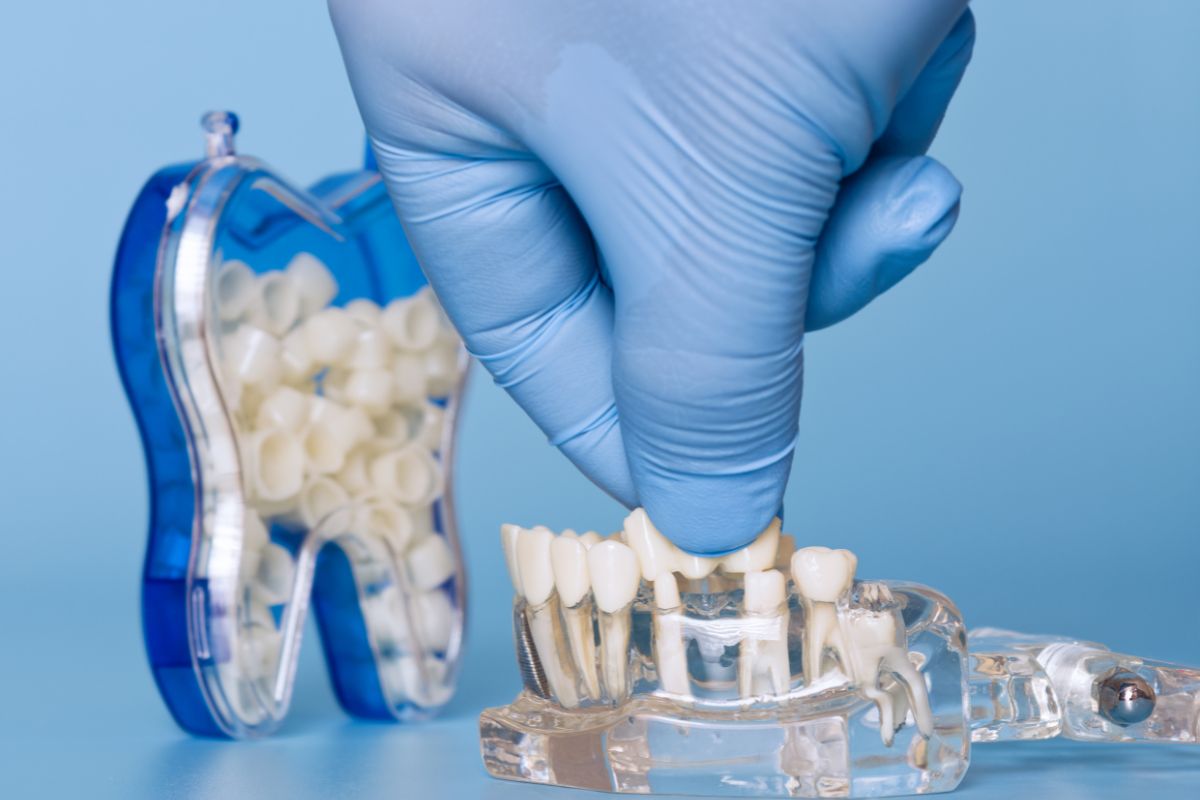
Ever walked out of the dentist’s office with a brand-new crown and immediately wondered, “Wait, what can I actually eat right now?”
If you’ve recently invested in a dental crown—whether it’s for a tooth that was fractured, heavily decayed, or weakened by a root canal—you’re not alone. Protecting that new restoration is crucial, especially in the first few days. A single-unit crown can last 5 to 15 years or even longer with proper care, but early failure, often caused by mechanical or biological factors, is a real risk that can be minimized with a smart diet.
So, let’s talk food. Here is your definitive guide to the foods that will help protect your crown and those that pose a threat, ensuring your investment lasts.
Quick science & stats you should know.
- Survival/longevity of crowns: Different crown materials show different 10-year survival rates — metal crowns perform best in long studies (≈68% survival at 10 years) while all-porcelain crowns show lower 10-year survival (~48% in a large study). Individual results depend on material, tooth position, bite forces (e.g., bruxism), and oral hygiene.
- Sensitivity after crown placement: Approximately 10–20% of patients report some sensitivity following crown preparation and placement; most cases are mild and improve within a few weeks. If sensitivity persists or is severe, contact your dentist.
- Temporary vs permanent crowns: Temporary crowns are much more fragile; treat them like an “under-construction” tooth for the first 1–2 weeks. Permanent crowns are stronger but still not indestructible.
When you can eat (practical timing)
- Immediately after the appointment, wait until the numbness wears off before eating. If you have a permanent crown cemented, many dentists advise waiting ~30–60 minutes to let the cement tack/set. For temporary crowns, avoid chewing on that side for at least 24 hours.
Best foods to eat after getting a dental crown
Choose soft, nutrient-dense options that don’t require vigorous chewing:
- Soups & broths (lukewarm, not piping hot) — easy, comforting, and hydrating.
- Mashed potatoes, mashed sweet potatoes, polenta — gentle on the bite.
- Yogurt, pudding, applesauce, smoothies (no seeds) — soft and cold (if not too sensitive).
- Scrambled eggs, soft fish (cod, salmon), tofu — protein without heavy chewing.
- Oatmeal, well-cooked pasta, soft bananas, avocado — satisfying and safe if chewed gently.
Tip: Cut thicker foods into small pieces and chew on the opposite side while your mouth adjusts. For the first 24–48 hours, avoid chewing directly on the crowned tooth when possible.
The “Crown-Risk” Foods: What to Avoid
The wrong foods can lead to one of the most common causes of early crown failure: dislodgement (the crown falling off) or fracture (the crown cracking).
Here are the textures and food types that put your crown at risk:
Hard and Crunchy Foods
Biting down on hard items can subject the crown to excessive, concentrated force, potentially leading to chips or cracks. While materials like monolithic zirconia are extremely tough, mechanical failure is a significant contributor to overall crown failure rates, as noted in one academic study, which reported a rate of 9.6% in their patient population.
- Nuts (almonds, peanuts, etc.)
- Ice (do not chew!)
- Hard candies or brittle chocolates
- Popcorn (kernels can get wedged and apply pressure)
- Raw, crunchy vegetables (carrots, celery)
- Hard-crust breads or bagels
Sticky and Chewy Foods
Sticky foods are a primary threat to temporary crowns, which are held on with weaker, temporary cement. The adhesive nature of these foods can literally pull the crown right off the prepared tooth.
- Caramel and taffy
- Chewing gum
- Dried fruits (raisins, dates)
- Gummy candies (gummy bears, jelly beans)
- Tough, chewy meats (like some cuts of steak or jerky)
Sugary and Acidic Foods (Long-Term Risk)
While your crown itself is not susceptible to decay, the underlying natural tooth and the margins where the crown meets the gum line are still vulnerable to cavities (known as recurrent caries).
- Sodas and Sports Drinks are high in sugar and acid, which erode the enamel surrounding the dental crowns in Scottsdale.
- Excessive sweets: Simple carbohydrates and sugars feed the bacteria that cause decay at the crown margins. One analysis indicated that frequent consumption of simple carbohydrates is “significantly associated with increased dental caries risk”.
- Citrus fruits (for the first few sensitive days).
How to protect your crown — practical aftercare
- Don’t floss aggressively near the crown for 24–48 hours after cementation — slide the floss out rather than yanking it up if needed.
- Brush twice daily and use an interdental cleaner or gentle floss technique to avoid decay at crown margins.
- A night guard is recommended if you grind your teeth — bruxism increases the risk of crown failure. A qualified dentist in Scottsdale can prescribe a guard. Studies show bruxism is linked to higher crown failure rates.
- Report persistent pain, looseness, or a change in bite — early repair/recementing prevents more complex problems.
The Bottom Line
A dental crown is a major step in restoring your oral health. Your eating habits in the immediate aftermath, as well as in the long term, play a key role in its success.
- First 24-48 Hours (Especially with a Temporary Crown): Stick strictly to soft, lukewarm foods and chew on the opposite side of your mouth.
- Permanent Crown: Once the anesthetic wears off and your permanent crown is securely seated, you can gradually resume your normal diet. However, it is essential to permanently avoid chewing ice and hard candy, and exercise caution with overly sticky or crunchy foods to ensure the long-term survival of your crown.
Always follow the specific instructions provided by your dentist, as they are best equipped to understand the material and fit of your crown.
Frequently Asked Questions (FAQs)
- How long should I eat soft foods after getting a dental crown?
For a temporary crown, it’s generally advised to stick to soft foods and chew on the opposite side until your permanent crown is placed. For a permanent crown, most patients can return to a normal diet gradually within 24 to 72 hours once the anesthesia has worn off and the cement has fully set, provided there is no lingering sensitivity or pain.
- Can I chew gum with a dental crown?
You should never chew gum with a temporary crown, as the stickiness can easily dislodge it. With a permanent crown, moderate chewing of sugar-free gum is generally acceptable; however, excessive gum chewing should be limited, as it can put unnecessary stress on any dental restoration over time.
- Is it okay to drink hot coffee or cold beverages?
In the first few days, your crowned tooth may be sensitive to temperature extremes. Avoid very hot coffee or icy cold beverages until this sensitivity subsides. For cold drinks, you can try using a straw to bypass the sensitive area.
- What if my crown falls off?
If your temporary or permanent crown falls off, contact your dentist immediately. Keep the crown safe and clean. Your dentist will advise you on the next steps, which may include using temporary dental cement (available at most pharmacies) to reseat the crown until you can visit their office.
- Can a tooth with a crown still get a cavity?
Yes. The crown itself cannot decay, but the natural tooth structure underneath the crown and around its margins (where the crown meets the gumline) is still susceptible to recurrent decay. Maintaining excellent oral hygiene—brushing twice daily and flossing once a day—is crucial to protect the natural tooth and gum tissue that support the crown.