
7449 East Osborn Road #4 Scottsdale, Arizona 85251
If you’ve been considering getting veneers, or if you’re simply curious about their longevity, then this article is for you. In this post, we’ll delve into the world of veneers and answer the burning question: Are veneers permanent? So let’s get started and discover everything you need to know about these remarkable dental enhancements!
What are Veneers?
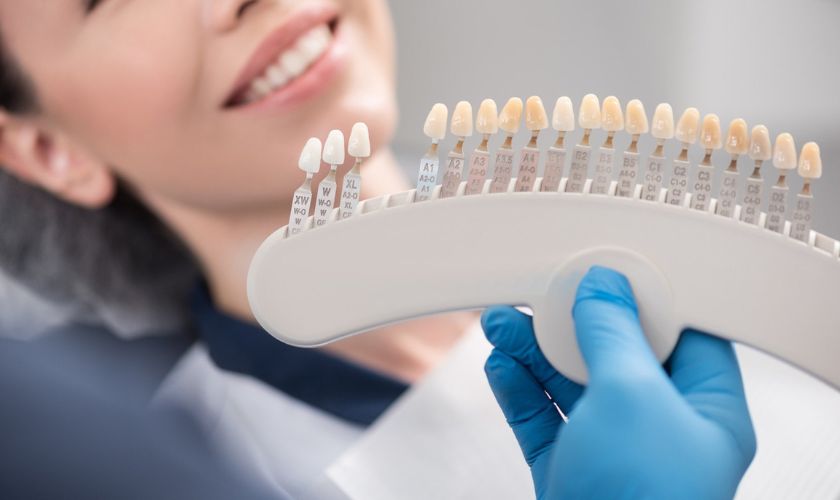
Veneers are a popular cosmetic dental treatment that can transform your smile. They are wafer-thin shells made from porcelain or composite resin that are custom-made to fit over the front surface of your teeth. Veneers are designed to improve the appearance of teeth that have chips, cracks, stains, or other imperfections.
One of the main benefits of veneers is their ability to create a natural-looking and uniform smile. The material used for veneers closely resembles the color and translucency of natural tooth enamel, giving you a seamless result. Additionally, veneers can also be customized in terms of shape and size to enhance your overall facial aesthetics.
The process of getting veneers typically involves multiple visits to your dentist. During the initial consultation, your dentist will assess your oral health and discuss with you whether veneers are suitable for you. If they determine that you’re a good candidate for this treatment, they will then prepare your teeth by removing a small amount of enamel before taking impressions.
These impressions will be sent to a dental lab where skilled technicians will craft your custom-made veneers. Once ready, your dentist will bond them onto the prepared surfaces of your teeth using special cement and light curing technology.
Veneers offer an effective solution for enhancing the appearance of damaged or discolored teeth. Their natural look and customizable features make them an appealing option for those seeking smile transformations. However, it’s important to consult with an experienced dentist who can guide you through the process and ensure long-lasting results.
The Process of Getting Veneers
The process of getting veneers is a multi-step journey that starts with an initial consultation and ends with a transformed smile. Before diving into the procedure, it’s important to understand what veneers are and how they can benefit your teeth.
Veneers are thin shells made from porcelain or composite resin that are custom-made to fit over the front surface of your teeth. They can be used to correct various dental issues such as discoloration, gaps, chips, and misalignment. Veneers not only enhance the appearance of your teeth but also provide strength and durability.
The first step in getting veneers involves consulting with a cosmetic dentist who will evaluate your oral health and determine if you’re a suitable candidate for the procedure. If you’re eligible, the next step is preparing your teeth for veneer placement.
To prepare your teeth, a small amount of enamel is removed from the front surface so that when the veneer is applied, it aligns perfectly with adjacent teeth. This ensures a seamless integration between natural teeth and veneers.
After tooth preparation, impressions or digital scans are taken to create custom-made veneers that match your desired shape, size, and color. These impressions are sent to a dental laboratory where skilled technicians fabricate your personalized set of veneers.
Once the final restorations have been received from the lab (which usually takes about 1-2 weeks), it’s time for bonding them onto your prepared teeth. The dentist carefully places each individual veneer using special bonding agents which securely adhere them in place.
After ensuring proper fit and alignment, any excess material is trimmed off before polishing up those pearly whites! Your new smile should look natural yet stunningly flawless—ready to make heads turn wherever you go!
The Bottom Line
Veneers are a popular and effective solution for achieving a beautiful smile. They are thin shells made of porcelain or composite resin that are custom-made to fit over your existing teeth. Veneers can address various dental issues such as discoloration, crookedness, gaps, and chips.
The process of getting veneers involves several steps, including consultation, preparation of the teeth, taking impressions, and finally bonding the veneers onto the teeth. It is important to note that while veneers can greatly enhance the appearance of your smile and provide long-lasting results with proper care and maintenance, they may need to be replaced at some point in the future.
Veneers are not considered permanent because they will eventually wear down or become damaged over time. However, with good oral hygiene practices such as regular brushing and flossing along with routine visits to your dentist for check-ups and cleanings, you can prolong the lifespan of your veneers.
If you are considering getting veneers or have questions about their longevity or maintenance requirements, it is best to consult with a qualified cosmetic dentist who can provide personalized advice based on your specific needs.