7449 East Osborn Road #4 Scottsdale, Arizona 85251
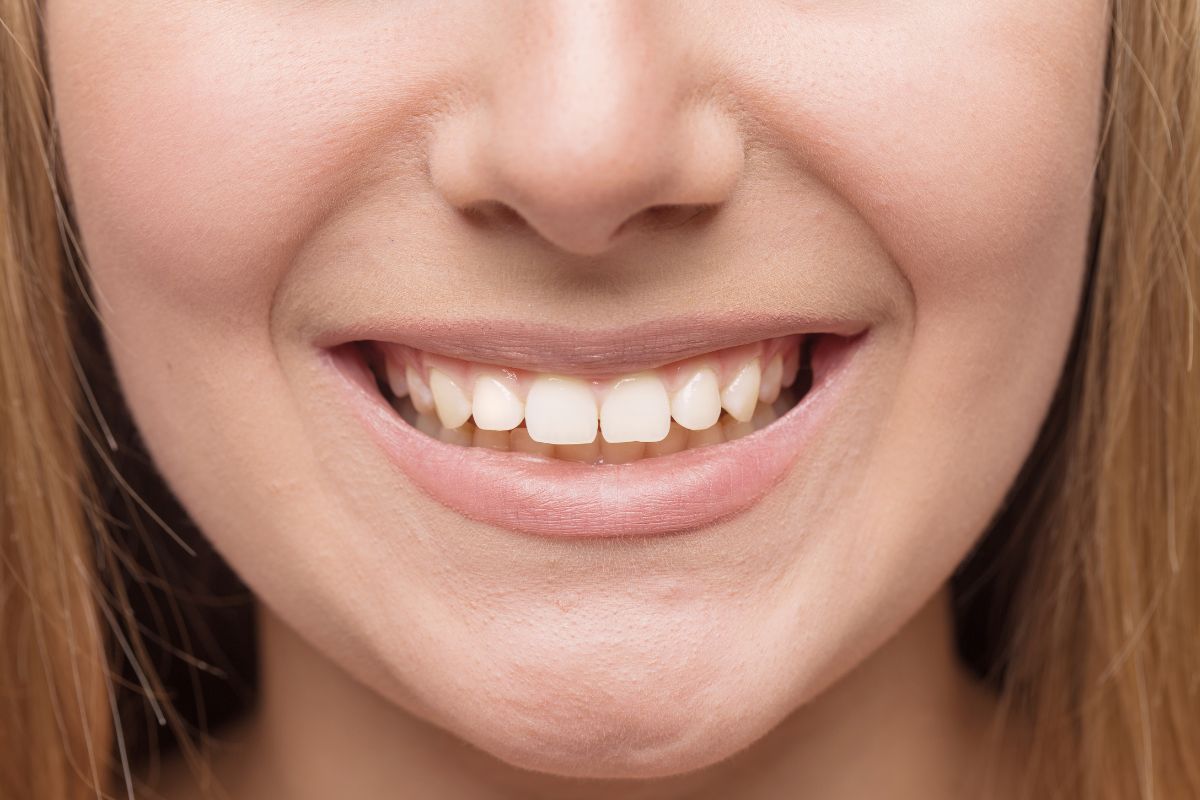
A noticeable gap between your front teeth can make you feel uncomfortable when you smile or take pictures. For adults and parents in Scottsdale, understanding the available cosmetic treatments can make choosing dental care easier.
At Dentistry of Old Town Scottsdale, Dr. Brittain helps patients address unwanted spacing and improve their smiles. If you are consulting a Scottsdale, AZ dentist about gaps between teeth, porcelain veneers may offer a natural-looking solution without orthodontic treatment in suitable cases.
Can s Fix Gaps Between Teeth?
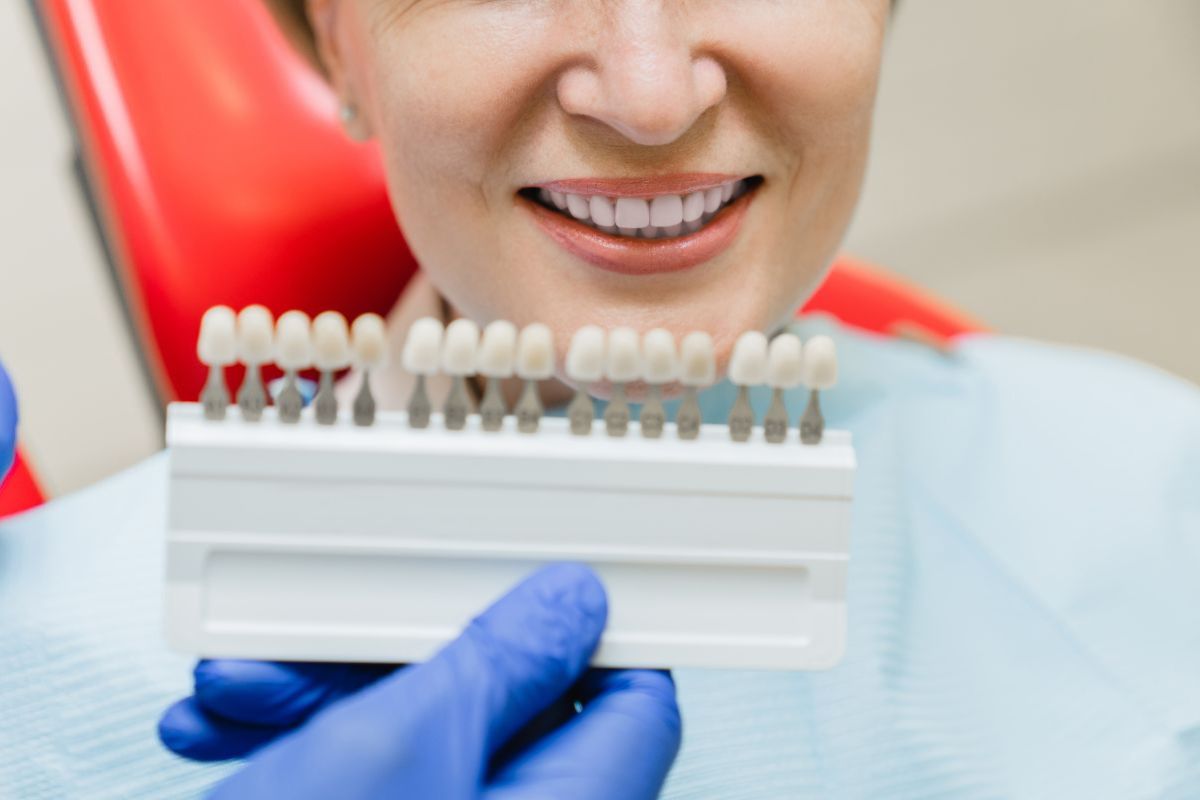
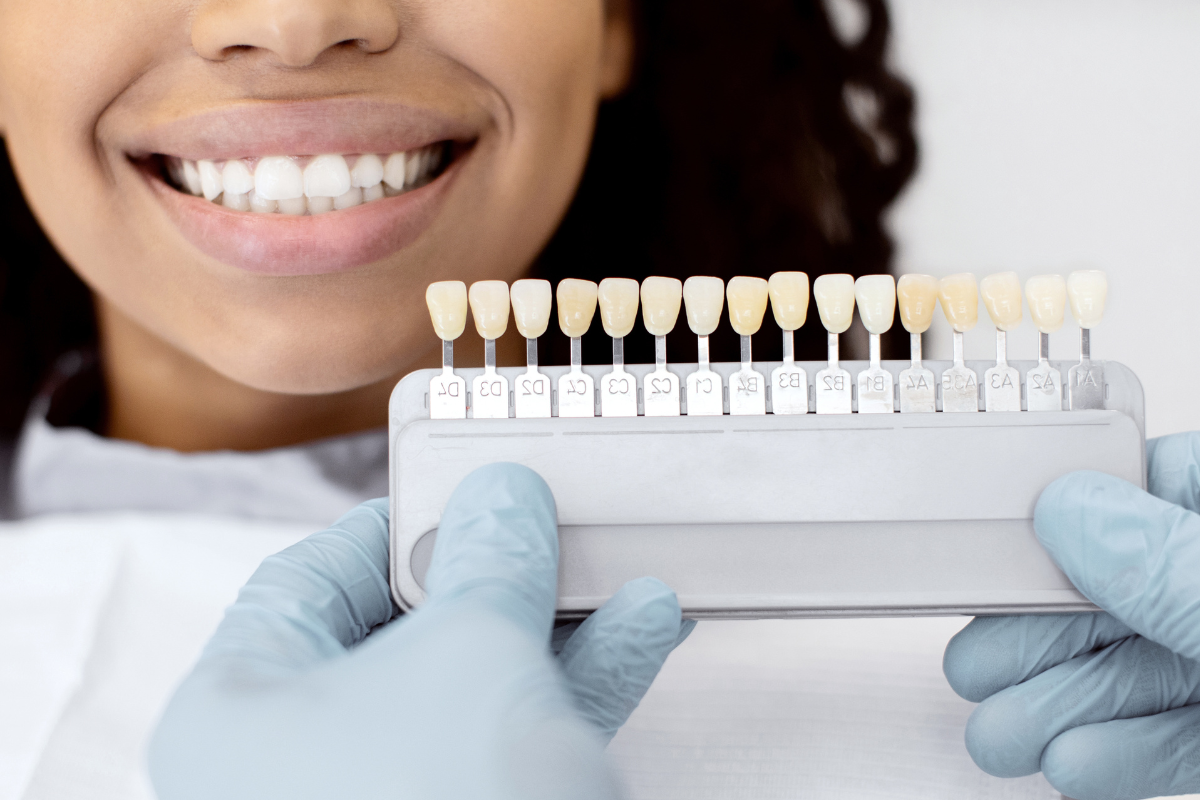
Yes, veneers can close small to moderate gaps between teeth by changing their visible width and shape. These thin, custom-made porcelain shells attach to the front surfaces of natural teeth, creating a more uniform appearance.
Unlike braces or clear aligners, this cosmetic treatment does not physically move teeth. Instead, it changes their visible proportions to conceal unwanted spacing.
This approach can be particularly useful when the teeth are otherwise healthy and properly positioned.
However, larger gaps or significant bite problems may require orthodontic treatment before cosmetic restoration.
Why Do Gaps Develop Between Teeth?
Clinically, a space between two adjacent teeth is called a diastema. Understanding its cause helps determine the appropriate treatment.
Common causes include:
- Genetics: Naturally smaller teeth or differences in jaw size can create spaces.
- Missing teeth: Neighboring teeth may shift when a tooth is lost.
- Gum disease: Loss of supporting bone can cause teeth to move apart.
- Tongue pressure: Persistent tongue thrusting may contribute to spacing.
- Oversized labial frenum: Tissue connecting the upper lip and gums may contribute to a front-tooth gap.
Not every gap requires treatment. However, newly developing or widening spaces should be evaluated, particularly when accompanied by bleeding gums or tooth mobility.
What Types of Tooth Gaps Can Porcelain Restorations Correct?
Porcelain restorations can improve several spacing concerns.
Small Gaps Between Front Teeth
Minor spaces between the upper front teeth can often be concealed by slightly widening their visible surfaces.
Uneven Spacing Across Multiple Teeth
When several teeth have irregular spaces, custom restorations can create a more balanced appearance.
Gaps Caused by Small or Narrow Teeth
Some patients have naturally undersized teeth, including peg-shaped lateral incisors.
Adding proportionate width can reduce visible spacing without repositioning the teeth.
When This Treatment May Not Be Suitable
Significant crowding, severe bite discrepancies, active periodontal disease, or unusually wide gaps may require alternative treatment.
A clinical evaluation is necessary to avoid creating oversized teeth or difficult-to-clean contact areas.
How Does the Treatment Process Work?
Patients considering veneers in Scottsdale can generally expect two to three dental visits.
Step 1: Consultation and Smile Assessment
Your dentist examines tooth spacing, gum health, bite alignment, and enamel condition.
The consultation also sets realistic expectations for the final appearance.
Step 2: Tooth Preparation
A small amount of enamel is typically removed to accommodate the porcelain shells.
Because enamel removal is generally irreversible, the procedure requires careful planning.
Step 3: Impressions and Custom Fabrication
Detailed impressions capture tooth dimensions and spacing.
A dental laboratory creates restorations that complement the surrounding teeth.
Temporary coverings may be placed while the permanent restorations are prepared.
Step 4: Final Placement
The completed shells are bonded to the prepared teeth.
Your dentist checks their fit, bite contacts, and appearance before making final adjustments.
Porcelain Restorations vs. Bonding vs. Clear Aligners
Several cosmetic dentistry treatments can address unwanted tooth spacing.
| Treatment | How It Works | Common Use |
| Porcelain shells | Conceal gaps by changing tooth shape | Small to moderate spaces |
| Dental bonding | Adds tooth-colored composite resin | Minor gaps and irregular edges |
| Clear aligners | Gradually reposition teeth | Spacing associated with alignment problems |
Bonding generally involves less tooth preparation but may require more frequent maintenance.
Clear aligners move teeth rather than covering them, making them appropriate for certain alignment and bite concerns.
How Long Do Porcelain Veneers Last?
With appropriate care, porcelain restorations commonly last 10 to 15 years or longer. Their longevity depends on oral hygiene, bite forces, and daily habits.
To protect your results:
- Brush twice daily using fluoride toothpaste.
- Floss carefully around restored teeth.
- Avoid chewing ice or other hard objects.
- Attend routine dental examinations.
- Discuss a night guard if you grind your teeth.
Natural teeth can still develop decay around restoration margins, making preventive dental care essential.
Close the Gap and Rediscover Your Confidence
A gap between your teeth does not have to define your smile. Modern cosmetic dentistry offers ways to improve tooth proportions, conceal unwanted spacing, and create a more balanced appearance.
If you are considering veneers, our dental team can evaluate your teeth and explain whether porcelain restorations can achieve your desired results.
Call 480-719-6994 to book an appointment at our Scottsdale dental office. Discover how a personalized smile consultation can help you take the next step toward greater confidence.
Frequently Asked Questions
1. Can Porcelain Restorations Close a Large Gap?
They can conceal some larger spaces, but the final tooth proportions must remain natural. Excessive widening may affect appearance and make cleaning harder. A dental examination can determine whether cosmetic restoration or orthodontic treatment is more appropriate.
2. Will My Teeth Look Natural After Closing the Gap?
Custom porcelain shells are designed to complement your existing tooth color, shape, and proportions. Our dentist considers facial symmetry and neighboring teeth during planning. A consultation can help you understand the appearance that may be achievable.
3. Is the Procedure Painful?
Most patients tolerate the procedure comfortably, and local anesthesia can be used during preparation. Temporary sensitivity may occur afterward. Our dental team can explain comfort measures and what to expect throughout treatment.
4. Can the Gap Reappear After Treatment?
The restored space generally remains concealed as long as the restorations stay intact. However, gum disease, tooth movement, or damage can affect the result. Regular examinations help identify changes and protect your investment.
5. Can I Get This Treatment if I Have Gum Disease?
We should evaluate and treat active gum disease before elective cosmetic procedures. Healthy gums support predictable restoration margins and appearance. Our dentist can recommend periodontal care before discussing cosmetic improvements.
6. How Many Teeth Need Treatment to Close a Gap?
The number depends on the space’s location and width. Sometimes two neighboring teeth are sufficient, while multiple restorations may improve overall symmetry. A smile assessment can help determine the right treatment plan.