7449 East Osborn Road #4 Scottsdale, Arizona 85251

Are you considering veneers for a brighter, more confident smile? With their ability to improve the appearance of teeth by covering imperfections, veneers are a popular choice. However, many potential patients often wonder: ‘Do veneers damage teeth?‘ It’s essential to understand the facts before making a decision. In this article, we’ll dive into the details, exploring how veneers work, if they can harm your natural teeth, and what you can expect if you choose to get veneers.
What Are Veneers and How Do They Work?
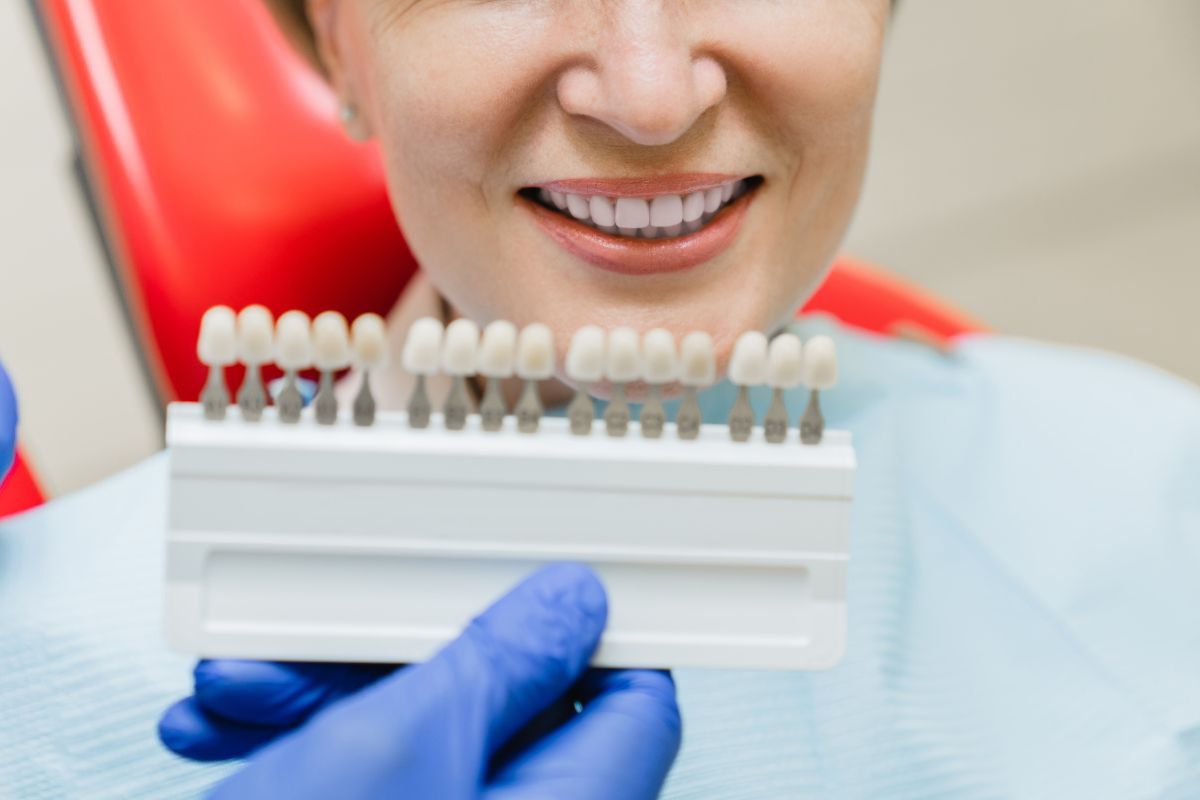
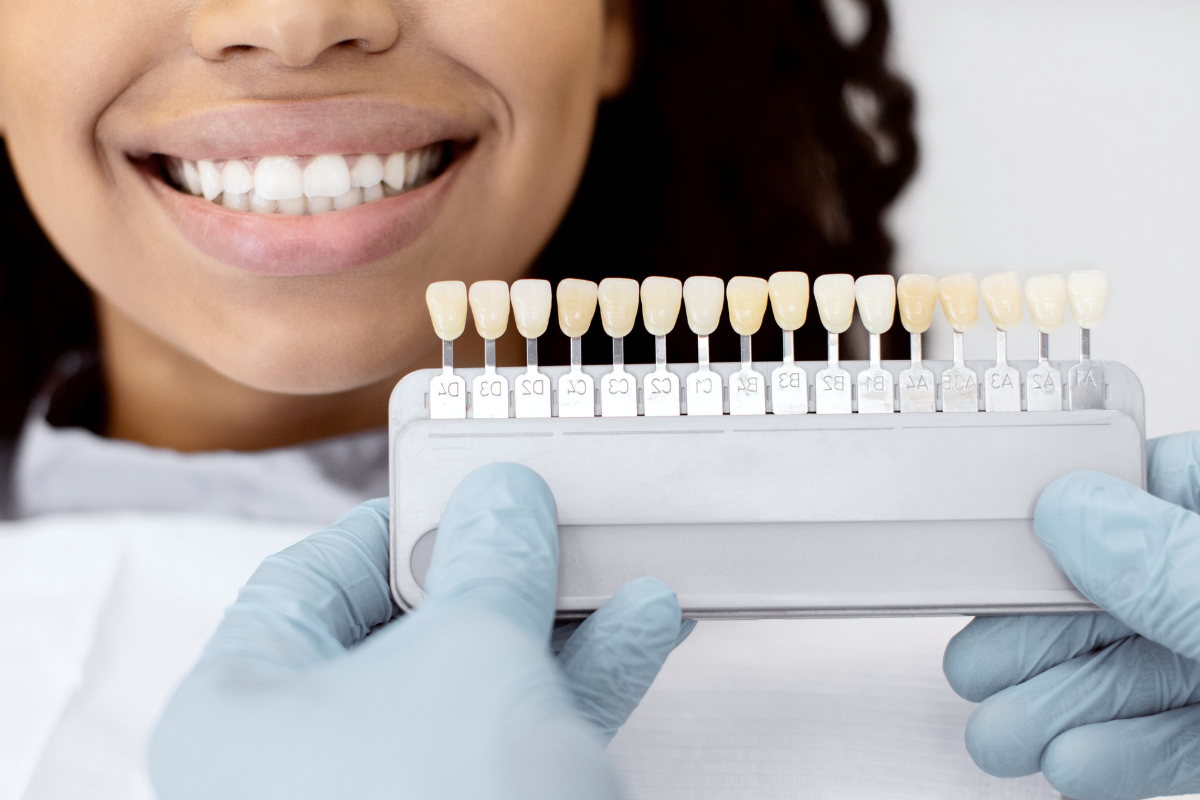
Before addressing whether veneers damage your teeth, it’s important to understand what veneers are and how they function. Veneers are thin, custom-made shells typically made from porcelain or composite resin. They’re bonded to the front surface of your teeth to enhance their appearance.
Veneers can help with:
- Covering stains that can’t be removed with whitening
- Fixing chips or cracks
- Reshaping teeth that are uneven or misaligned
- Making teeth appear longer or more uniform
The process typically involves visiting a cosmetic dentist for an evaluation, followed by a few appointments to get the veneers placed.
The Big Question: Do Veneers Damage Your Teeth?
Many patients are concerned about the potential for veneers to damage their natural teeth. It’s understandable to wonder if the procedure might cause harm. So, ‘Do veneers damage teeth?‘ Let’s break it down.
1. Enamel Removal and Its Effects
One common concern is the process of preparing your teeth for veneers. To ensure a proper fit, your dentist may need to remove a small amount of enamel from your teeth. While this is a standard practice, it raises the question: ‘Does enamel removal lead to long-term damage?‘
The enamel removal process is minimal, but it’s irreversible. This means that once the enamel is removed, your teeth won’t be able to regenerate it. However, this is a small sacrifice compared to the benefits of a beautiful smile. With proper care, veneers themselves are durable, and the risk of damage is low.
2. Are Veneers Bad for Your Teeth Over Time?
Another concern is whether veneers can lead to long-term problems, such as tooth decay or gum issues. When applied correctly by a skilled cosmetic dentist, veneers do not damage the underlying teeth or gums. However, improper application or neglect of oral hygiene can cause complications, such as:
- Gum irritation: If the veneers don’t fit properly or are too thick, they can irritate the gums.
- Tooth decay: While veneers are resistant to decay, the natural teeth underneath them can still be vulnerable if there are any gaps between the veneer and the tooth surface. Regular dental visits are key to ensuring that any issues are caught early.
- Chipping or cracking: Like any dental procedure, if you don’t care for your veneers properly, they may become damaged. Avoid habits like biting hard objects, which can crack or chip your veneers.
3. Do Veneers Ruin Your Teeth?
A common question from patients considering veneers is: ‘Do veneers ruin your teeth?‘ The short answer is no, provided that the procedure is done correctly and you maintain good oral hygiene. Veneers are designed to be a long-term solution to cosmetic concerns, and when applied by an experienced cosmetic dentist, they offer significant benefits without ruining your natural teeth.
That said, your teeth can still become damaged if you don’t take care of them. For instance, if you neglect your oral hygiene, plaque can build up around the veneers, leading to potential tooth decay or gum disease.
4. The Risk of Overcrowding and Bite Issues
In rare cases, people may experience bite issues after getting veneers. If your veneers are too thick, or if they aren’t properly aligned, this could affect how your teeth come together when you bite, leading to discomfort or uneven wear. Additionally, if you have underlying dental issues (like an incorrect bite), veneers might not be the best solution, as they may exacerbate these issues.
The Benefits of Veneers: Not All Bad!
While it’s important to consider the potential drawbacks of any dental procedure, it’s also important to highlight the many benefits of veneers. Here are some reasons why veneers can be a great choice:
- Aesthetic enhancement: Veneers provide an instant transformation, improving the color, shape, and overall appearance of your teeth.
- Durability: With proper care, veneers can last 10-15 years or more.
- Non-invasive: Compared to other procedures, like crowns, veneers are minimally invasive and require less removal of natural tooth structure.
- Boost in self-confidence: Many people who get veneers experience a significant boost in confidence, knowing that their smile looks flawless.
Caring for Your Veneers
After getting veneers, proper care is essential to ensure they last as long as possible without causing any harm to your natural teeth. Here are some tips for maintaining your veneers:
- Brush and floss regularly: Good oral hygiene is crucial to prevent plaque buildup around your veneers.
- Avoid hard foods: Avoid biting down on hard objects like ice or nuts, as these can damage your veneers.
- Wear a nightguard: If you grind your teeth at night, ask your dentist about a custom nightguard to protect your veneers.
- Regular check-ups: Make sure to visit your dentist for routine check-ups to monitor the condition of your veneers and your overall dental health.
Wrapping It Up
So, do veneers really damage your teeth? As long as you choose an experienced cosmetic dentist, follow their advice, and maintain good oral hygiene, veneers should not cause any long-term harm. While there are minor risks involved, the benefits of veneers far outweigh the potential downsides for most people. If you’re considering veneers in Scottsdale, book an appointment with our trusted cosmetic dentist who can guide you through the process and ensure the best results for your smile.
Let us help you achieve the smile you’ve always wanted!