
7449 East Osborn Road #4 Scottsdale, Arizona 85251
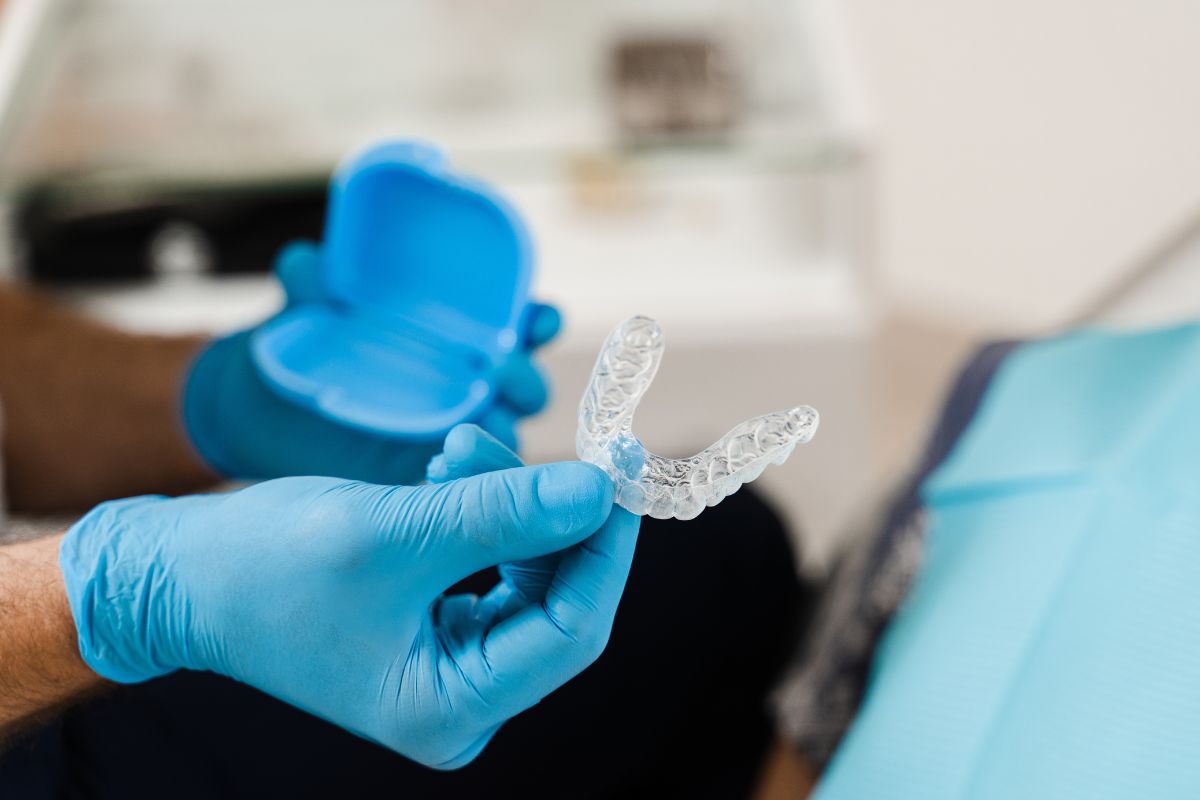
Crooked teeth, uneven spacing, or bite problems can affect your confidence and oral health. For adults and parents considering orthodontic care in Scottsdale, understanding treatment expenses is an important first step.
At Dentistry of Old Town Scottsdale, Dr. Brittain helps patients explore clear aligner treatment based on their dental needs. If you are comparing dentists in Scottsdale, AZ, understanding insurance benefits, financing options, and treatment requirements can help you make an informed decision.
How Much Does Invisalign Cost in Scottsdale?
The cost of clear aligner treatment varies because every patient’s alignment needs are different. Someone with minor spacing concerns may need fewer aligners than someone with significant crowding or bite problems.
Your final treatment estimate depends on the complexity of tooth movement, expected treatment duration, and services included in your plan.
A dental consultation is the most reliable way to determine your individual expenses. Your dentist can examine your teeth, explain the recommended treatment, and provide an estimate before you commit.
What Factors Affect Clear Aligner Treatment Costs?
Several factors influence the overall cost of orthodontic treatment.
1. Severity of Dental Misalignment
Mild crowding or small gaps may require relatively straightforward adjustments. More complex problems, including rotated teeth or bite discrepancies, may require additional planning and tooth movement.
Complex cases may also need attachments or other orthodontic procedures.
2. Length of Treatment
Treatment duration depends on how far teeth must move and how consistently patients follow instructions.
Many clear aligner cases take about 12 to 18 months, though timelines vary.
Longer treatment plans may involve additional aligners, monitoring, and adjustments.
3. Number of Aligners Required
Each aligner gradually moves teeth toward their planned positions.
Patients who need substantial movement generally require more aligner stages. The number of trays is determined during treatment planning and can influence the overall expense.
4. Additional Dental Procedures
Some patients need dental treatment before beginning orthodontic care.
These procedures may include:
- Treating untreated cavities.
- Addressing gum inflammation or periodontal disease.
- Completing necessary dental restorations.
- Evaluating bite problems requiring additional intervention.
Your dentist will explain which procedures are necessary and whether they involve separate charges.
5. Retainers and Follow-Up Care
After teeth reach their planned positions, retainers help maintain alignment.
Ask whether the treatment estimate includes retainers, follow-up appointments, replacement trays, and additional refinement aligners.
Understanding these details helps prevent unexpected expenses.
Does Dental Insurance Cover Clear Aligners?
Some dental insurance plans provide orthodontic benefits that may apply to Invisalign treatment. However, coverage varies widely by policy.
Plans may include:
- Orthodontic benefits: Partial coverage for qualifying treatment.
- Lifetime maximums: A fixed total benefit for orthodontic care.
- Age restrictions: Coverage limited to children or dependent teenagers.
- Waiting periods: Required enrollment periods before benefits apply.
- Network requirements: Benefits vary by dental provider.
Some plans exclude adult orthodontics entirely. Our dental office accepts most PPO dental insurance plans and can help patients contact their insurance providers to understand available benefits.
Before beginning treatment, request an insurance benefit review and ask about your estimated out-of-pocket responsibility.
What Financing Options Are Available?
Payment flexibility can make planning orthodontic care easier, especially for patients without insurance.
If you searched for “Invisalign near me,” comparing payment arrangements matters as much as comparing treatment options. Our Scottsdale dental office offers financing through CareCredit, a third-party healthcare financing provider.
Eligible patients can apply online or request assistance during their visit.
Depending on approval and available financing terms, patients may spread eligible treatment expenses across scheduled payments.
Before selecting financing, review:
- Monthly payment amounts.
- Repayment duration.
- Interest rates and promotional terms.
- Deferred-interest conditions, if applicable.
- Total repayment obligations.
Our office also accepts major credit cards, including Visa, Mastercard, Discover, and American Express.
Payment is generally due when services are provided unless arrangements have been made beforehand.
How Can You Plan for Orthodontic Treatment Expenses?
Understanding your treatment estimate helps you make decisions without unnecessary financial uncertainty.
Consider these practical steps:
- Schedule a consultation: Learn whether removable aligners can address your concerns.
- Request an itemized estimate: Understand what your treatment includes.
- Verify insurance benefits: Confirm coverage limits, exclusions, and remaining benefits.
- Discuss financing: Compare payment arrangements before committing.
- Ask about future expenses: Clarify potential charges for refinements, replacement aligners, and retainers.
Patients should also follow the recommended aligner wear schedule, generally 20 to 22 hours daily. Consistent wear helps treatment progress as planned and may reduce avoidable delays.
Take the Next Step Toward a Straighter Smile in Scottsdale
Understanding the cost of Invisalign in Scottsdale starts with your treatment needs, insurance coverage, and available payment options.
Our dental team can help you explore your options and make an informed decision about your smile.
Call 480-719-6994 to book an appointment at our Scottsdale dental office and discuss your clear aligner treatment options.
Frequently Asked Questions
1. Is Invisalign More Expensive Than Traditional Braces?
Pricing depends on treatment complexity, duration, and the orthodontic services required. In some cases, clear aligners and traditional braces may cost about the same. A dental consultation can help you decide which approach best fits your alignment needs and budget.
2. Can Dental Insurance Cover the Entire Treatment?
Most orthodontic benefits cover only a portion of eligible treatment costs. Some policies have lifetime maximums, age restrictions, or exclusions. Reviewing your insurance benefits with the dental office helps clarify what you can expect to pay.
3. Can I Get Clear Aligners Without Dental Insurance?
Yes. Patients without orthodontic insurance benefits can explore available financing and payment options. A consultation lets you review the recommended treatment, understand estimated costs, and discuss available arrangements before moving forward.
4. Are Retainers Included in the Treatment Cost?
Retainer coverage depends on the treatment agreement. Some estimates include initial retainers, while others list them separately. Ask your dental office about retention costs, replacement retainers, and recommended follow-up visits before starting treatment.
5. Can I Use an HSA or FSA for Orthodontic Treatment?
Orthodontic treatment is generally an eligible expense under health savings accounts and flexible spending accounts when it qualifies as dental care. Eligibility depends on your account rules. Confirm requirements with your plan administrator before using these funds.
6. How Can I Find Out My Exact Treatment Cost?
A comprehensive dental examination is the first step. Your dentist will evaluate alignment concerns, discuss treatment goals, and estimate treatment time. Then you can review insurance benefits and financing options before deciding.