7449 East Osborn Road #4 Scottsdale, Arizona 85251


Root Canal Therapy
Are you experiencing tooth pain and wondering if a root canal therapy or tooth extraction is the best solution? It’s natural to feel apprehensive about dental procedures, but understanding the benefits of each option can help alleviate your concerns. So sit back, relax and let’s dive into the advantages of root canal therapy!
What Is Root Canal Therapy?
Root canal therapy is a dental procedure that removes the infected or damaged pulp from inside a tooth. The pulp is the soft tissue in the center of a tooth that contains nerves, blood vessels, and connective tissue. When the pulp becomes infected or inflamed due to decay, trauma, or repeated dental procedures on the same tooth, it can cause severe pain and sensitivity.
During root canal therapy, your dentist will numb the affected area with local anesthesia before making an opening in the top of your tooth to access its inner chamber. Then they will remove all traces of damaged or infected pulp using special tools. Once this step is complete, they’ll clean out any remaining debris and fill up any cavities with specialized materials.
After completing root canal therapy treatment successfully without complications such as infection or nerve damage , you may need additional restorative work like placing a crown over your treated tooth to protect it from further damage. With proper care and maintenance like regular brushing and flossing along with periodic check-ups by your dentist ,a treated tooth can last for years!
The Advantages Of Root Canal Therapy Over Tooth Extraction
When it comes to dental issues, root canal therapy and tooth extraction are two common treatments. However, there are significant advantages of choosing root canal therapy over tooth extraction.
Firstly, root canal therapy allows you to keep your natural teeth. Losing a tooth can have various negative effects on your oral health and appearance. By preserving the natural structure of the tooth through root canal therapy, you get to maintain proper chewing function as well as prevent bone loss in your jaw.
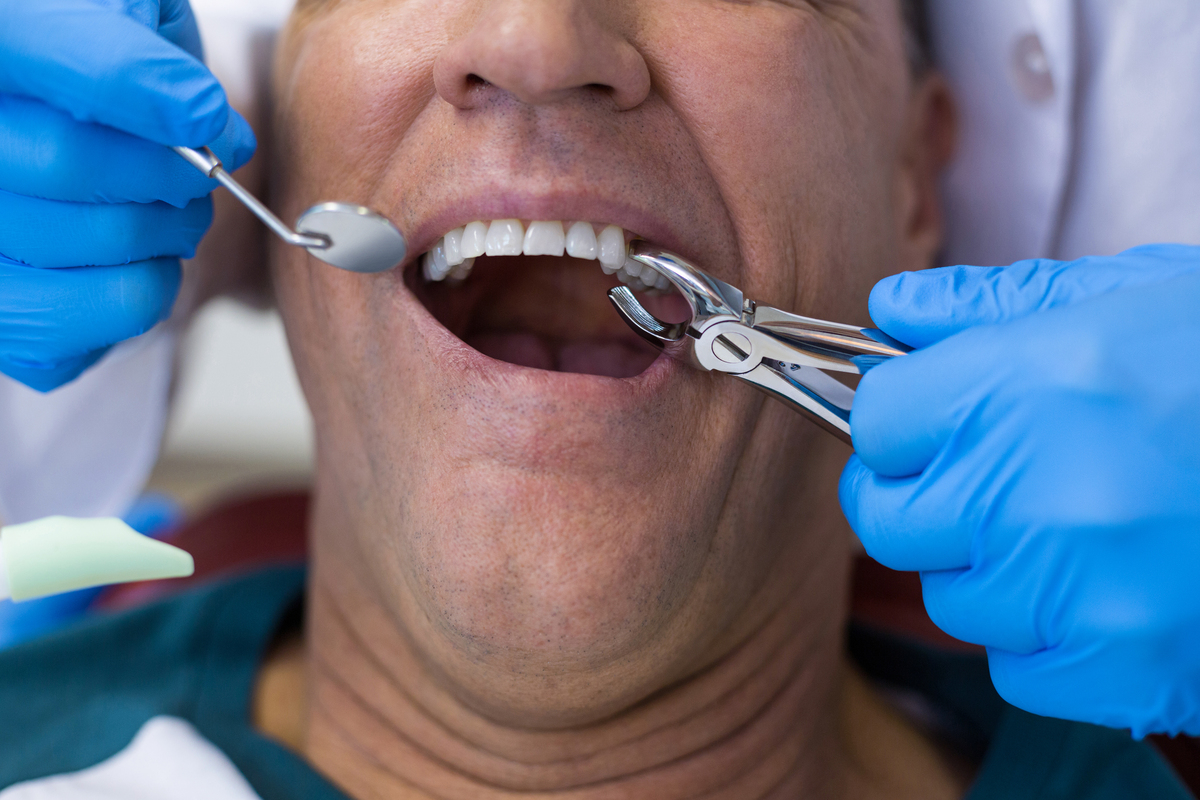
Secondly, undergoing root canal therapy is less painful than having a tooth extracted. With advances in technology and anesthesia options available today, patients experience minimal discomfort during the procedure compared to extraction which involves pulling out an entire tooth from its socket.
Thirdly, choosing root canal therapy over extraction is much more cost-effective in the long run since replacing missing teeth with implants or bridges can be quite expensive.
In summary, opting for root canal treatment instead of an extraction not only saves you money but also preserves your natural smile and helps avoid potential oral health issues that may arise due to losing a permanent tooth.
What To Expect During Root Canal Therapy
During a root canal therapy, the patient can expect to undergo several steps. Firstly, the dentist will numb the area with local anesthesia before creating an opening in the tooth’s crown to access the infected pulp chamber and root canals.
Next, using specialized tools, they will remove all of that infected tissue from inside your tooth. This process may take some time depending on how complex or advanced your case is.
After removing all of the diseased tissue, your dentist will clean and disinfect each canal thoroughly before shaping them for filling. They’ll fill up those tiny spaces with material called gutta-percha and then seal off the top of it with dental cement.
In most cases, patients should not feel any pain during a root canal procedure due to local anesthetics numbing their mouth. However, there may be some discomfort after treatment as well as sensitivity for a few days afterward which is normal but if you experience severe pain or swelling please contact your dentist promptly.
After The Procedure: Care And Recovery Tips
After undergoing root canal therapy, it is important to take proper care of your teeth and gums to ensure a smooth recovery process. Your dentist or endodontist will provide specific instructions on how to care for the treated tooth after the procedure.
One common side effect of root canal therapy is sensitivity in the days following the treatment. This can be managed with over-the-counter pain relievers such as ibuprofen or acetaminophen.
It’s also important to follow a soft food diet for a few days post-treatment and avoid chewing on hard foods that could potentially damage the treated tooth. You should also avoid smoking and drinking alcohol during this time as they may hinder healing.
Maintaining good oral hygiene habits, such as brushing twice a day and flossing daily, is crucial during recovery. Be sure to gently brush around the treated area while being careful not to irritate it.
Attend all scheduled follow-up appointments with your dentist or endodontist so they can monitor your progress and ensure that everything is healing properly. With proper care and attention, you can expect a successful recovery from root canal therapy without any major complications.
The Bottom Line
Root canal therapy and tooth extraction are both viable options for treating dental problems. However, when possible, it is often recommended to opt for a root canal as the benefits greatly outweigh those of tooth extraction.
Root canals preserve the natural structure of your teeth and allow you to keep them in your mouth for many years. They also make it easier to maintain good oral hygiene habits and avoid further complications down the line.
While undergoing any kind of dental procedure may seem daunting at first, remember that dentists are trained professionals who will ensure that you remain comfortable throughout the process. By following their post-procedure instructions, you’ll be back to normal before you know it!
We hope this article has been helpful in providing insight into why choosing root canal therapy over tooth extraction could be a better option for maintaining optimal oral health. Remember to always consult with your dentist if you have any concerns or questions about your dental care needs!