7449 East Osborn Road #4 Scottsdale, Arizona 85251

A toothache can strike at the worst possible moment—during a family dinner, in the middle of the night, or right before an important meeting. The throbbing pain, swelling, or sensitivity can make even simple tasks unbearable. While some toothaches can be managed at home for a short time, others require immediate attention from an emergency dentist. Knowing how to handle a toothache right away can save you from worsening pain and help protect your overall dental health.
At Dentistry of Old Town Scottsdale, we understand how stressful dental pain can be. That’s why we’ve put together this practical guide on what to do when a toothache strikes, how to manage it until you see a dentist, and when it’s time to seek urgent care.
First Steps to Take When Tooth Pain Hits
When a toothache starts suddenly, you need quick relief. Here are a few first-aid measures that can help:
-
Rinse with warm salt water: Mix half a teaspoon of salt in a glass of warm water to reduce swelling and kill bacteria.
-
Floss gently around the tooth: Sometimes food particles lodged between teeth cause pain. Carefully flossing can dislodge debris.
-
Apply a cold compress: Hold a cold pack or ice wrapped in a cloth against the outside of your cheek for 15 minutes to reduce pain and swelling.
-
Take over-the-counter medication: Ibuprofen or acetaminophen can help relieve pain temporarily. Always follow dosage instructions.
These steps are only short-term solutions. If your toothache lingers for more than a day or becomes severe, you need professional dental care.
Common Causes of Toothaches
Tooth pain doesn’t happen without reason. Understanding the cause can help determine the urgency of your situation:
-
Cavities and tooth decay – The most common culprit behind toothaches.
-
Gum disease – Infections in the gums can radiate pain to the teeth.
-
Abscessed tooth – A serious infection that may cause swelling, fever, or pus.
-
Cracked or broken tooth – Even small cracks can expose sensitive nerves.
-
Damaged fillings or crowns – Old dental work may fail, leaving teeth vulnerable.
-
Tooth sensitivity – Pain when eating hot, cold, or sweet foods could signal enamel erosion or root exposure.
If you experience sharp or constant pain, swelling, or fever, it’s time to call an emergency dentist right away.
When Is a Toothache an Emergency?
Not every toothache is a true dental emergency, but certain symptoms require immediate attention:
-
Severe, throbbing, or persistent pain
-
Swelling of the face or jaw
-
Red, inflamed, or bleeding gums
-
Pus or drainage around the tooth
-
Fever or feeling generally unwell
-
Difficulty opening your mouth or swallowing
These could be signs of a serious infection that should not be ignored. Our emergency dentist in Scottsdale provides urgent care for situations like these, ensuring you get relief quickly and safely.
What a Dentist Can Do for Tooth Pain
Once you see your emergency dentist, they’ll examine your mouth, take X-rays if needed, and recommend treatment. Depending on the cause, you may need:
-
Filling or crown to repair cavities or damaged teeth
-
Root canal treatment to save an infected tooth
-
Antibiotics for infections that have spread to the gums or jaw
-
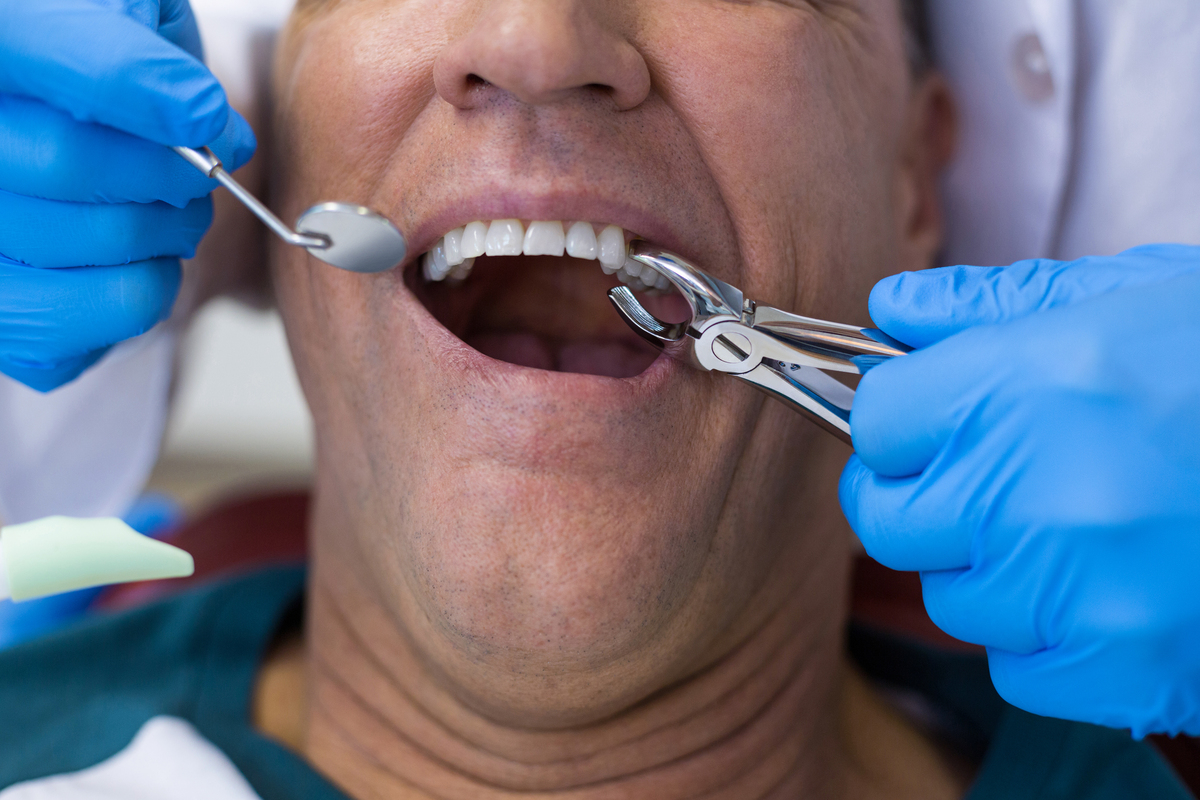
Tooth extraction if a tooth is severely damaged or decayed
-
Professional cleaning to address gum disease
The earlier you seek help, the more likely your dentist can save your tooth and prevent complications.
Home Remedies That Help Until Your Appointment
While professional care is always the ultimate solution, these remedies may help manage pain until you reach your dentist:
-
Clove oil: Contains natural numbing properties—apply with a cotton swab to the sore area.
-
Hydrogen peroxide rinse: Dilute with water to kill bacteria and reduce inflammation.
-
Elevating your head while sleeping: Helps prevent blood from pooling, reducing pressure and pain.
-
Avoiding trigger foods: Stay away from extremely hot, cold, or sugary items.
These methods can ease discomfort but won’t fix the root problem. Always follow up with a professional visit.
Preventing Future Toothaches
The best way to avoid sudden dental pain is through prevention. Make these practices part of your daily routine:
-
Brush twice a day with fluoride toothpaste
-
Floss daily to remove food and plaque
-
Use an antibacterial mouthwash
-
Visit your dentist every six months for checkups
-
Limit sugary snacks and drinks
-
Wear a mouthguard if you grind your teeth at night
Regular care reduces the risk of emergencies and keeps your smile healthy.
FAQs About Toothaches
Q. How long can I wait before seeing a dentist for a toothache?
A. If pain persists for more than 24–48 hours or is severe, schedule an appointment right away. Waiting too long can worsen the problem.
Q. Can a toothache go away on its own?
A. Mild discomfort might ease if caused by temporary irritation, but most toothaches won’t disappear without treatment.
Q. Can stress cause tooth pain?
A. Yes. Stress can lead to teeth grinding (bruxism), which may result in jaw pain, tooth sensitivity, or cracked teeth.
Q. Why does toothache pain get worse at night?
A. Lying down increases blood flow to the head, which can intensify throbbing pain. Elevating your head may provide relief.
Q. Is it safe to use aspirin directly on the tooth?
A. No. Applying aspirin directly can burn gum tissue. Always swallow pain relievers as directed.
Q. Should I go to the ER for a toothache?
A. Only if swelling affects your breathing or you have a high fever. Otherwise, contact an emergency dentist for specialized care.
Takeaway
A toothache is more than just an inconvenience—it’s a signal that something needs attention. While home remedies and pain relievers may provide temporary relief, only a dentist can diagnose and treat the real cause. Ignoring the pain can lead to infections, tooth loss, or more complicated procedures later.
At our dental office in Scottsdale, we’re here to provide prompt, effective care when you need it most. If you’re suffering from sudden or severe dental pain, don’t wait—reach out to an emergency dentist today and take the first step toward relief and long-term oral health.