7449 East Osborn Road #4 Scottsdale, Arizona 85251

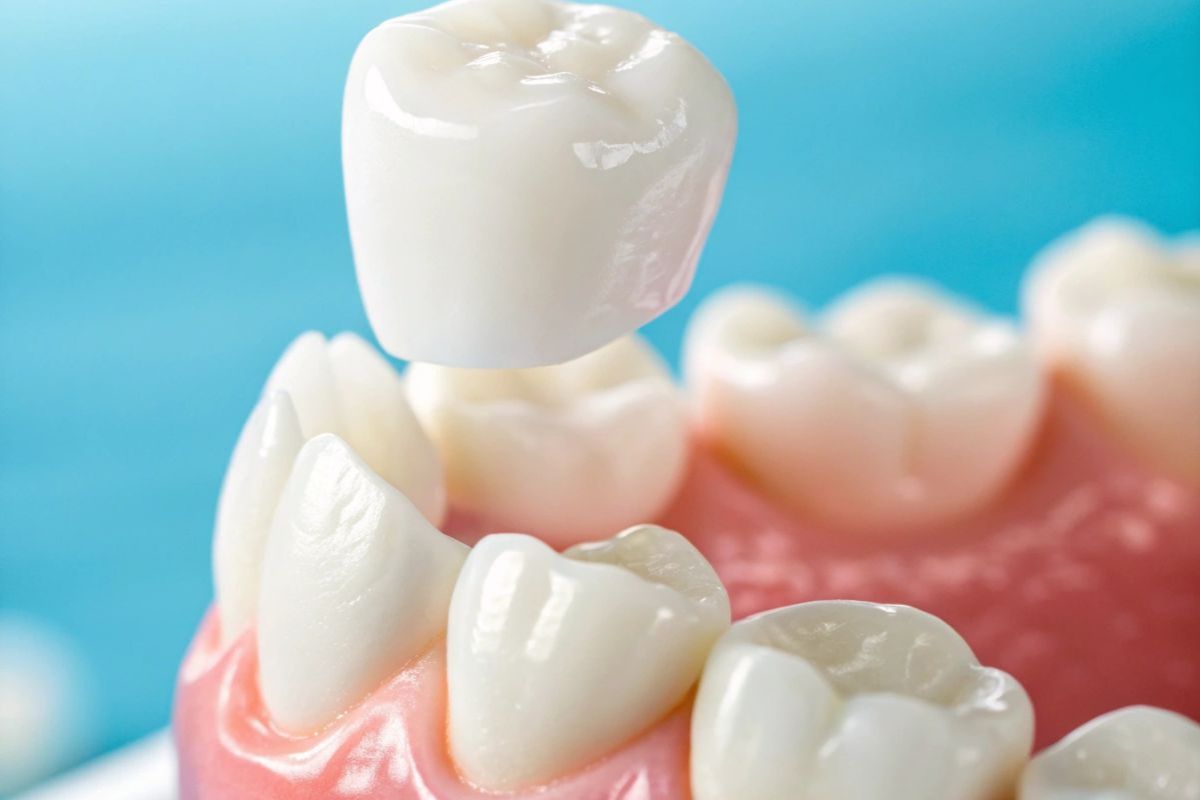
Dental crowns are one of the most common restorative dentistry treatments, yet many patients are unsure of what to expect before getting them. Whether you need one to strengthen a weakened tooth, restore a damaged one, or improve your smile’s appearance, understanding how dental crowns work can help you feel more confident about the procedure.
Let’s break down the five essential things you should know about dental crowns.
1. Dental Crowns Serve Multiple Purposes
A crown isn’t just for covering a broken tooth—it has a wide range of uses. Dentists often recommend them for:
-
Restoring teeth that are severely decayed or damaged
-
Protecting weak teeth from fracturing
-
Covering a dental implant
-
Supporting a dental bridge
-
Improving the look of a discolored or misshapen tooth
Because they are custom-made to fit your tooth, crowns provide both functional strength and a natural appearance. If you’ve been experiencing discomfort or insecurity due to a damaged tooth, a crown can be a reliable and lasting solution.
2. Different Materials Are Available
Not all dental crowns are created equal. Dentists typically offer a variety of materials to suit different needs, budgets, and preferences. Common options include:
-
Porcelain or ceramic crowns – Blend naturally with your teeth, ideal for front teeth.
-
Metal crowns – Extremely durable, often used for back molars.
-
Porcelain-fused-to-metal (PFM) – A balance of strength and aesthetics.
-
Zirconia crowns – Highly durable and tooth-colored for a natural look.
At Dentistry of Old Town Scottsdale, our dentist will help you choose the right material for the dental crowns based on the tooth’s location, your bite, and your cosmetic goals.
3. The Process Usually Takes Two Visits
Getting a dental crown is a straightforward process, but it’s helpful to know what to expect.
-
First appointment: Your dentist will prepare the tooth, take impressions, and place a temporary crown.
-
Second appointment: The permanent crown will be placed and adjusted for comfort.
Advancements in dental technology also allow for same-day crowns in some cases, but traditional crowns usually require two visits. Either way, the process is designed to restore your tooth quickly and comfortably.
4. Crowns Require Care Just Like Natural Teeth
While crowns are strong, they are not invincible. Taking care of your dental crowns helps extend their lifespan, which can range from 10 to 15 years or more. Essential care tips include:
-
Brushing twice daily with a fluoride toothpaste
-
Flossing carefully around the crown to prevent plaque buildup
-
Avoiding chewing on hard objects like ice or pens
-
Scheduling regular dental check-ups
With the right care, your crown can protect your tooth for many years while maintaining its natural look.
5. They Improve Both Function and Confidence
A dental crown doesn’t just fix a tooth—it restores your ability to eat, speak, and smile without hesitation. Patients often report:
-
Better chewing ability
-
Relief from tooth sensitivity or pain
-
A more even, natural-looking smile
-
Greater confidence in social and professional settings
Choosing dental crowns ensures that you’re not only protecting your oral health but also enhancing your overall quality of life.
How to Care for Dental Crowns
Proper care is essential to ensure your crown lasts for many years. While crowns are durable, neglecting oral hygiene can shorten their lifespan. Here are some ways to keep your crown in top condition:
-
Brush and floss daily: Use a soft-bristled toothbrush and fluoride toothpaste to clean around the crown without causing abrasion.
-
Use a nightguard if needed: If you grind your teeth at night, wearing a guard can prevent unnecessary wear on your crown.
-
Avoid sticky or hard foods: Chewing ice, hard candy, or sticky caramels can damage or loosen your crown.
-
Visit your dentist regularly: Professional cleanings and exams help catch early signs of wear, damage, or decay beneath the crown.
By maintaining good oral hygiene habits and visiting your dentist, you can extend the life of your crown and keep your smile healthy and beautiful.
FAQs About Dental Crowns
Q. How long do dental crowns last?
A. With proper care, crowns can last 10–15 years, and sometimes even longer. Their longevity depends on good oral hygiene, diet, and avoiding habits like teeth grinding.
Q. Do dental crowns hurt?
A. The procedure is not painful since it’s done under local anesthesia. Some mild sensitivity may occur afterward, but it usually resolves quickly. Most patients adjust to their crowns within a few days and experience improved comfort compared to before treatment.
Q. Can crowns fall out?
A. It’s rare, but crowns can loosen if the cement wears down or the tooth underneath decays. Regular dental visits help prevent this. If a crown does come loose, it can often be re-cemented rather than replaced entirely.
Q. Do dental crowns feel like natural teeth?
A. Yes, once adjusted properly, crowns feel very similar to your natural teeth. Most patients forget they even have one after a short adjustment period.
Restore Your Smile with Dental Crowns in Scottsdale
If you’ve been putting off treatment for a damaged or weakened tooth, now is the time to take the next step. Dental crowns provide long-lasting protection and a natural look that blends seamlessly with your smile. Our dental practice is dedicated to giving patients high-quality care and personalized solutions that fit their needs.
By choosing our durable dental crowns in Scottsdale, you’re investing not only in your oral health but also in your confidence and comfort!