
7449 East Osborn Road #4 Scottsdale, Arizona 85251
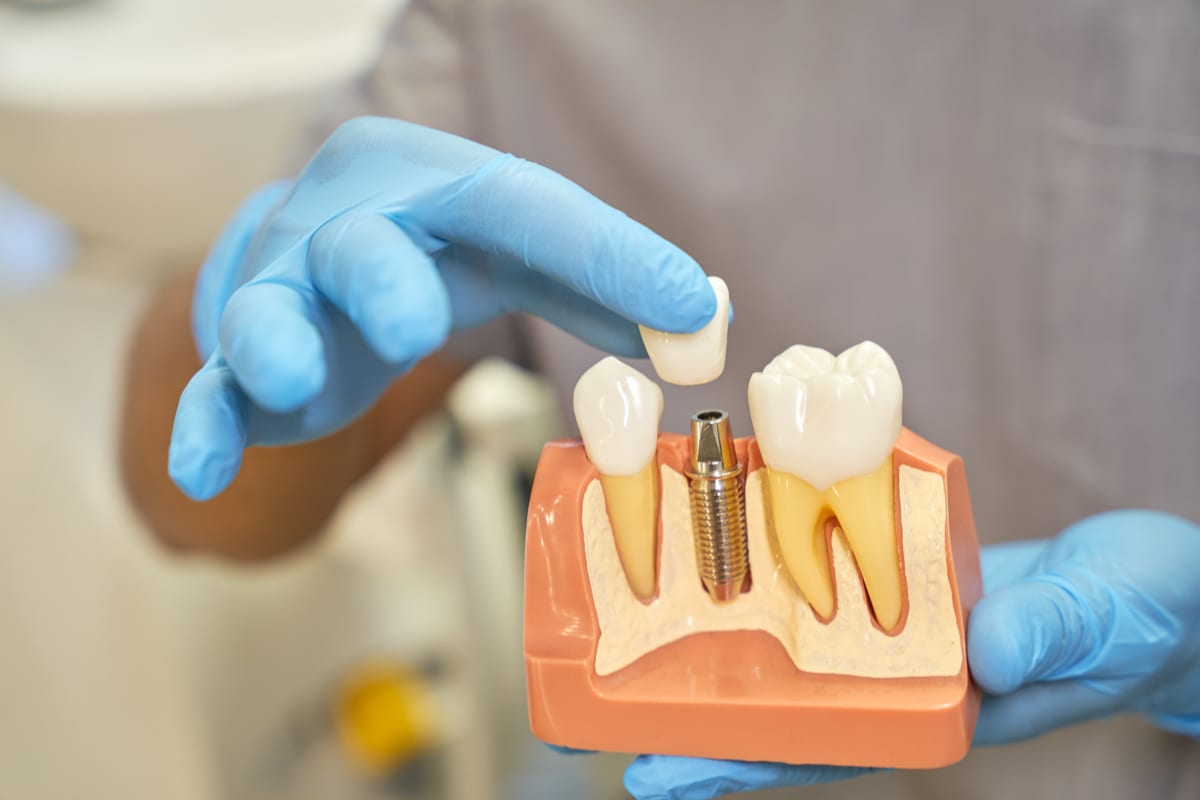
If you’re considering replacing a missing tooth, knowing what to expect can make the process feel much more manageable. For patients exploring dental care in Scottsdale, AZ, understanding how dental implant treatment works—from the initial consultation through healing and final restoration—can help you feel more prepared before meeting with a dentist.
If you’ve been searching for Dental Implants Scottsdale, this guide explains each stage of the procedure, what happens during appointments, how long healing may take, and what you can expect from your dentist throughout treatment.
Step One: Your Dental Implant Consultation
Every implant treatment begins with an evaluation. Your dentist examines the area where the tooth is missing and checks your surrounding teeth, gums, bite, and jawbone.
Digital X-rays or 3D imaging may be used to evaluate bone structure and determine the best position for the implant. Your dentist may also review your dental and medical history to identify anything that could affect treatment or healing.
During the consultation, you can discuss:
- How many teeth need to be replaced
- Your available bone support
- Your gum health
- The condition of neighboring teeth
- Possible treatment alternatives
- The expected treatment timeline
- What to expect during recovery
If another dental problem needs attention first, your dentist may recommend treating it before moving forward with implant placement. For example, existing tooth infection or decay may require treatment such as Root Canal Therapy Scottsdale.
This evaluation allows your dentist to create a treatment plan based on your specific oral health rather than using the same approach for every patient.
Step Two: Preparing for Implant Placement
Not every patient can move directly from consultation to implant surgery. Some people may need additional treatment before an implant can be placed.
Your dentist may recommend addressing:
- Active gum disease
- Tooth infections
- Significant decay
- Insufficient bone volume
- Other oral health concerns
If your jawbone does not provide adequate support for an implant, additional procedures may sometimes be considered before placement.
Once your dentist determines that your mouth is ready, the implant placement appointment can be scheduled.
Step Three: Implant Placement — What Happens During Surgery?
Implant placement is the surgical stage of treatment. Local anesthesia is typically used to numb the treatment area and help keep you comfortable.
During the procedure, your dentist or implant provider places a titanium implant post into the jawbone. The implant serves as an artificial tooth root and provides the foundation for the eventual restoration.
The procedure generally involves:
- Numbing the treatment area
- Accessing the jawbone through the gum tissue
- Preparing the implant site
- Placing the titanium implant
- Closing the gum tissue around the treatment area
- Providing post-operative care instructions
The length of the appointment depends on factors such as the number of implants being placed and the complexity of your case.
Some soreness, swelling, or tenderness can occur after implant placement. Your dentist will provide specific instructions for caring for the surgical area during recovery.
Step Four: Healing and Osseointegration
After the implant is placed, the most important part of the healing process begins.
During osseointegration, the jawbone gradually integrates with the implant surface. This creates a stable foundation for the replacement tooth.
This process can take several months, depending on your individual healing and treatment plan. You may have follow-up appointments during this period so your dentist can monitor the implant and surrounding tissues.
Although you may not notice significant changes from day to day, the bone is gradually developing a stable connection with the implant.
Following your dentist’s instructions during this stage is important. Good oral hygiene, appropriate eating habits, and attending scheduled follow-up appointments can support a healthy recovery.
If another tooth requires attention during treatment, your dentist can determine whether procedures such as Root Canal Retreatment Scottsdale should be completed separately or coordinated with your overall treatment plan.
Step Five: Abutment Placement
Once the implant has adequately healed and integrated with the jawbone, the restorative stage can begin.
An abutment is a small connector that attaches to the implant and supports the final dental crown.
Depending on your treatment plan, abutment placement may be completed as part of another appointment. Your dentist will explain what to expect based on the type of implant and restoration being used.
After the abutment is in place, the area is prepared for the final restoration.
Step Six: Your Custom Dental Crown
The final stage is placing the dental crown that replaces the visible portion of the missing tooth.
Your dentist considers the size, shape, color, and position of your surrounding teeth when planning the restoration. The goal is to create a replacement that fits comfortably within your bite and complements your natural teeth.
Once the crown is secured, you can use the implant-supported tooth for everyday activities such as eating and speaking.
Your dentist will also explain how to care for the restoration and keep the surrounding gums healthy.
How Long Does the Dental Implant Process Take?
There is no single timeline for every patient.
Some implant treatments can be completed relatively quickly, while others require additional healing or preparatory procedures. Factors that can affect the timeline include:
- Number of missing teeth
- Jawbone condition
- Gum health
- Need for additional procedures
- Individual healing
- Type of restoration
In many cases, the complete process can take several months because the jawbone needs time to integrate with the implant before the final restoration is placed.
Your dentist can provide a more specific estimate after examining your mouth and developing your treatment plan.
What Is Recovery Like After Implant Placement?
Recovery varies from person to person. Mild swelling, tenderness, or discomfort can occur after surgery and generally improves as the area heals.
Your dentist may provide instructions about:
- Eating and drinking
- Oral hygiene
- Physical activity
- Medication
- Protecting the treatment area
- Follow-up appointments
Following these instructions can help reduce unnecessary irritation during the healing period.
Contact your dental office if you experience unusual or worsening symptoms rather than trying to manage persistent problems on your own.
How Do You Care for a Dental Implant Long Term?
Once your implant and crown are fully restored, daily care is important.
Although the replacement tooth cannot develop a cavity like a natural tooth, the gums and tissues surrounding an implant still need attention.
Good habits include:
- Brush twice a day
- Clean between your teeth and around the implant
- Attend regular dental examinations
- Keep professional cleaning appointments
- Follow your dentist’s recommendations
- Avoid using your teeth to open packages or bite extremely hard objects
Your dentist will also monitor the implant and surrounding tissues during routine visits.
What Are the Benefits of Dental Implants?
Dental implants can offer several advantages for appropriate candidates.
They can:
- Replace a missing tooth without a removable denture
- Provide a stable foundation for a crown
- Support normal chewing function
- Help maintain stimulation of the jawbone in the implant area
- Be designed to blend with surrounding teeth
- Avoid placing crowns on healthy neighboring teeth in many single-tooth cases
However, implants are not automatically the best option for every patient. A dentist should evaluate your oral health and discuss all appropriate tooth-replacement choices before treatment.
What Happens If You Delay Replacing a Missing Tooth?
Putting off tooth replacement does not necessarily create an immediate problem, but changes can occur over time.
When a tooth is missing, the surrounding teeth may shift into the open space. Bone in the area can also gradually lose volume because it no longer receives stimulation from a natural tooth root.
A changing bite or reduced bone volume may affect future treatment options.
If you have been missing a tooth for some time, your dentist can examine the area and explain whether an implant or another replacement option is appropriate.
Choosing the Right Dentist for Implant Treatment
Choosing a dentist for implant treatment involves more than looking at the procedure itself.
Consider whether the dental provider:
- Performs a detailed examination before treatment
- Uses appropriate diagnostic imaging
- Explains each stage clearly
- Reviews potential risks and alternatives
- Provides post-operative instructions
- Monitors healing and long-term oral health
- Answers your questions before treatment begins
A thorough consultation gives you an opportunity to understand your options before making a decision.
For patients considering implant treatment in Scottsdale, Dentistry of Old Town Scottsdale provides dental care focused on individualized treatment planning and long-term oral health.
Ready to Discuss Dental Implants?
Understanding each stage of implant treatment can make the process easier to approach. From the initial examination and implant placement to healing and final crown placement, your dentist can explain what to expect and answer questions specific to your situation.
If you’re considering replacing a missing tooth, call (480) 719-6994 to schedule a consultation and discuss your treatment options.
Frequently Asked Questions
How long does the entire dental implant process take?
The complete process can take several months, particularly when healing and osseointegration are required. Your timeline depends on your oral health, the number of implants, bone condition, and whether additional procedures are needed.
Is getting a dental implant painful?
The treatment area is typically numbed with local anesthesia during implant placement. Some soreness, swelling, or tenderness may occur afterward. Your dentist will provide instructions for managing recovery and explain when you should contact the office about unexpected symptoms.
Am I a good candidate for a dental implant?
Many adults may be candidates, but suitability depends on factors such as gum health, bone support, overall oral health, and individual healing considerations. A dental examination and appropriate imaging are needed to determine whether an implant is suitable for you.
How long does it take for a dental implant to heal?
Healing and osseointegration can take several months. The exact timeline varies between patients and depends on factors such as bone quality, implant location, overall health, and the specific treatment plan.
How do I care for a dental implant?
Care is similar to caring for natural teeth. Brush twice daily, clean between your teeth and around the implant, maintain regular dental visits, and follow your dentist’s recommendations for professional cleanings and ongoing monitoring.
What happens if I wait too long to replace a missing tooth?
The surrounding teeth may shift, and the jawbone in the missing-tooth area may gradually lose volume. Delaying treatment does not mean an implant will always be impossible, but your dentist may need to evaluate changes in the area before recommending treatment.