7449 East Osborn Road #4 Scottsdale, Arizona 85251
Are you considering getting a dental implant but feel nervous about the procedure? Don’t worry, you’re not alone. Dental implants are a common and effective solution for missing teeth, but many people are unsure of what to expect during the process. In this blog post, we’ll walk you through everything from start to finish so that you can enter your appointment with confidence and ease. So sit back, relax, and let us guide you through the dental implant process.
What Is A Dental Implant?
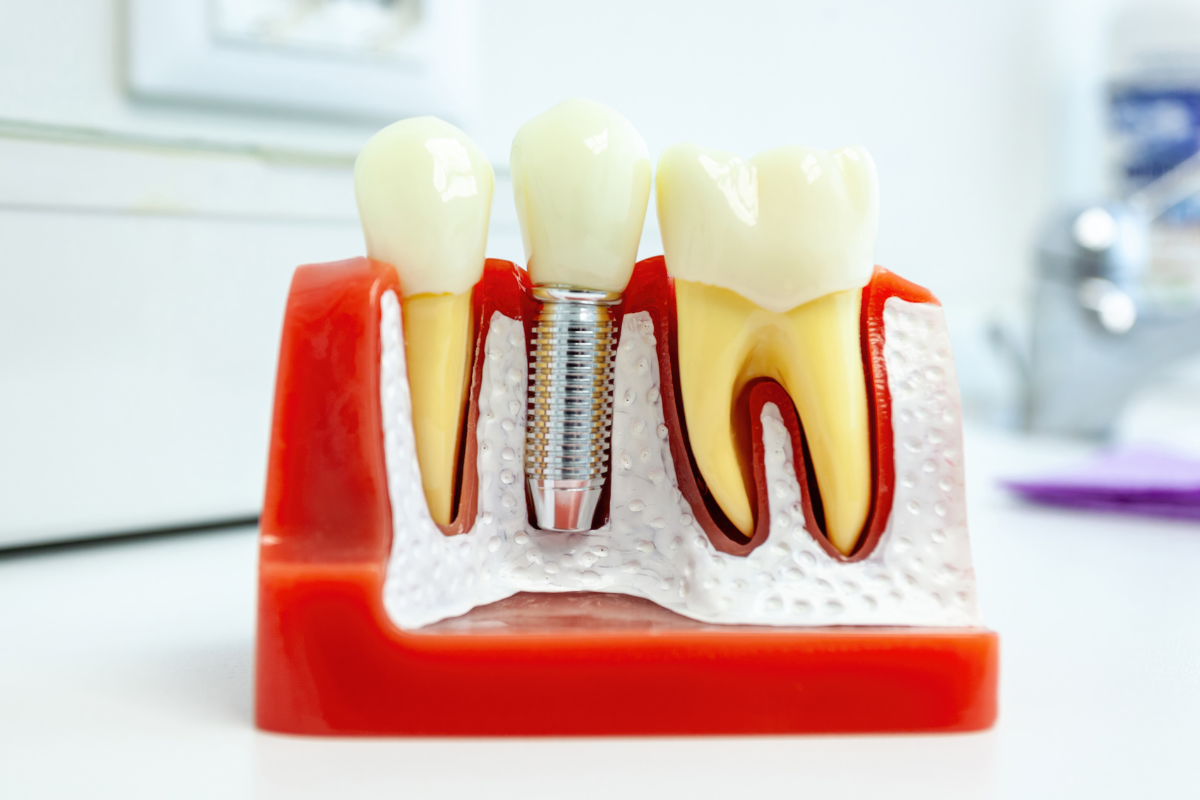
A dental implant is a small, screw-shaped post made of titanium that serves as an artificial tooth root. It’s surgically placed into the jawbone beneath your gums to provide support for a replacement tooth or bridge.
The implant itself isn’t visible once it’s placed, and it’s designed to fuse with the bone over time through a process called osseointegration. This fusion creates a stable base for the replacement teeth, ensuring they function like natural teeth.
Dental implants are an excellent long-term solution for people who have lost one or more teeth due to injury, periodontal disease, or other reasons. They’re durable, and comfortable, and can improve your overall oral health by preventing bone loss in your jaw.
What To Expect During Your Procedure
When it comes to getting a dental implant, knowing what to expect during the procedure can help ease any fears or anxieties you may have. The process typically involves multiple appointments and steps.
1. Your dentist will assess your oral health and determine if you are a suitable candidate for the procedure. This may involve X-rays and scans of your mouth.
2. The implant will be surgically placed into your jawbone under local anesthesia. You may experience some discomfort following this step, but pain medication can be prescribed to manage any pain.
3. Once the implant is securely in place, a healing period of several months is needed for osseointegration – when the bone fuses with the implant. During this time, temporary crowns or bridges may be used to fill in gaps in your smile.
4. After osseointegration is complete, an abutment piece is attached to secure the crown onto the implant. A custom-made ceramic crown that matches your teeth’s color and shape is fitted onto the abutment piece.
While there are many steps involved in getting a dental implant, understanding them beforehand can help make for a smoother process overall.
After The Procedure
After the dental implant procedure, it’s common to experience some discomfort and swelling in the affected area. However, this can be managed with pain relievers prescribed by your dentist or over-the-counter medication recommended by a pharmacist.
It’s important to follow your dentist’s aftercare instructions carefully to ensure that your implant heals correctly. This may include avoiding hard or crunchy foods for a specified period of time, practicing good oral hygiene habits like regular brushing and flossing, and attending follow-up appointments with your dentist.
In some cases, you may need additional procedures such as bone grafting or sinus lifts before the implant can be placed. Your dentist will discuss these options with you if they are necessary.
Once your implant has fully healed and fused with the jawbone (a process that can take several months), your dentist will attach an abutment piece onto which a custom-made crown is affixed. With proper care, dental implants have a very high success rate and can last for many years.
Remember that while dental implants require some commitment on your part in terms of aftercare and maintenance, they are a worthwhile investment in both the appearance of your smile and overall oral health.
The dental implant process may seem daunting and overwhelming at first, but it is a safe and effective way to replace missing teeth. Knowing what to expect during your procedure can help alleviate any anxiety or uncertainty you may have. Remember to choose an experienced dentist who will guide you through each step of the process and ensure that you are comfortable throughout. By following proper aftercare instructions and maintaining good oral hygiene habits, your dental implants can last a lifetime, giving you back your beautiful smile and confidence in no time.