7449 East Osborn Road #4 Scottsdale, Arizona 85251

Natural teeth are incredibly strong and designed to last a lifetime with proper care. However, when they become damaged or weakened, dental crowns step in to restore function and appearance. But are crowns actually stronger than real teeth? Let’s explore their durability, benefits, and how they compare to natural enamel.
Understanding the Strength of Real Teeth
Your natural teeth are made up of multiple layers, with enamel being the hardest substance in the human body. However, despite its strength, enamel can wear down over time due to:
- Acidic foods and beverages
- Teeth grinding (bruxism)
- Poor oral hygiene leading to decay
- Trauma or injuries
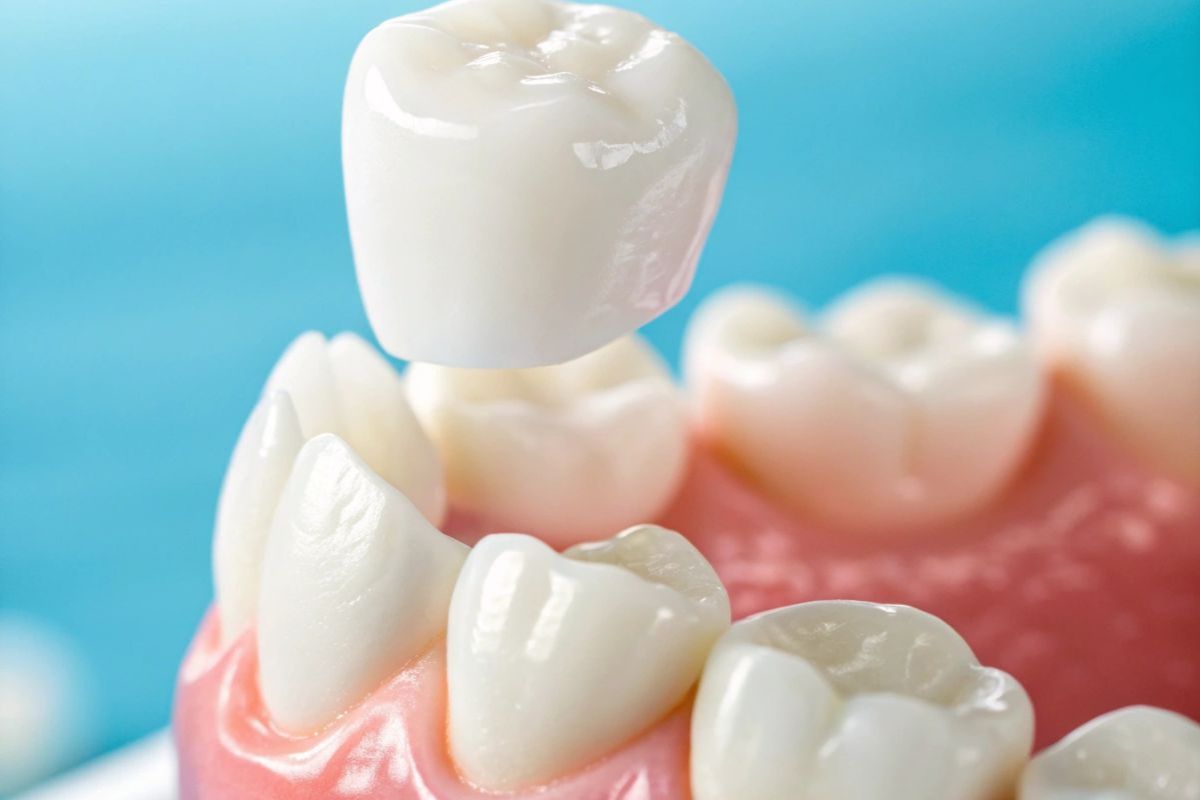
Once enamel wears away, it doesn’t regenerate. That’s where dental crowns come in—to protect and reinforce damaged teeth. Damaged teeth can benefit from our custom-fit dental crowns in Scottsdale that seamlessly blend with your real teeth, ensuring durability and a confident smile.
How Strong Are Dental Crowns?
Dental crowns are custom-made caps that cover a weakened or broken tooth, restoring its function and appearance. They are crafted from durable materials such as:
- Porcelain – Looks like natural teeth but can be slightly less resistant to heavy pressure.
- Porcelain-fused-to-metal (PFM) – A combination of aesthetics and strength.
- Zirconia – Extremely strong and long-lasting, often preferred for molars.
- Metal (Gold or Alloy) – The strongest option but not as aesthetically pleasing.
Crowns are designed to withstand daily wear and tear, making them an excellent option for restoring damaged teeth. In some cases, they can be even more resilient than natural enamel.
Crowns vs. Natural Teeth: A Strength Comparison
When comparing dental crowns to real teeth, several factors come into play:
- Durability – Real teeth can last a lifetime with proper care, but crowns typically last 10-15 years, depending on material and maintenance.
- Resistance to Decay – Crowns themselves don’t decay, but the tooth underneath is still vulnerable if oral hygiene is neglected.
- Fracture Resistance – Natural teeth can chip or crack under extreme pressure, while crowns (especially zirconia and metal ones) are more resistant to breaking.
- Sensitivity – Real teeth have nerve endings that can cause sensitivity, while crowns do not, reducing discomfort from hot or cold foods.
When Should You Consider a Dental Crown?
A dentist may recommend a dental crown if you have:
- A cracked or fractured tooth
- Severe tooth decay that a filling cannot repair
- A worn-down tooth from grinding
- A root canal-treated tooth needing reinforcement
- A dental implant requiring a replacement tooth
If you are considering dental crowns in Scottsdale, Dentistry of Old Town Scottsdale provides high-quality, long-lasting restorations tailored to your needs.
Caring for Your Dental Crowns
To maximize the lifespan of your crowns, follow these essential care tips from our Scottsdale dentist:
- Brush and floss daily to prevent decay under the crown.
- Avoid biting on hard objects like ice or nuts to prevent fractures.
- Use a nightguard if you grind your teeth.
- Visit your dentist regularly for check-ups and maintenance.
While crowns are incredibly durable, they require the same level of care as natural teeth to ensure longevity.
Are Crowns the Right Choice for You?
Dental crowns are a fantastic solution for restoring damaged teeth, offering both strength and aesthetics. While they can sometimes be stronger than natural teeth, proper care and regular dental visits are essential to maintaining their durability. If you’re looking for dental crowns in Scottsdale, visit our dental office to restore your smile with high-quality solutions.
Book an appointment today to discuss your options and keep your teeth in top shape!