7449 East Osborn Road #4 Scottsdale, Arizona 85251
Have you ever run your tongue over the roof of your mouth or along the back of your throat and wondered, “Wait, has that little bump always been there?” You aren’t alone! Most of us ignore those tiny elevations until we’re sitting in the dentist’s chair facing a tooth extraction.
Whether it’s a standard wisdom tooth removal or pulling a damaged molar, the landscape of your tongue—specifically those tiny bumps known as papillae—plays a much larger role in your recovery and oral health than you might think. Today, we’re diving into the surprising connection between tongue anatomy and dental surgery. Grab a mirror, take a look, and let’s get into the data!
What Are Tongue Bumps?
Let’s get grounded scientifically.
Your tongue isn’t smooth — it’s covered in hundreds of tiny projections called papillae, which house taste buds and help with chewing and speaking. Under typical circumstances, these bumps are normal and healthy. But when they change in size, color, or sensation, that’s when they become something worth noting.
Some common causes of small tongue bumps include:
- Transient Lingual Papillitis (“Lie Bumps”) — sudden, painful, small red or white bumps due to irritation. This condition often clears in a few days.
- Canker Sores (Aphthous Ulcers) — ulcers that cause painful bumps on the tongue. Many people (about 20% of the population) will experience these at some point.
- Oral Thrush (Candidiasis) — caused by overgrowth of Candida fungus. Around 30–60% of adults are colonized by Candida species at any time.
- Viral or Bacterial Infections — such as HSV, HPV, or herpes that can manifest with bumps or sores.
- More serious lesions, including premalignant or cancerous spots, especially if they persist.
In national surveys that assess oral health, about 14–28% of adults show at least one oral mucosal lesion — including those on the tongue — during a clinical exam.
Why Dentists Care: Bumps & Tooth Extraction Risks
So why does your dentist ask about or examine your tongue before a tooth extraction? Because oral health isn’t just “teeth” — it’s a complex ecosystem, and lesions on your tongue can influence surgical outcomes in a few key ways:
Infection Risk & Healing
Even minor soft tissue irritations can trap bacteria. While most tongue bumps are harmless, irritated or inflamed areas can harbor microbes that increase the bacterial load in your mouth. These bacteria can introduce infection into a fresh surgical site.
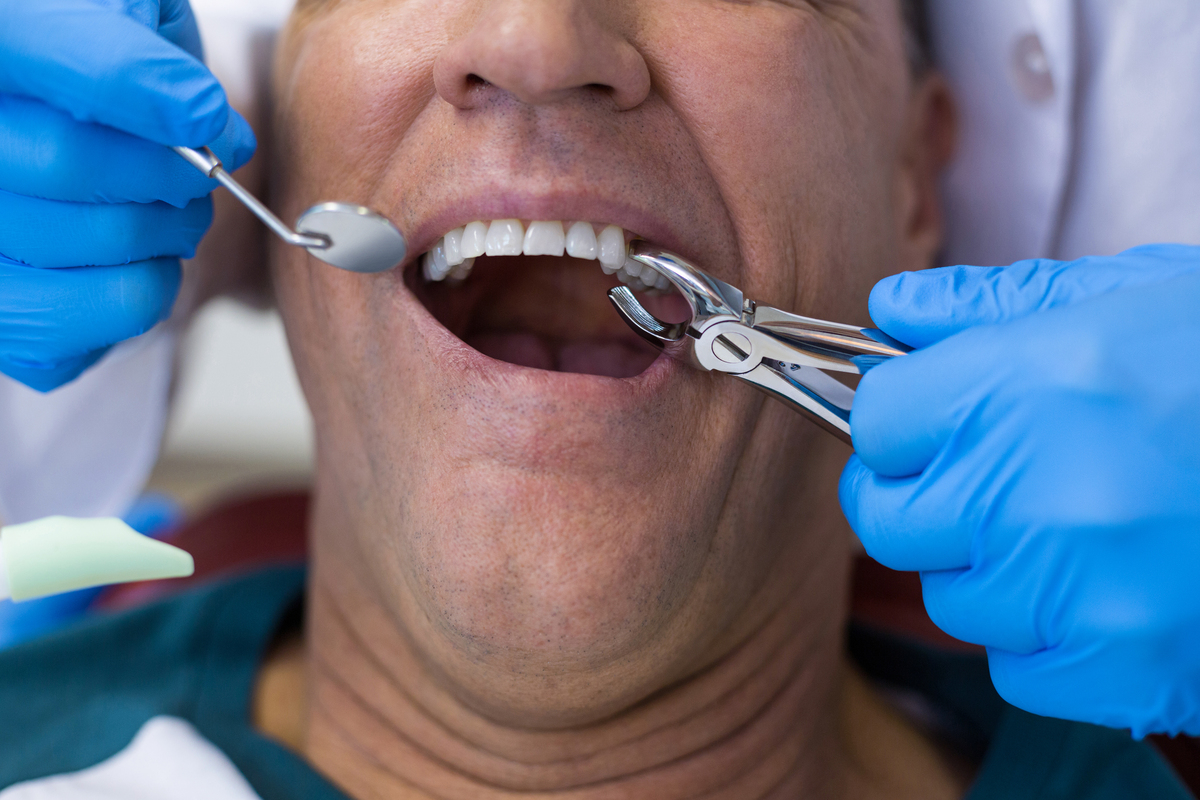
In tooth extraction surgery, the risk of infection — though relatively low — is always present. Bacteria entering the extraction socket can lead to:
- Inflammation
- Delayed wound healing
- Complications like dry socket or abscess
Dry socket can occur on its own in 0.5–5% of routine extractions and in up to 25–30% of lower wisdom tooth surgeries.
If your tongue has swelling, lesions, or crusted bumps, microbes from those lesions can more easily enter the bloodstream or surgical sites—especially during cauterization and suturing.
Surgical Visibility & Comfort
Tongue discomfort from bumps can make it harder for you to stay still or for dentists to access the surgical area comfortably. A sensitive tongue can:
- Reduce how wide you open your mouth
- Cause you to flinch or retract during prep/probing
- Distracted from optimal positioning during extraction
All of this can subtly affect surgical precision—especially in complex extractions such as impacted wisdom teeth.
Underlying Health Signals
Persistent or unusual tongue bumps sometimes reflect broader health issues, like:
- Nutritional deficiencies
- Diabetes
- Viral infections
- Immune system changes
- Potential neoplastic (pre-cancerous/cancerous) lesions
Surgeons often screen for these because systemic health risks can impact anesthesia tolerance, bleeding risk, and post-operative healing.
Oral Lesions and General Oral Health
Citing the National Health and Nutrition Examination Survey (NHANES) — one of the most comprehensive health surveys in the U.S. — oral mucosal lesions are seen in a significant percentage of adults examined.
Here are some noteworthy figures:
- 9% of adults (17+) had at least one oral mucosal lesion in the NHANES III data.
- Lesions on the dorsum (top) of the tongue accounted for 14.2% of disease sites assessed.
- Rough estimates from other clinical contexts indicate that oral lesions are present in about 18–24% of patients presenting for dental care.
Voices in the dental community emphasize that most bumps are benign, but discerning the type, location, and behavior of a lesion — especially if it’s persistent or changing — is critical to safe surgical planning.
Dentist Strategies Before Tooth Extraction
Before an extraction, dental professionals often:
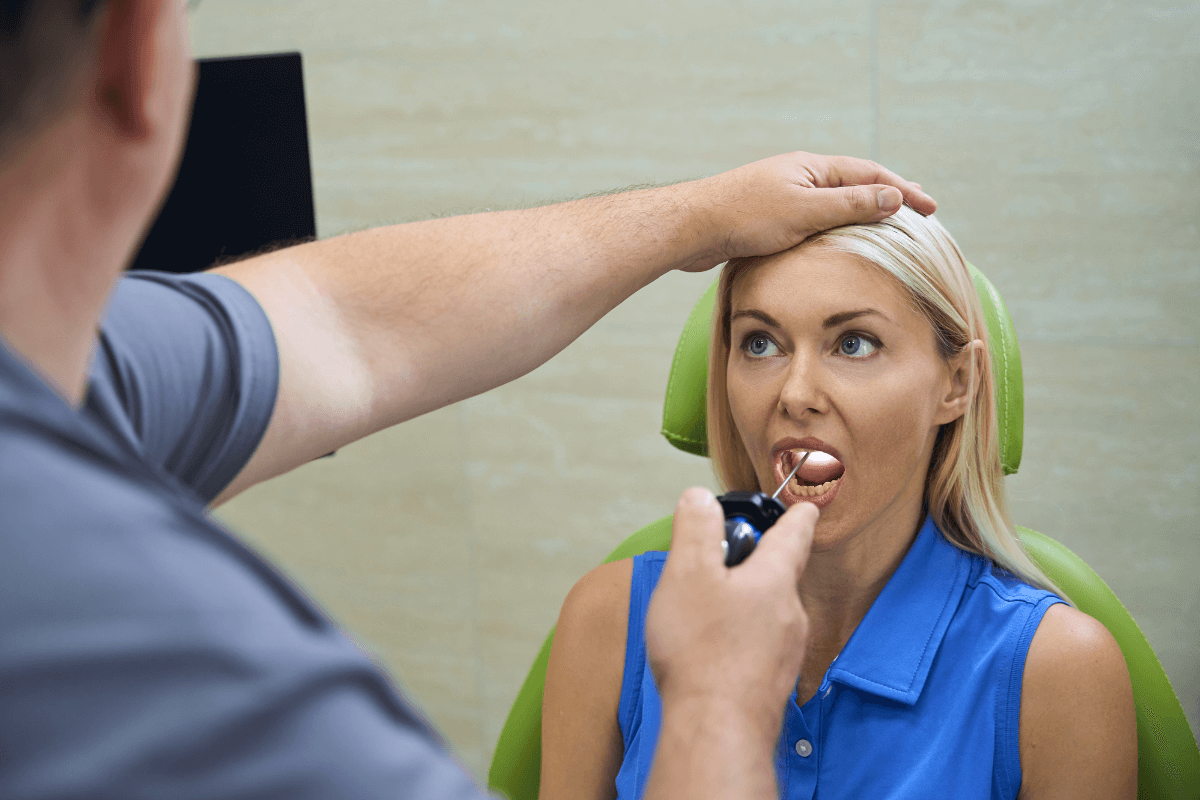
- Perform oral soft tissue exams
- Ask about pain, duration, and tongue changes
- Look for signs of infection or suspicious oral lesions
- Delay surgery if an active infection is present
- Strengthen oral hygiene before surgery
These steps help reduce complications and improve healing outcomes.
Tips for Managing Tongue Bumps Before Dental Surgery
If you’ve noticed bumps on your tongue and have a scheduled extraction, here’s what many Scottsdale dentists suggest:
- Up Your Oral Hygiene Game: Use gentle brushing, tongue cleaners, or antiseptic rinses as recommended—but be cautious if bumps are painful.
- Avoid Irritants: Spicy, acidic, or crunchy foods can aggravate tongue lesions.
- Track Duration: If a bump lasts more than 1–2 weeks, it’s worth professional evaluation.
- Tell Your Dentist: Be open about tongue discomfort, recent changes, or sore spots — even if they seem unrelated to your tooth problem.
- Address Underlying Health Issues: Systemic conditions such as diabetes or immunosuppression can affect both tongue lesions and surgical risk.
Conclusion
When it comes to tooth extraction in Scottsdale, dentists don’t just extract teeth — they assess the entire mouth’s environment to ensure a safe, predictable outcome.
Little bumps on your tongue may be common and usually benign, but they can affect the balance of oral bacteria, discomfort, and surgical field access. By understanding these risks and bringing them up with your local certified dentist in Scottsdale early, you help ensure cleaner surgical conditions, fewer complications, and a smoother healing process.
Remember: your tongue tells a story about your oral health — and your dentist wants to hear it before going ahead with a procedure as significant as a tooth extraction.
Frequently Asked Questions
- Can a small bump on my tongue really delay my tooth extraction appointment?
Yes — if the bump is inflamed or clinically suspicious, dentists may delay extraction until it’s evaluated or healed to lower the risk of infection and improve surgical predictability. - How long should tongue bumps last before I worry?
Most benign bumps resolve in a few days. If yours lasts more than 1–2 weeks, becomes larger, is painless, or changes color, get it checked. - Do tongue bumps often mean something serious, like cancer?
Most bumps are harmless, but persistent, hard, painless lesions — especially on the sides of the tongue — can be concerning and warrant professional evaluation. - Will having a tongue bump increase my risk of dry socket after extraction?
Indirectly, yes — because inflamed or bacterial-laden areas can increase local microbial load, possibly affecting socket healing if infection sets in. - What should I tell my dentist when I notice tongue bumps before surgery?
Explain the duration, pain level, any change in appearance, and whether the bumps are spreading. This helps your dental team assess surgical readiness and plan for the safest extraction possible.