7449 East Osborn Road #4 Scottsdale, Arizona 85251

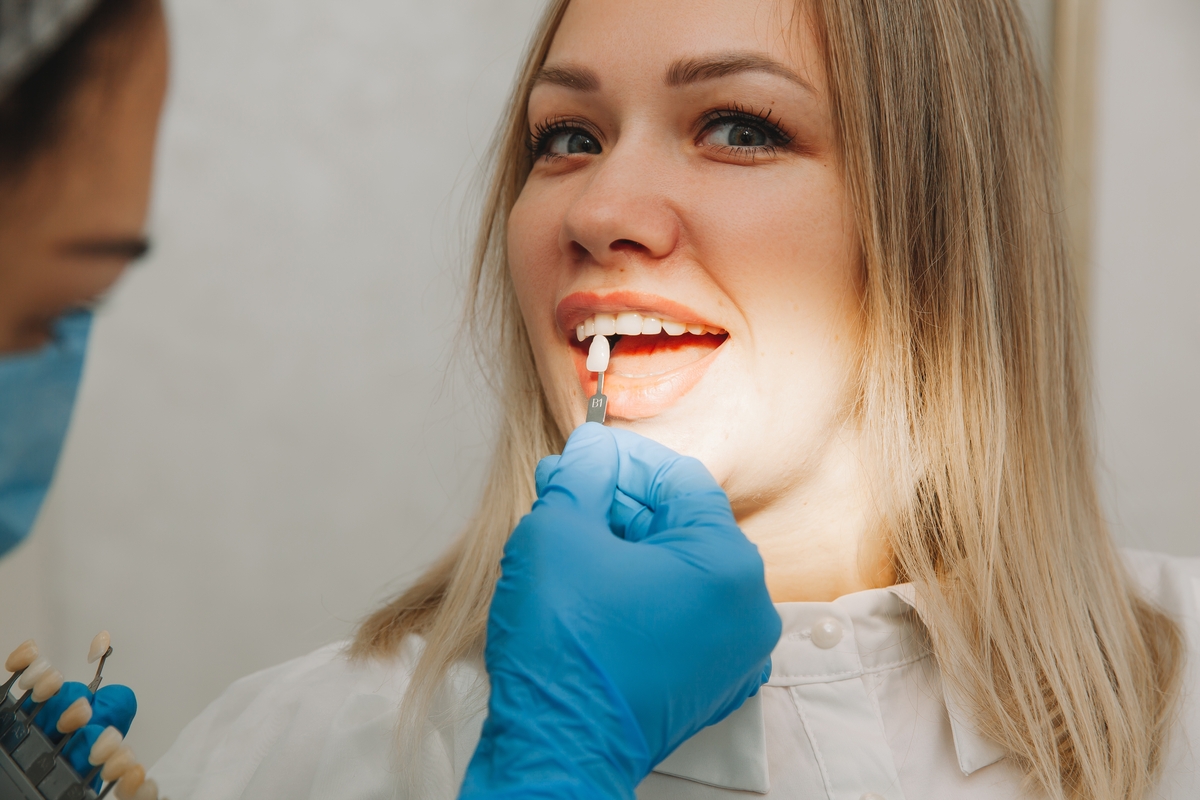
So, you’ve finally done it! You’ve invested in that “Hollywood Smile,” and let’s be honest—you look fantastic. Whether you choose porcelain for its glass-like luster or composite for a quick transformation, those veneers are a game-changer for your confidence. But now that the initial “wow” factor has settled in, a tiny voice in your head is probably asking: Wait, how do I actually keep these things looking this good?
The demand for dental veneers skyrocketed, with procedures increasing by 250% compared to previous years as more Americans prioritize “preventative cosmetic work”. But here is the catch: while veneers can’t get cavities, the teeth underneath them can, and the gums supporting them certainly can.
If you want your investment to last the full 15 to 20 years they are designed for, you need more than just a quick brush. We sat down with top cosmetic experts to bring you the ultimate guide on veneer maintenance. Ready to keep that smile sparkling? Let’s dive in.
What Are Dental Veneers?
Before cleaning tips, it helps to know what you’re caring for.
- Veneers are ultra-thin shells bonded to the front of teeth to enhance your smile. They correct discoloration, chips, minor misalignments, and gaps.
- There are two main types: porcelain veneers — durable and stain-resistant — and composite resin veneers — less expensive, easier to repair, but more prone to staining.
- Dental veneers can last 10–15 years or more with proper care, while composite options typically last around 5–7 years.
But longevity isn’t just about materials — it’s about how you clean and care for them every day.
Why Proper Cleaning Matters?
You might think veneers don’t need cleaning the way natural teeth do — after all, they don’t get cavities, right? Not exactly.
The veneer shell itself doesn’t decay like enamel, but the natural tooth underneath and the surrounding gums absolutely can. Plaque buildup leads to gum inflammation and bad breath, and it can compromise the bonding material that holds veneers in place. Improper care also dulls their appearance and can shorten their lifespan.
Daily Cleaning Routine
Brush Gently, Twice a Day
Here’s your daily starter pack:
- Use a soft-bristled toothbrush — hard bristles can scratch veneer surfaces, causing dullness.
- Use a non-abrasive toothpaste. Avoid whitening toothpastes with harsh abrasives that can fog up the glossy veneer surface over time.
Pro tip: Brush in gentle, small circles, getting all the way to the gum line. It only takes a couple of minutes and makes a big difference.
Floss Daily
Brushing alone can’t reach the tight spaces between your teeth where plaque and food debris hide.
- Floss at least once per day to prevent tartar buildup around veneers and adjacent natural teeth.
- Use gentle motion — snapping floss down can damage soft gums and edges over time.
Bonus: A water flosser can be a great tool if traditional floss makes you nervous about getting it into the tight spaces around your veneers.
Rinse with the Right Mouthwash
Mouthwash does more than freshen breath.
Cosmetic dentist in Scottsdale recommends:
- Alcohol-free antibacterial rinses — alcohol can dry out the mouth and weaken the bonding resin, increasing the risk of staining and gum inflammation.
Swishing daily or after meals helps reduce bacteria without compromising veneer bonds.
Food, Drinks & Habits: What To Avoid?
Limit Staining Beverages and Foods
Porcelain veneers are more stain-resistant than natural enamel, but the margins where they meet the tooth and surrounding natural teeth can still discolor.
Avoid or moderate:
- Coffee, tea, red wine
- Berries, dark sauces, soy sauce
- Dark sodas
When you indulge, rinse your mouth with water afterward or drink through a straw to minimize contact.
Skip Hard or Sticky Foods
Veneers are strong, but they aren’t indestructible.
Avoid:
- Ice cubes and hard candy
- Nuts and hard bread crusts
- Sticky caramel or taffy
Using your teeth to open packages or bite fingernails also puts undue stress on them.
Quit Smoking, Reduce Tannins
Smoking stains both natural teeth and the margins of veneers. Tobacco and foods with high tannin content not only discolor teeth over time but can also contribute to gum disease.
Protect Your Veneers — The Dentist’s Tips
Cleaning isn’t just about brushing — it’s about protection.
Wear a Mouthguard for Sports or Grinding
- If you play contact sports, a custom athletic mouthguard can prevent chips and cracks.
- If you grind your teeth at night (bruxism), consider a nightguard — bruxism has been linked to significantly higher veneer complications without protection.
Schedule Regular Professional Cleanings
Even the best home care can’t remove tartar that builds up over months.
- Visit your qualified local dentist in Scottsdale every 6 months for a professional cleaning and a check-up of your veneers.
- Hygienists use veneer-safe polishing paste that won’t scratch or dull surfaces.
Routine visits also help catch potential issues — like minor chips or gum irritation — before they become major problems.
How Cleaning and Care Lead to Longer-Lasting Veneers?
Let’s look at what science says about how well veneers perform — and how care impacts that.
High Success with Good Maintenance
- Porcelain veneers that bond primarily to enamel show up to a 99% survival and success rate in clinical studies.
- In one long-term study, ceramic veneers had an estimated 96% 15-year survival rate when carefully bonded, underscoring that longevity is absolutely achievable with proper care.
- Routine professional care can extend the life of veneers by up to 30% compared with inconsistent maintenance.
Compare that to veneers with poor hygiene, where staining, bond breakdown, gum disease, or plaque buildup can compromise the bond and shorten lifespan.
Common Veneer Myths Debunked
Let’s clear up a few misconceptions you might have heard:
- “Veneers don’t stain at all.”
They’re more stain-resistant than natural enamel, but they can still discolor around edges if you don’t manage your diet and oral hygiene. - “Brushing harder cleans better.”
No — harder brushing causes micro-scratches and dulls the surface. Gentleness is better. - “Once veneers are on, you don’t need to see a dentist regularly.”
Professional care is essential — for polishing, gum checks, and early problem detection.
Conclusion
Dental veneers are more than a cosmetic luxury — they’re a lasting investment in your smile and confidence. But like all investments, the return depends on how well you take care of them.
With a consistent daily cleaning routine, smart food and drink choices, protective habits like mouthguards and regular professional check-ups, you maximize both beauty and lifespan. The data is clear: meticulously cared-for veneers can last well over a decade, providing stunning results and healthy gums along the way.
So brush gently, floss daily, and treat your veneers like the precious smile they help create — and your smile will shine for years.
Frequently Asked Questions
- Can I brush veneers like normal teeth?
Absolutely — but use a soft-bristled brush and non-abrasive toothpaste. Harsh abrasives and hard brushing can dull the veneer surface. - How often should I see my dentist with veneers?
Every six months is the general recommendation, though some patients, especially those prone to staining or gum issues, may benefit from more frequent visits. - Will coffee ruin my veneers?
Coffee won’t ruin them immediately, but frequent use without rinsing can cause stains over time. Drink water afterward or use a straw to limit contact. - What if my veneers chip or crack?
Small chips can often be addressed with dental bonding; larger damage may require replacement. Prompt dental care can minimize long-term problems. - Are there cleaning products I should avoid?
Yes — avoid abrasive whitening toothpastes and alcohol-based mouthwashes, as they can scratch surfaces and weaken bonding.