7449 East Osborn Road #4 Scottsdale, Arizona 85251
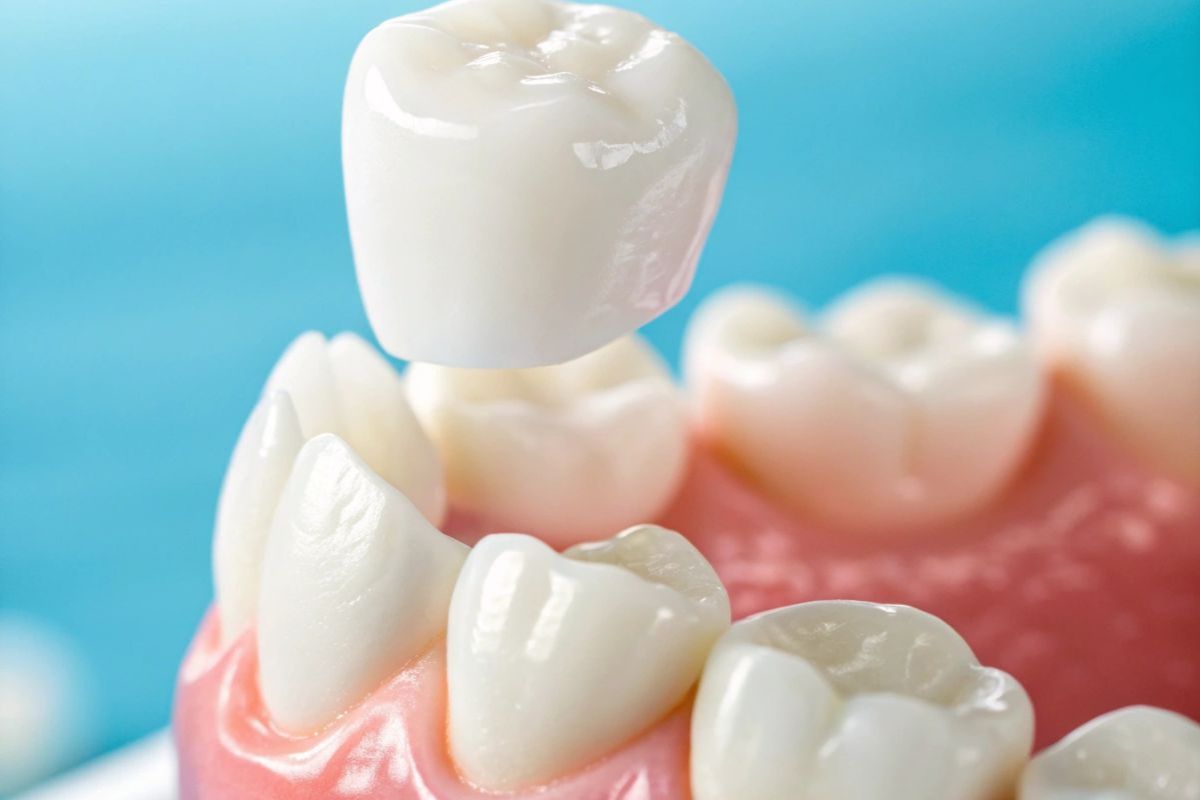
When a dentist recommends a dental crown, one of the most common questions patients ask is whether a significant amount of their natural tooth must be removed. It is a reasonable concern. After all, preserving healthy tooth structure is important for long-term oral health. Understanding how traditional crowns work, why tooth preparation is necessary, and what modern dentistry does to conserve natural enamel can help you feel more confident about your treatment decisions.
Why Does a Traditional Crown Require Tooth Preparation?
A traditional dental crown is designed to completely cover a damaged, weakened, or heavily restored tooth. To create enough space for the crown material, the dentist must carefully reshape the tooth by removing a portion of the outer structure.
The amount removed is not arbitrary. It is precisely measured to ensure:
- Proper fit and comfort
- Adequate strength of the crown
- Natural appearance
- Healthy bite alignment
- Long-lasting restoration results
The goal is always to preserve as much healthy tooth structure as possible while creating a stable foundation for the restoration.
How Much Tooth Structure Is Typically Removed?
The exact amount depends on several factors, including the type of crown material, the condition of the tooth, and its location in the mouth.
General Tooth Reduction Guidelines
| Crown Material | Approximate Reduction |
|---|---|
| Porcelain Crown | 1.5–2.0 mm |
| Zirconia Crown | 1.0–1.5 mm |
| Porcelain-Fused-to-Metal Crown | 1.5–2.0 mm |
| Gold Crown | 0.5–1.5 mm |
These measurements may vary based on the patient’s individual needs. Modern digital treatment planning allows dentists to remove only what is necessary while maintaining the tooth’s structural integrity.
Why Different Materials Require Different Amounts of Reduction
Some crown materials require more thickness to withstand chewing forces and provide natural aesthetics. For example, all-ceramic and porcelain crowns often need slightly more room than metal restorations.
Advanced materials such as zirconia have improved the ability to conserve healthy tooth structure because they can remain strong even at thinner dimensions.
What Happens During Crown Preparation?
The crown preparation process is carefully performed to protect healthy tissue while ensuring the final restoration fits properly.
Step 1: Evaluation and Examination
The dentist first evaluates the tooth using clinical examinations and digital imaging. Existing decay, fractures, old fillings, and overall tooth health are assessed before treatment begins.
Step 2: Removal of Damaged Areas
Any decay or compromised tooth structure is removed. This helps create a healthy foundation for the crown.
Step 3: Tooth Reshaping
The outer surfaces of the tooth are gently reduced. The amount removed is distributed evenly around the tooth to create space for the restoration.
Step 4: Digital or Traditional Impressions
Accurate impressions help ensure the final crown fits comfortably and functions naturally.
Does Removing Tooth Structure Weaken the Tooth?
This is a common concern among patients. While some natural structure must be removed, the crown itself is designed to reinforce and protect the remaining tooth.
A properly placed crown can:
- Strengthen weakened teeth
- Prevent further fractures
- Restore chewing function
- Protect teeth after root canal therapy
- Improve long-term durability
When treatment is planned correctly, the crown becomes a protective outer shell that supports the remaining natural tooth.
Are Modern Dentists More Conservative Than Before?
Yes. Advances in dental technology have significantly improved conservative treatment approaches.
Many practices now utilize:
- Digital scanning
- High-strength ceramic materials
- Precision imaging
- Computer-aided crown design
- Minimally invasive techniques
These innovations help preserve healthy enamel whenever possible.
Patients seeking dental crowns in Scottsdale often benefit from these modern techniques because many local dental offices have incorporated advanced technology into their restorative treatment protocols.
Factors That Influence How Much Tooth Is Removed
Not every crown preparation looks the same. Several factors determine the amount of reduction required.
Existing Tooth Damage
A severely fractured tooth may already be missing significant structure, requiring additional preparation to create a stable shape.
Crown Material Selection
Different materials have varying thickness requirements for strength and aesthetics.
Tooth Location
Back teeth typically endure stronger chewing forces than front teeth. As a result, molars may require different preparation designs.
Bite Alignment
Patients with heavy bite forces, grinding habits, or bite irregularities may require specific crown preparations to ensure long-term success.
Can a Crown Be Placed Without Significant Tooth Reduction?
In certain situations, alternative restorations may preserve more natural tooth structure.
Possible Conservative Alternatives
Dental Veneers
Suitable for cosmetic improvements affecting primarily the front surface of teeth.
Dental Onlays
Cover only a portion of the tooth rather than the entire structure.
Inlays
Restore damaged areas within the chewing surface.
However, these options are not appropriate for every situation. A crown remains the preferred solution when extensive protection and strength are needed.
How Long Does a Crown-Protected Tooth Last?
The longevity of a crowned tooth depends on several factors:
- Oral hygiene habits
- Regular dental visits
- Bite forces
- Crown material
- Overall dental health
With proper care, many crowns provide years of reliable function while protecting the underlying tooth from additional damage.
What Questions Should You Ask Before Getting a Crown?
Being informed helps you make confident treatment decisions. Consider asking:
Will all healthy tooth structure be preserved whenever possible?
A reputable dentist will explain their conservative treatment philosophy.
What crown material is best for my situation?
Different materials offer unique advantages depending on your clinical needs.
Are there alternatives to a crown?
In some cases, less extensive restorations may be available.
How will the crown affect my bite?
Proper bite alignment is essential for comfort and long-term success.
For patients who value a personalized approach, Dr. Brittain and other experienced restorative dentists often discuss these factors in detail before treatment begins.
Trending FAQs About Traditional Dental Crowns
Frequently Asked Questions
- How much of my tooth is shaved down for a crown?
Typically between 0.5 mm and 2 mm depending on the crown material and condition of the tooth. - Is crown preparation painful?
Most patients experience little to no discomfort because local anesthesia is used during the procedure. - Can a crown be placed on a cracked tooth?
Yes. Crowns are commonly used to protect and strengthen cracked or weakened teeth. - Will my tooth be sensitive after crown preparation?
Some temporary sensitivity is normal, but it usually resolves after the permanent crown is placed. - Do crowns protect teeth from future damage?
Yes. Crowns help shield weakened teeth from fractures and excessive wear. - Can a crown look natural?
Modern ceramic and zirconia crowns are designed to closely match the appearance of natural teeth.
If you are researching treatment options and if you are searching for a dentist near Scottsdale, AZ, understanding the preparation process can help you ask informed questions and feel more comfortable during your consultation.
Making an Informed Decision About Crown Treatment
The amount of natural tooth structure removed for a traditional crown is carefully planned and tailored to each patient. Modern restorative dentistry focuses on balancing protection, function, and conservation of healthy tooth tissue. Every treatment plan should be based on the unique condition of the tooth and the patient’s long-term oral health goals. If you have questions about crown preparation, restoration options, or protecting a damaged tooth, contact us to schedule a professional evaluation and discuss the most appropriate treatment for your needs.
A traditional crown does require some reshaping of the natural tooth, but the process is performed with precision and purpose. By preserving as much healthy structure as possible while creating a durable restoration, dentists can help patients maintain strong, functional, and healthy smiles for years to come.