7449 East Osborn Road #4 Scottsdale, Arizona 85251

A cracked tooth, deep cavity, or broken molar can make eating uncomfortable. For families and adults in Scottsdale, choosing between a crown and filling often raises questions about durability, tooth protection, and long-term results.
At Dentistry of Old Town Scottsdale, Dr. Brittain evaluates damaged teeth to determine which restoration can preserve their function. Consulting a Scottsdale, AZ dentist can help you understand whether dental crowns or dental fillings are appropriate for your condition.
Dental Crown vs. Filling: What Is the Main Difference?
Both treatments repair damaged teeth, but they address different levels of structural damage.
Dental fillings replace small portions of tooth structure lost to decay or minor damage. They restore the affected area while preserving most of the natural tooth.
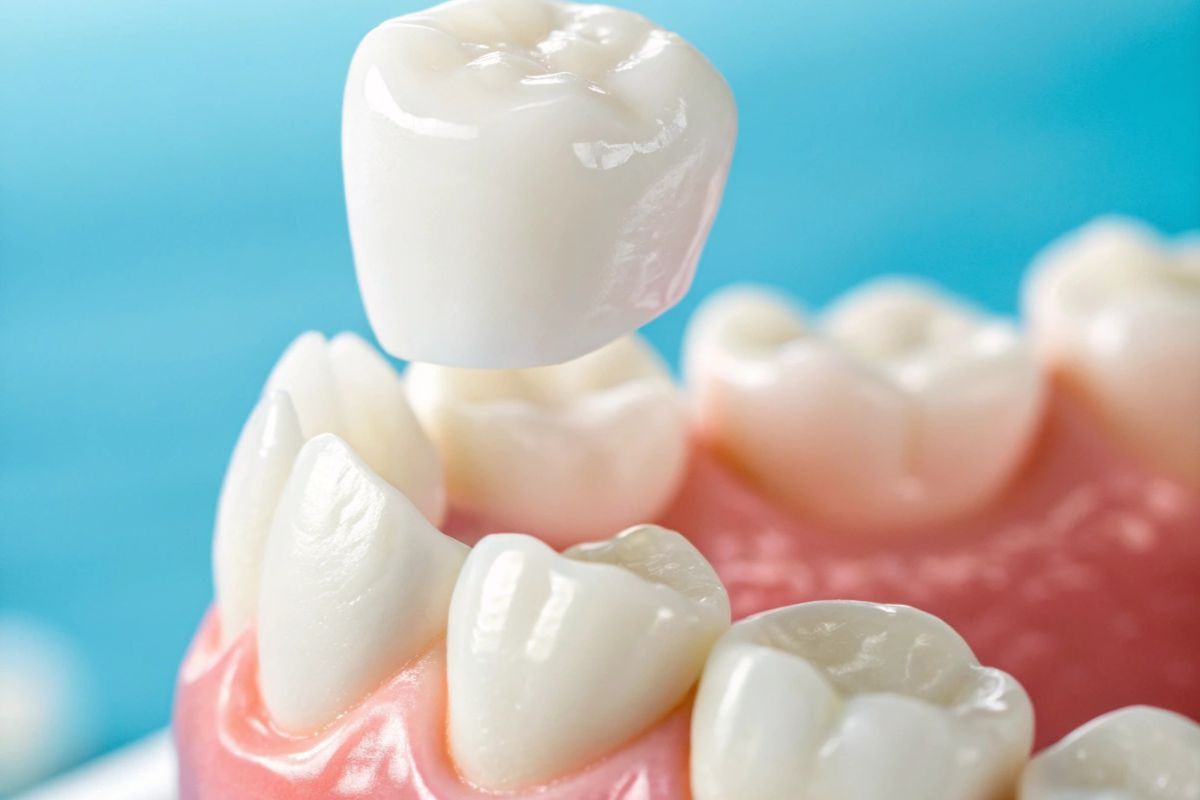
Dental crowns cover the visible portion of a tooth above the gumline. They provide broader protection when the remaining tooth structure cannot reliably support a filling.
The decision depends primarily on how much healthy tooth structure remains.
When Is a Dental Filling the Right Choice?
A filling is generally recommended when tooth decay or damage affects a limited area.
During treatment, the dentist removes the decayed tissue, cleans the cavity, and places restorative material.
Signs You May Need a Filling
- Small or moderate cavities.
- Minor chips without significant structural damage.
- Localized decay affecting a limited area.
- An existing filling that requires replacement.
Tooth-colored composite materials can blend with surrounding enamel while restoring normal chewing function.
Dental fillings also require less tooth preparation than full-coverage restorations in many cases.
However, placing a large filling in a severely weakened tooth may increase the risk of future fractures.
When Does a Damaged Tooth Need a Crown?
Dental crowns are commonly recommended when a tooth requires additional structural protection.
Unlike a filling, a crown surrounds the remaining visible tooth structure and helps distribute chewing forces.
Conditions That May Require a Crown
- Large cavities: Extensive decay leaves insufficient healthy structure for a conventional filling.
- Cracked teeth: Certain fractures require coverage to reduce movement during chewing.
- Broken molars: Missing cusps can weaken teeth under heavy biting pressure.
- Root canal treatment: Back teeth frequently require crowns after treatment because of structural weakness.
- Severe tooth wear: Grinding or erosion may compromise normal tooth shape and function.
A crown cannot repair every fracture. Teeth with deep cracks extending into the root may require different treatment.
Dental Crown vs. Filling: Comparing Important Factors
| Factor | Filling | Crown |
| Tooth damage | Minor to moderate | Extensive damage |
| Coverage | Repairs a specific area | Covers the visible tooth |
| Tooth preparation | Usually less extensive | Requires shaping |
| Procedure | Often one appointment | One or more appointments |
| Durability | Depends on size and material | Designed for substantial chewing forces |
| Appearance | Tooth-colored options available | Natural-looking porcelain options |
Both treatments can provide lasting results when selected appropriately.
Which Restoration Lasts Longer?
The lifespan of dental fillings depends on the material, restoration size, oral hygiene, and chewing pressure.
Composite restorations often last several years, while other materials may remain functional longer.
Tooth crowns commonly last 5 to 15 years or longer, depending on their material and maintenance.
Neither treatment lasts indefinitely.
Regular dental examinations help identify worn restorations, recurrent decay, and changes in bite alignment before additional damage develops.
Why Consider Porcelain Crowns for Damaged Teeth?
Patients searching for “dental crowns near me” often want a restoration that protects their tooth without noticeably changing their smile.
Our Scottsdale dental office provides custom porcelain restorations that mimic natural enamel.
These restorations offer several advantages:
- Protect weakened tooth structure.
- Restore normal chewing surfaces.
- Improve the appearance of broken teeth.
- Provide a natural-looking color match.
- Help preserve teeth that remain restorable.
Our practice also offers CEREC technology, which lets eligible patients receive a custom ceramic crown in a single appointment.
This can reduce the need for temporary restorations and return visits.
How Does The Dentist Determine the Right Treatment?
A clinical examination is necessary before choosing between dental fillings and full-coverage restorations.
Our dentist evaluates:
- The extent and location of tooth decay.
- How much healthy enamel and dentin remains.
- Existing cracks or fractures.
- Previous restorations and root canal treatment.
- Chewing forces and signs of teeth grinding.
Dental X-rays can identify decay beneath existing restorations or problems not visible during an exam.
When substantial tooth structure remains, a filling may be sufficient. When the tooth is structurally compromised, a crown may provide more predictable protection.
Give Your Damaged Tooth the Protection It Deserves
Choosing between a crown and filling depends on your tooth’s condition, not simply personal preference.
If your tooth is cracked, weakened, or severely decayed, dental crowns may provide the additional protection needed to restore comfortable chewing and preserve your natural smile.
Call 480-719-6994 to book an appointment at our Scottsdale dental office. Our team can evaluate your damaged tooth, explain your restoration options, and help you take the next step toward a healthier smile.
Frequently Asked Questions
1. Is a Crown Better Than a Filling for a Cracked Tooth?
It depends on the crack’s location and severity. Minor damage may be repairable with a filling, while weakened teeth often need greater coverage. A dental examination can determine whether the tooth requires a crown or another procedure.
2. Can a Large Cavity Be Treated With a Filling?
Some larger cavities can be restored with fillings. However, extensive decay may leave insufficient tooth structure to withstand chewing pressure. Your dentist can assess the remaining tooth and recommend a restoration that supports long-term function.
3. Is Getting a Crown More Painful Than Getting a Filling?
Both procedures generally involve local anesthesia to minimize discomfort. Crown preparation may require more extensive tooth shaping. Mild sensitivity can occur afterward, but persistent pain should be evaluated by your dental office.
4. Can a Crown Save a Severely Damaged Tooth?
A crown can protect many weakened teeth when sufficient healthy structure remains. However, extensive fractures, severe decay, or advanced infection may require additional treatment. An examination helps determine whether the natural tooth can be preserved.
5. Does Dental Insurance Cover Crowns and Fillings?
Many dental insurance plans cover medically necessary restorative procedures. Coverage percentages, deductibles, and annual limits vary. A dental consultation and insurance review can help clarify treatment expenses before you proceed.
6. How Do I Know Whether My Tooth Needs a Crown?
Warning signs include a broken cusp, extensive decay, a large failing restoration, or discomfort when biting. These symptoms don’t always mean you need a crown. A clinical examination and appropriate imaging can identify the underlying problem.