7449 East Osborn Road #4 Scottsdale, Arizona 85251

If you live in Scottsdale and have been thinking about straightening your teeth without metal braces, there’s a good chance you’ve already typed Invisalign near me into Google. Most of what you’ll find covers how clear aligners work and how discreet they are. Far fewer pages answer a question that matters just as much: is your mouth ready for them?
The short answer is that Invisalign works best when your teeth and gums are healthy to begin with. Here’s what that means, why it matters, and what happens if your exam turns up something that needs attention first.
The Short Answer: Yes, Your Mouth Should Be Healthy First
At Dentistry of Old Town Scottsdale, the list of what makes someone a good Invisalign candidate includes having good oral health, specifically no untreated tooth decay and no active gum disease.
That doesn’t mean you need a perfect smile. If you did, you wouldn’t be looking at straightening your teeth in the first place. It means that any cavities or gum problems should be dealt with before aligners go in, not ignored while your teeth are being moved.
What “Good Oral Health” Actually Means
It comes down to two things:
- No untreated decay. If you have a cavity that hasn’t been filled, it needs to be treated first.
- No active gum disease. If gum disease is active, it should be addressed before treatment begins.
If you haven’t seen a dentist in a while, you may not know where you stand. That’s completely normal, and it’s exactly what an exam is for.
Why It Makes Sense to Fix Problems Before Straightening
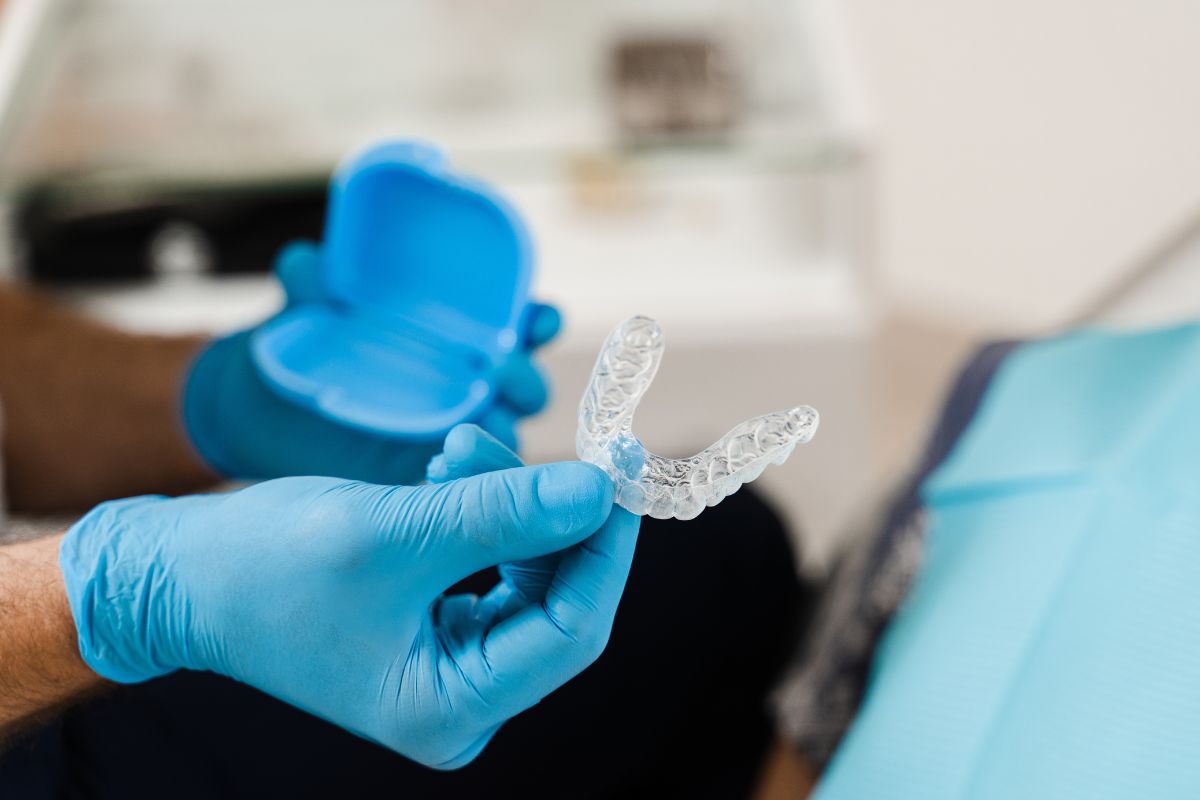
Invisalign works gradually. You wear a series of soft plastic aligners and switch to a new set about every one to two weeks, so your teeth move a little at a time. Treatment can run for many months, depending on how complex your case is.
Because treatment is a long-term commitment, it makes sense to begin with a mouth that’s in good shape. Starting aligners while a cavity or gum issue is still sitting there means you’d be straightening teeth that still need repair. Taking care of those problems first gives your treatment a stronger starting point.
The Rest of the Candidate Checklist
Healthy teeth and gums are one item on a short list. According to our Invisalign page, you may be a good candidate if you:
- Have mild to moderate crowding, spacing, or bite issues
- Want a discreet option that won’t affect your appearance at work or at social events
- Are willing to wear your aligners 20 to 22 hours a day
- Have good oral health, with no untreated decay or active gum disease
- Want a removable option that fits your normal hygiene routine
Invisalign is described as highly effective for mild to moderate issues. More severe cases may still call for traditional braces, which is something your dentist will walk you through after looking at your teeth.
How Invisalign Fits Into Your Daily Hygiene
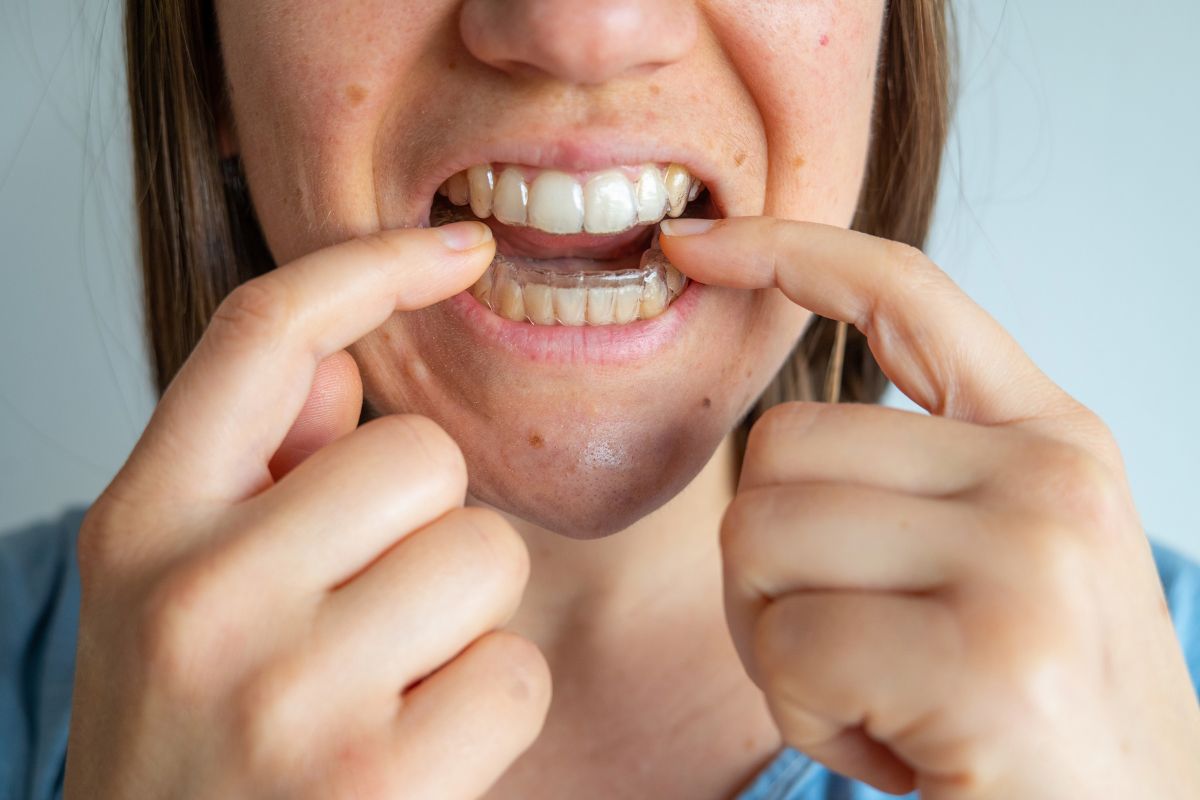
One of the best things about clear aligners is that they come out. Without wires or brackets, you can remove them to eat, brush, and floss, so your normal routine stays the same. You also don’t have to give up your favorite foods.
A few habits are worth keeping in mind:
- Wear them 20 to 22 hours a day. Take them out only for meals, brushing, and flossing.
- Remove them for anything other than water. This helps prevent staining and damage to the aligners.
- Keep up the basics. Brushing twice a day and flossing once a day protects the healthy mouth you started with.
- Don’t skip your checkups. Dental exams every six months help catch small problems before they become big ones.

What If Your Exam Finds a Problem?
Finding a cavity or gum issue before starting Invisalign isn’t bad news. It’s the reason the exam comes first.
Our office provides the general and periodontal care that many of these situations call for. That includes fillings (with tooth-colored options), cleanings, periodontal cleaning, and scaling and root planing. You can have everything looked at in one place, with a dentist who already knows your teeth and your treatment goals.
Choosing Who Handles Your Treatment
Many people in Scottsdale start with a quick search for a dentist near me and then narrow it down from there. When the goal is Invisalign, it helps to look for a practice that checks your overall oral health, not just your bite.
A good Scottsdale AZ Dentist will take a full look at your teeth and gums, explain what’s going on in plain language, and tell you honestly whether Invisalign is right for you right now or whether something else should come first. Dr. Brittain recommends Invisalign for patients who want to avoid traditional braces, and a consultation is the best way to find out whether it fits your situation. You can read more about the treatment on our Invisalign page.
Ready to Find Out If You’re a Candidate?
If you’re not sure whether your teeth and gums are ready for aligners, the easiest way to find out is to come in for a consultation. We’ll look at your oral health, talk through your goals, and give you a clear answer on your options.
Wondering if your smile is ready for clear aligners? Call us at (480) 719-6994 to schedule your Invisalign consultation with Dr. Brittain.
Frequently Asked Questions
Q: Can I get Invisalign if I have a cavity?
A: Untreated decay should be taken care of first. Good oral health, meaning no untreated decay and no active gum disease, is one of the things that makes someone a good Invisalign candidate.
Q: Does gum disease rule me out for Invisalign permanently?
A: Active gum disease needs to be addressed before treatment starts. Our office offers periodontal care, including periodontal cleaning and scaling and root planing, so your dentist can recommend the right next step after an exam.
Q: How many hours a day do I need to wear my aligners?
A: About 20 to 22 hours a day. You remove them only to eat, brush, and floss.
Q: Can I eat and drink normally with Invisalign?
A: Because the aligners are removable, you don’t have to give up your favorite foods. Take them out before eating, and remove them before drinking anything other than water to help prevent staining and damage.
Q: Is Invisalign right for every type of bite or crowding issue?
A: Invisalign is highly effective for mild to moderate issues such as crowding, gaps, overbite, and underbite. Severe cases may still require traditional braces, and a consultation will show which option suits you.