7449 East Osborn Road #4 Scottsdale, Arizona 85251
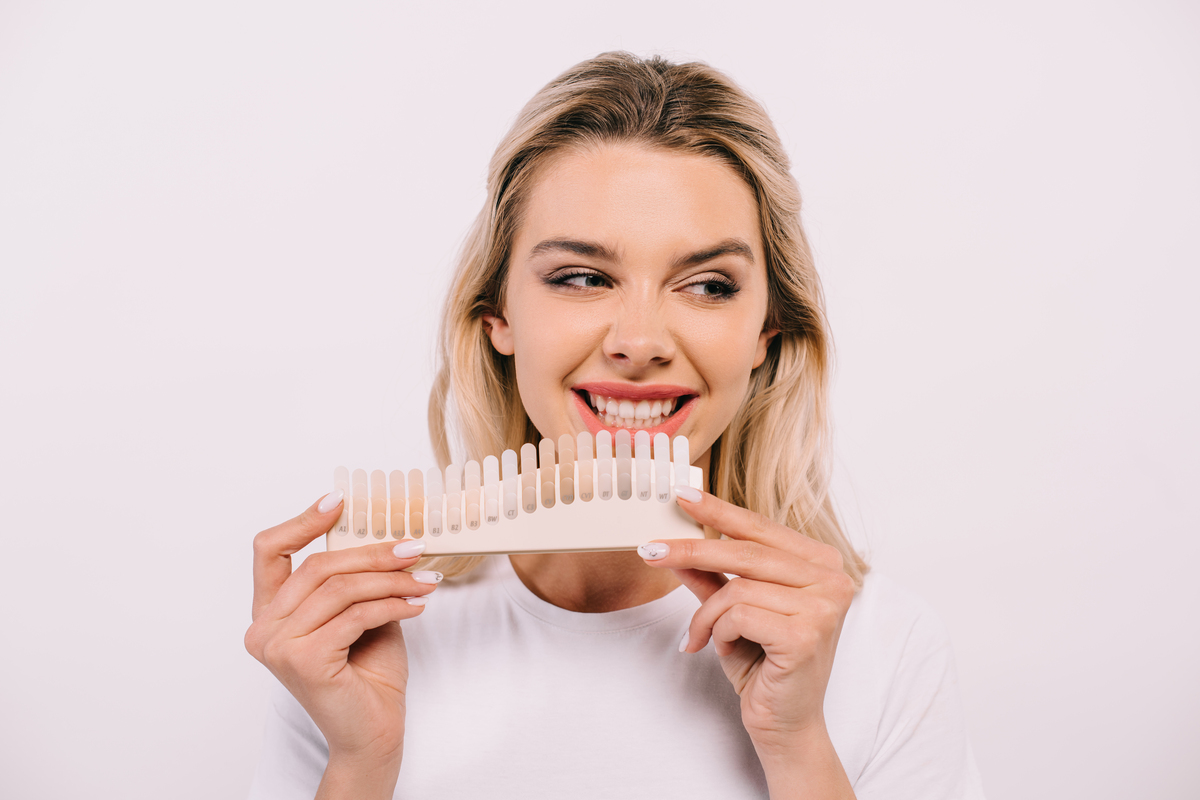
When you look in the mirror, what’s the first thing you notice about your smile? Is it a lingering coffee stain from this morning’s latte, or is it something a bit more permanent, like a small chip or a gap you’ve always wanted to close?
If you’re dreaming of a “Hollywood smile,” you’ve likely narrowed your choices down to two heavy hitters: Porcelain Veneers and Professional Teeth Whitening. But here is the real question: are you looking for a quick “refresh” or a total “transformation”?
In this guide, we’re diving into the latest 2026 data, costs, and clinical results to help you decide which investment will actually give you the smile of your dreams.
Cosmetic dentistry is booming in the United States. According to the American Dental Association (ADA), the teeth-whitening industry alone is projected to reach $8.21 billion by the end of 2026. Meanwhile, demand for porcelain veneers has surged, with millennials and Gen Z now accounting for over 55% of patients seeking veneer corrections.
Whether it’s the “Zoom Effect” or social media influence, more Americans than ever are investing in their dental aesthetics. But “popular” doesn’t always mean “right for you.” Let’s break down the data.
Understanding the Cosmetic Dentistry Landscape
Before diving into options, let’s get a snapshot of what’s going on in the cosmetic dentistry world:
- Cosmetic dental procedures — including whitening and veneers — have grown in popularity as more Americans prioritize aesthetic dental treatments.
- People want solutions that are either fast, like whitening, or long-lasting, like porcelain veneers.
Why? Because confidence in your smile can affect everything from social interactions to job prospects.
What Is Teeth Whitening? Quick, Simple, But Temporary
Teeth whitening is a cosmetic dental treatment that uses bleaching agents to brighten discolored teeth.
Types of Whitening
There are typically three approaches:
- In-office professional whitening – Done by a dentist, more powerful and faster.
- Dentist-supervised take-home trays – Custom molds you use at home.
- Over-the-counter whitening kits – Least effective, but lowest cost.
How Long Do Results Last?
Professional whitening results do not last forever. On average:
- Professional whitening — 1 to 3 years before noticeable fading.
- At-home cleaning or over-the-counter products — 3 to 6 months before significant staining can return.
Unlike veneers, whitening doesn’t fix the structure of teeth. It only affects the color.
Pros and Cons of Whitening
Pros
- Non-invasive — no enamel removal required
- More affordable upfront
- Quick and easy results
Cons
- Temporary results — fade within 1-3 years
- Doesn’t fix shape, gaps, or structural issues
- Sensitive teeth can develop after treatment
What Are Porcelain Veneers? Long-Term and Comprehensive
Porcelain veneers are ultra-thin shells (custom-made from ceramic) that cover the front surface of your teeth to completely transform their appearance.
What Veneers Can Do
Porcelain veneers do more than just whiten:
- Correct deep stains that won’t respond to whitening
- Fix chipped, cracked, or worn teeth
- Close minor gaps between teeth
- Improve uneven shapes or sizes
- Provide a uniform, symmetrical smile
Whitening has nothing on veneers when it comes to comprehensive smile transformation.
How Long Do Veneers Last?
Porcelain veneers are far more durable than whitening results:
- Survival rates: Around 95% remain functional after 10 years
- Many can last 10–15 years — and sometimes 20+ years with excellent care
- Some studies report even survival rates exceeding 85% after 15 years.
Pros and Cons of Veneers
Pros
- Long-lasting results (10+ years)
- Corrects multiple cosmetic issues
- Highly stain-resistant — coffee and wine stains won’t change color easily
- Gives a more uniform, “Hollywood” smile
Cons
- Irreversible — requires enamel removal
- More expensive upfront
- If a veneer breaks, repairs can be costly
- Requires healthy teeth and gums before placement
Which One Is RIGHT for Your Smile?
The answer really comes down to your goals, budget, and timeline:
Choose Teeth Whitening If…
- You want to brighten your smile quickly
- You have mild discoloration from coffee, tea, or aging
- You’re not ready to invest in a long-term cosmetic makeover
- You prefer a non-invasive option
Whitening is excellent for surface stains but will not fix crooked, chipped, or deeply discolored teeth.
Choose Porcelain Veneers If…
You want a dramatic, long-lasting transformation
You have intrinsic stains (from medications, trauma, fluorosis)
You want to improve shape, size, gaps, or symmetry
Longevity and performance matter more than short-term cost
Veneers are ideal when whitening alone won’t do the job — whether due to deeper stains or broader smile redesign goals.
Real-World Considerations
Even the best cosmetic treatments need ongoing care. Here’s what you should know:
Maintenance After Whitening
- Brush with whitening toothpaste
- Avoid frequent wine/coffee/tea consumption
- Regular dental cleanings to prolong results
Maintenance After Veneers
- Daily brushing & flossing
- Avoid extremely hard foods
- Routine dental check-ups
- Nightguard if you grind teeth
No matter which route you take, maintaining good oral hygiene is essential.
Conclusion
The “better” option depends entirely on your goals. If you just want to turn up the brightness, Teeth Whitening is a safe, effective, and affordable entry point. However, if you are looking to correct years of wear, chips, or stubborn discoloration that whitening simply can’t touch, Porcelain Veneers offer a life-changing, long-term investment.
While the upfront cost of veneers is significantly higher, their 20-year lifespan often makes them more cost-effective over time than decades of repeat whitening treatments.
Frequently Asked Questions
- Do veneers look natural?
Yes — porcelain veneers are designed to mimic natural tooth enamel in translucency and texture, giving you a natural-looking smile. - Can whitening lighten gray or brown stains?
Whitening works best for yellow stains but may not successfully lighten gray, brown, or deep intrinsic discoloration — veneers may be better for those cases. - How long before whitening fades?
Professional whitening typically lasts 1 to 3 years, depending on diet and habits. - Are veneers permanent?
The procedure is permanent (enamel removal), but the veneers themselves will eventually need replacement after about 10–15 years. - Can I get both whitening and veneers?
Yes! Some people choose whitening first to assess their natural color and then get veneers for deeper correction or bonded smile makeovers. A dentist can create a personalized plan.