7449 East Osborn Road #4 Scottsdale, Arizona 85251
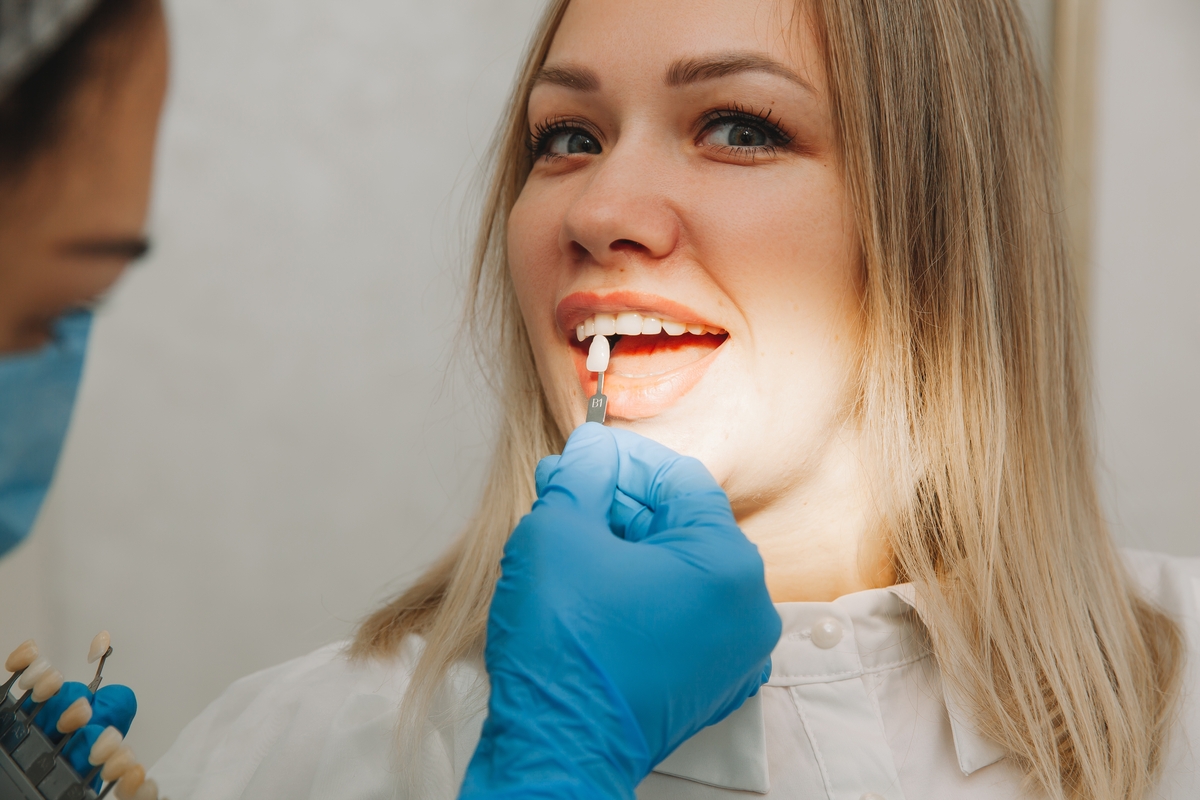
So, you finally did it! You’ve levelled up your smile with a fresh set of veneers, and honestly? You look fantastic. Whether you went for that classic Hollywood porcelain glow or the quick-and-sleek composite finish, you’ve made a serious investment in your confidence. But now comes the “new car” phase: how do you keep them looking pristine without accidentally scratching, staining, or—heaven forbid—popping one off?
If you’re wondering if your favourite charcoal toothpaste is now your worst enemy or if that morning espresso is a high-stakes gamble, you’re in the right place. Let’s dive into the science-backed, dentist-approved ways to keep those veneers shining for the next decade (or two).
Why the “How” Matters: The Stats Behind the Shells
Before we get into the nitty-gritty of your morning routine, let’s talk about why specialised care isn’t just a suggestion—it’s a financial necessity.
- Growing Popularity: In 2026, the U.S. dental veneer market is valued at approximately $1.82 billion, with over 8 million veneer procedures performed globally every year.
- The Survival Rate: Dental veneers are incredibly durable, boasting a 4% survival rate over 10 years when maintained correctly.
- Replacement Costs: With the average cost of a single porcelain veneer in the U.S. “simple mistake” during cleaning can become a multi-thousand-dollar repair bill.
Step-by-Step: Best Practices to Clean Veneers without Damaging Them
Brush Gently — Twice a Day
This might sound basic, but it’s crucial: soft-bristled brushes + gentle circular strokes = beautiful veneers. Hard bristles or vigorous scrubbing can scratch the porcelain surface and make the veneers look dull over time.
Pro tip: Aim for at least 2 minutes of brushing — front, back, and all around every tooth and veneer edge.
Choose Non-Abrasive Toothpaste
Not all toothpaste is veneer-friendly. Many whitening formulas contain abrasives that can wear down the surface gloss of your veneers.
Best options: Fluoride toothpastes labelled low-abrasive, for sensitive teeth, or designed for cosmetic restorations.
Floss Every Day — Carefully
Don’t skip this part! Food and plaque nestled between teeth can accumulate around veneer edges, leading to gum disease or decay of natural teeth.
Use waxed dental floss or interdental brushes to gently glide between teeth — avoid snapping or forcing the floss, which can stress the margins of a veneer.
Use Alcohol-Free Mouthwash
Alcohol in some mouthwashes doesn’t just dry your mouth — it can weaken the bonding resin holding veneers in place over time.
Go for: Alcohol-free, antibacterial rinses. These help keep bacteria levels low, freshen breath, and support overall gum health without compromising veneer adhesion.
Protect from Stains — Hydrate and Rinse
Veneers are more stain-resistant than natural teeth, but they can still discolour at the margins where they meet your natural enamel if exposed to heavy staining agents like coffee, tea, red wine, or dark sauces.
After sipping your iced coffee or enjoying red sauce pasta, rinse with water or drink through a straw to minimise surface contact.
Avoid Chewing Hard or Sticky Foods
Veneers are strong — but biting into ice, hard candy, or sticky caramels can chip or even dislodge them.
Suggestion: Cut hard foods into smaller pieces and chew with back teeth instead of front teeth when possible.
Night Guards for Teeth Grinding
If you grind your teeth at night (bruxism), nightly grinding can apply excessive force to veneers. Custom-fitted night guards reduce pressure and significantly extend veneer life.
Professional Cleanings — At Least Every 6 Months
Even the best home care leaves some buildup behind. A dental hygienist can safely remove tartar and stains around veneers using veneer-safe instruments, restoring shine without scratches.
Common Mistakes That Damage Veneers (and How to Avoid Them)
- Using abrasive whitening toothpastes: Use low-abrasive or veneer-safe options.
- Aggressive brushing: Think “polish,” not “scrub.”
- Alcohol-heavy mouthwash: Choose a gentle, alcohol-free.
- Ignoring nighttime grinding: Ask your local qualified dentist in Scottsdale about a custom night guard.
Myth vs. Fact: Veneer Edition
- Myth: If veneers are stain-resistant, you don’t need to watch your diet.
- Fact: They resist stains better than natural teeth, but staining agents can still affect edges and surrounding enamel if not rinsed or shielded.
- Myth: Once veneers are placed, you don’t need special dental visits.
- Fact: Regular checkups — especially every 6 months — help catch early issues before they become costly ones.
Conclusion: Keep That Smile Brilliant
Caring for dental veneers is all about balance — keeping your cleaning routine efficient, gentle, and consistent. With the right practices, you’re not just preventing damage — you’re investing in a smile that stands the test of time.
From brushing gently to scheduling professional cleanings and protecting against stains and grinding, each step plays a part in keeping your veneers looking brand-new long after you walk out of the dental chair.
Remember: veneers aren’t just dental work — they’re a long-term expression of confidence and self-care.
Frequently Asked Questions
- Can I use whitening toothpaste on my veneers?
No, most whitening toothpastes are too abrasive and can scratch the veneer surface. Use non-abrasive formulas instead.
- How often should I brush my veneers?
Brush twice daily with a soft-bristled toothbrush for at least two minutes each time.
- Do veneers require special dental tools for cleaning?
Regular soft toothbrushes and floss work fine, but interdental brushes and water flossers can help clean hard-to-reach spots.
- Are veneers stain-proof?
They’re more stain-resistant than natural teeth, but stains can still appear at margins. Rinse after staining beverages and consider using a straw.
- What signs mean my veneers need professional attention?
Look for chips, cracks, persistent stains, gum irritation, or loosening — and visit your dentist promptly.