7449 East Osborn Road #4 Scottsdale, Arizona 85251

Have you ever looked in the mirror after a fresh brush, only to notice those stubborn, chalky white spots staring back at you? It’s a bit frustrating, isn’t it? You’re doing everything right—brushing, flossing, maybe even using that fancy mouthwash—yet those “clouds” on your teeth won’t budge. You aren’t alone. In fact, for many Americans, these spots are a lingering souvenir from childhood or the day their braces finally came off.
But here’s the million-dollar question: Are they permanent? And more importantly, can you actually get rid of them for good?
Today, we’re diving deep into the science of your smile. We’ll look at why these spots appear, the latest 2026 data on how common they really are, and the professional “magic” dentists use to erase them. Whether you’re prepping for a wedding, a big job interview, or you just want to smile without overthinking it, let’s find out how to clear the clouds and get your pearly whites uniform again.
What Exactly Are These White Spots?
In the dental world, those white patches are known as White Spot Lesions (WSLs) or areas of demineralization. Essentially, the enamel (the hard outer layer of your tooth) has lost its mineral content, changing how it reflects light. Instead of being translucent and shiny, the enamel becomes porous and opaque, looking like a white “scar” on the tooth.
According to a 2025 study published in the Journal of Clinical Orthodontics, nearly 71% of patients undergoing fixed orthodontic treatment (braces) develop at least one white spot lesion by the end of treatment. This occurs because brackets and wires create “plaque traps,” making it difficult to remove the acidic bacteria that eat away at your enamel.
The Three Main Culprits
- Dental Fluorosis: This happens when children consume too much fluoride while their permanent teeth are still forming under the gums. Interestingly, the CDC reports that about 65% of American adolescents have some form of fluorosis, though most cases are very mild.
- Enamel Hypoplasia: a fancy term for thin enamel. It usually occurs during tooth development due to nutritional deficiencies (such as Vitamin D or A) or high fevers during childhood.
- Decalcification (The “Post-Braces” Spots): This is caused by a buildup of bacterial plaque. If the plaque isn’t removed, the acid it produces leaches calcium and phosphate out of the tooth.
- Poor Oral Hygiene: If plaque isn’t thoroughly removed—especially around braces or orthodontic brackets—you’re more likely to develop WSLs.
- Diet: Frequent consumption of sugary and acidic foods, such as sodas, citrus fruits, and sweets, increases enamel loss.
Can White Spots Go Away On Their Own?
Early white spots caused by demineralization can be improved with good oral care and remineralizing products. But most noticeable white spots—especially older or orthodontic ones—don’t fully disappear without professional help.
Proven Ways to Permanently Address White Spots
Here’s how dentists approach these stubborn spots—from simplest to most effective:
Remineralization Therapy
If the white spots are early and superficial, remineralizing products can help rebuild lost minerals and improve appearance.
How it works:
- Products such as fluoride gels, calcium phosphate pastes, and hydroxyapatite toothpastes replenish essential minerals in enamel.
- Daily use can gradually reduce the contrast between the white spot and the surrounding tooth structure.
Best for: Early, subtle white spots.
Resin Infiltration (Icon Treatment)
This is one of the most effective minimally invasive solutions.
What it does: A special resin infiltrates the porous white lesion, filling it and blending its color with the surrounding enamel.
Benefits:
- Immediate appearance improvement.
- No drilling or anesthesia.
- Long-lasting results in many cases.
Ideal for: Moderate white spots that don’t respond to remineralization alone.
Microabrasion
This treatment gently removes a thin layer of enamel to even out color differences.
Good choice for:
- Superficial spots
- Spots caused by fluorosis
Microabrasion is safe when done by a qualified dentist in Scottsdale and can significantly improve aesthetics after a single session.
Professional Whitening
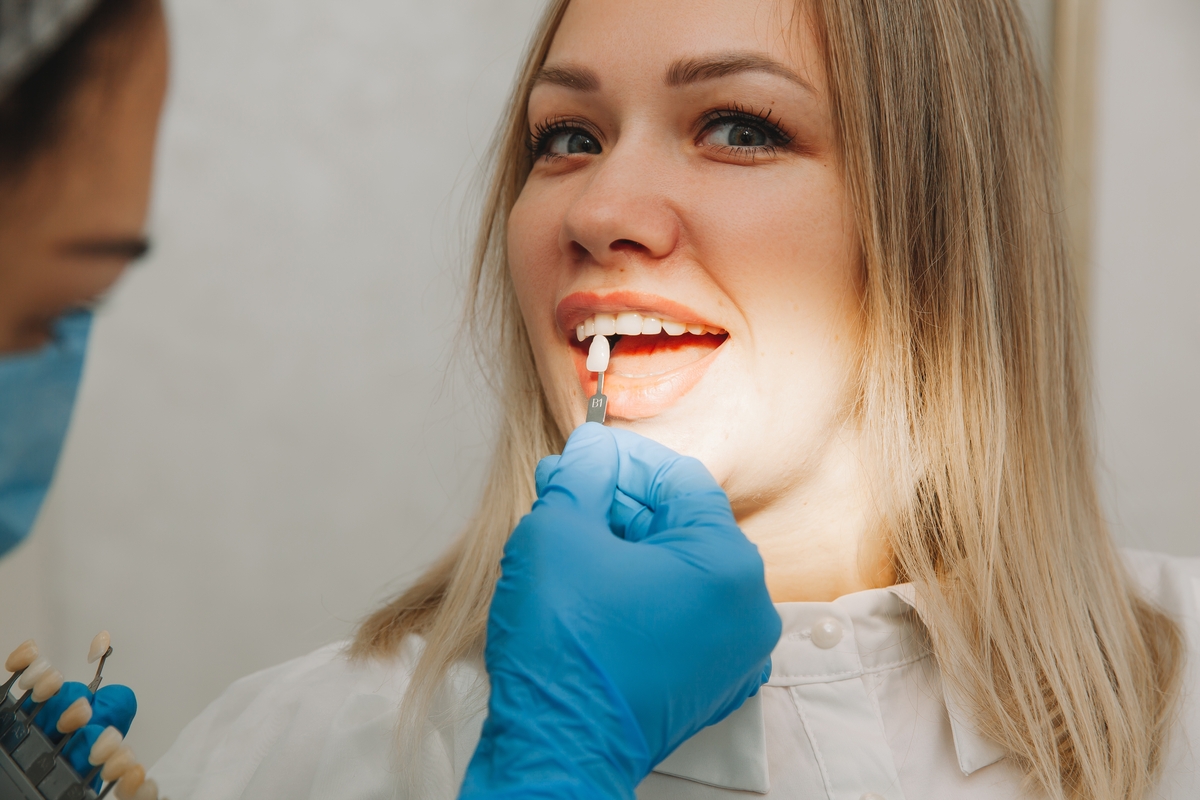
Professional bleaching doesn’t remove the spots, but it can help even out the shade of your teeth, making the white spots less visible. However, over-the-counter whitening can sometimes make spots look even whiter if not done correctly.
Veneers or Dental Bonding
For deep or intrinsic white spots that don’t respond to other treatments:
- Veneers are thin shells bonded to the front of the tooth.
- Bonding uses tooth-colored resin to cover the white area.
These are more permanent aesthetic solutions but involve more dental work.
Daily Care Habits That Actually Help
Even if you plan professional treatment, these habits make a big difference:
- Brush twice daily with fluoride or remineralizing toothpaste.
- Floss once daily to remove plaque buildup.
- Use an antibacterial mouthwash if recommended.
- Cut back on acidic and sugary foods.
Good habits won’t erase established white spots, but they significantly reduce the risk of new ones forming.
Conclusion
White spots on your teeth might feel like a permanent blemish, but modern dentistry has made them easier to treat than ever. From the non-invasive “Icon” resin treatment that fills in the gaps to the classic durability of porcelain veneers, you have options that fit every budget and smile goal.
The first step? Stop guessing and start consulting. A quick visit to your cosmetic dentist in Scottsdale can determine if your spots are from fluoride, plaque, or genetics—and they can give you a roadmap to a uniform, confident smile.
Frequently Asked Questions
- Are white spots harmful to my health?
White spots are often a sign of demineralization, which, if left alone, can progress to cavities. Addressing them early helps prevent decay. - Can I remove white spots at home?
Home care helps prevent new spots and can improve early demineralization, but most noticeable white spots won’t disappear completely without professional treatment. - Will whitening toothpaste remove white spots?
Whitening toothpaste targets surface stains but won’t erase the deeper enamel disruption that causes white spots. - Are white spots permanent?
Some are permanent without treatment, especially older or orthodontic white spots, but many can be improved significantly. - How much do professional treatments cost?
Costs vary widely, from affordable remineralizing treatments to higher fees for resin infiltration or veneers. Your dentist can give a tailored estimate.