7449 East Osborn Road #4 Scottsdale, Arizona 85251

Not every cosmetic dental concern requires the same solution. Whether you’re bothered by a chipped tooth, small gaps, discoloration, or uneven teeth, choosing the right treatment depends on your goals, lifestyle, and the condition of your teeth.
At Dentistry of Old Town Scottsdale, patients often ask whether dental bonding or veneers will give them the results they’re looking for. If you’ve been searching for a dentist near me or exploring Cosmetic Dentistry Scottsdale, understanding how these two treatments differ can help you make a more informed decision during your consultation.
Although both treatments improve the appearance of teeth, they differ in materials, durability, cost, and the types of cosmetic concerns they’re designed to address.
What Is Dental Bonding?
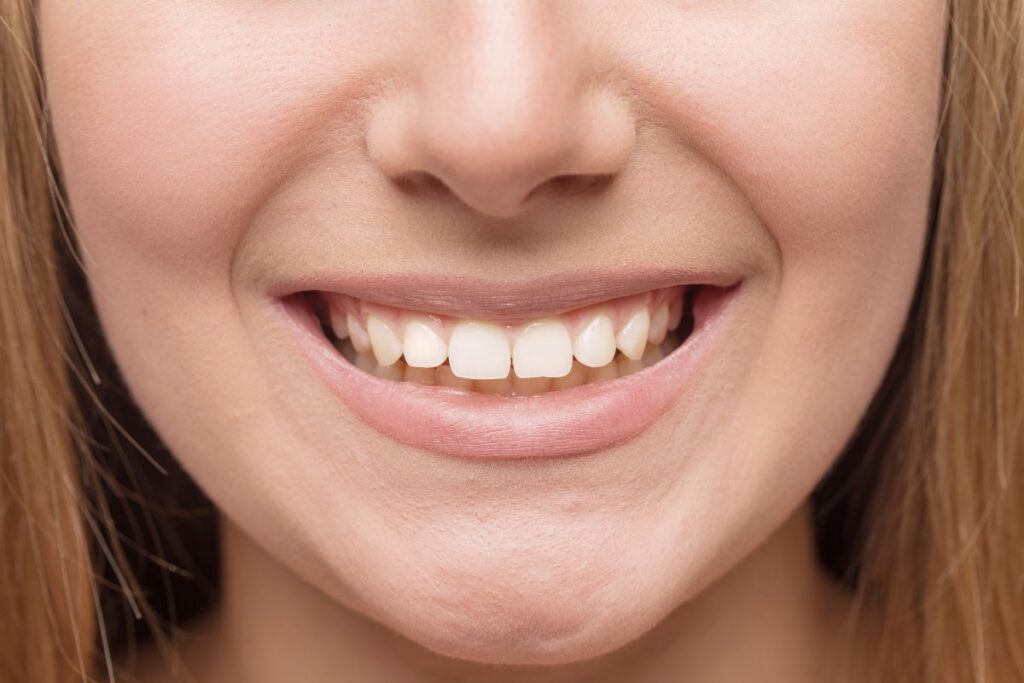
Dental bonding is a cosmetic procedure that uses a tooth-colored composite resin to improve the appearance of a tooth. The material is carefully shaped, hardened with a special curing light, and polished to blend naturally with your surrounding teeth.
Dental bonding is commonly recommended to:
- Repair small chips or cracks
- Close minor gaps between teeth
- Improve the appearance of discoloration
- Reshape uneven teeth
- Restore worn tooth edges
One of the biggest advantages of bonding is that it usually requires very little removal of natural tooth structure.
What Are Veneers?
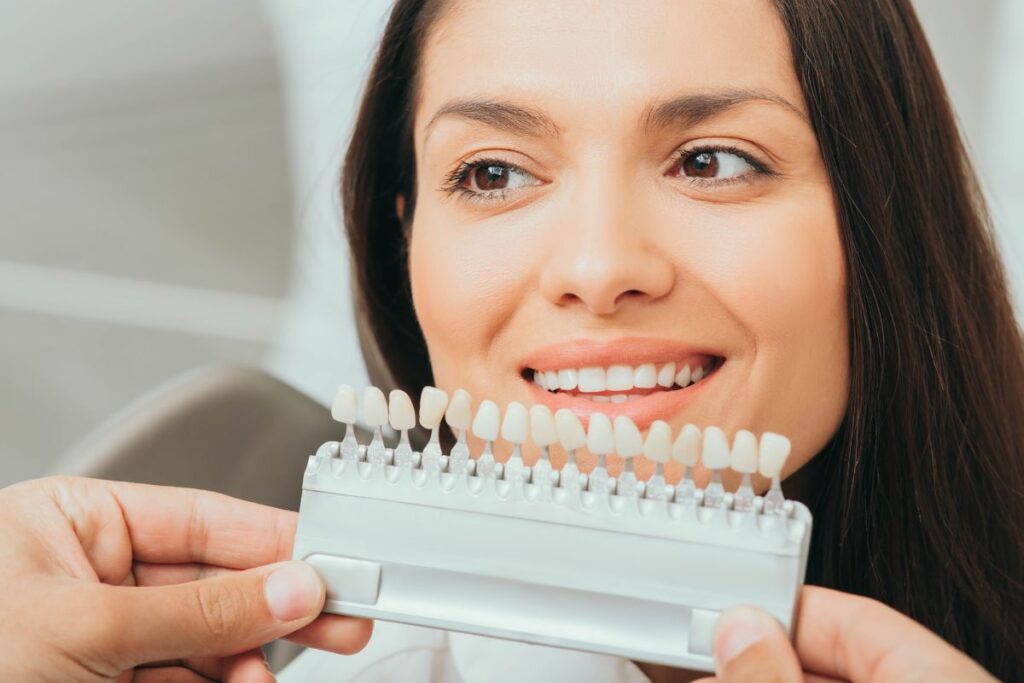
Veneers are thin, custom-made shells that are bonded to the front surface of the teeth. They’re often crafted from porcelain, which closely resembles natural enamel and provides excellent stain resistance.
Veneers are frequently used to address:
- Deep tooth discoloration
- Worn teeth
- Minor alignment concerns
- Uneven tooth size
- Small gaps
- Multiple cosmetic imperfections affecting the front teeth
Because each veneer is custom-designed, treatment can create a balanced, natural-looking appearance while preserving as much healthy tooth structure as possible.
Dental Bonding vs. Veneers: What’s the Difference?
Although both procedures enhance the appearance of your teeth, they work differently and offer distinct advantages.
| Feature | Dental Bonding | Porcelain Veneers |
|---|---|---|
| Material | Composite resin | Porcelain |
| Number of Visits | Often completed in one visit | Usually requires two or more visits |
| Durability | Good | Excellent |
| Stain Resistance | Moderate | High |
| Best For | Small cosmetic corrections | Multiple cosmetic improvements |
| Tooth Preparation | Minimal | Conservative enamel preparation |
The right option depends on your individual needs rather than one treatment being universally better than the other.
When Is Dental Bonding a Better Choice?
Dental bonding may be recommended if you’re looking for a conservative cosmetic treatment to correct minor imperfections.
It can be a good option for patients who have:
Small Chips
Bonding can restore chipped edges while preserving healthy tooth structure.
Minor Gaps
Small spaces between teeth can often be improved without orthodontic treatment.
Slight Discoloration
Composite resin can help mask localized discoloration that doesn’t respond well to professional whitening.
Small Shape Irregularities
Bonding allows your dentist to reshape teeth that appear uneven or slightly misshapen.
When Are Veneers the Better Option?
Veneers may be recommended when you’re looking to address several cosmetic concerns at the same time.
They are often ideal for patients with:
Multiple Cosmetic Imperfections
Veneers can improve color, shape, length, and symmetry simultaneously.
Severe Staining
Some types of discoloration don’t respond well to whitening treatments. Veneers provide a long-lasting cosmetic solution in these situations.
Long-Term Cosmetic Goals
Porcelain veneers are highly durable and resist staining better than composite bonding, making them a popular choice for patients seeking long-lasting results.
A More Uniform Appearance
Because every veneer is custom-made, they can create a more consistent appearance across several front teeth.
If you’re interested in learning more about cosmetic treatment options, visit our Cosmetic Dentistry page to explore the services available.
How Do Dentists Decide Which Treatment Is Right?
There’s no one-size-fits-all answer.
Your recommendation depends on several factors, including:
- Your cosmetic goals
- The condition of your teeth
- Your bite
- The amount of healthy enamel available
- Your budget
- Your long-term expectations
During your consultation, your dentist will evaluate these factors and explain which treatment is most appropriate for your specific needs.
How Long Do Dental Bonding and Veneers Last?
One of the biggest differences between these treatments is their expected lifespan. While both can provide beautiful cosmetic improvements, their longevity depends on the material used, your oral hygiene habits, and everyday wear.
Dental Bonding
Composite bonding is durable, but it may require occasional touch-ups or replacement over time, especially if it’s used on teeth that experience significant biting pressure.
You can help extend the life of dental bonding by:
- Brushing and flossing daily
- Avoiding chewing on ice or hard objects
- Wearing a nightguard if you grind your teeth
- Scheduling routine dental checkups
Porcelain Veneers
Porcelain veneers are designed for long-term durability and are highly resistant to staining. With proper care, they can continue to look natural and function well for many years.
To protect your veneers:
- Practice good oral hygiene every day
- Avoid using your teeth to open packages
- Wear a mouthguard during sports if recommended
- Visit your dentist regularly for preventive care
Pros and Cons at a Glance
Choosing between bonding and veneers often comes down to your priorities. Here’s a quick comparison.
| Dental Bonding | Porcelain Veneers |
|---|---|
| ✔ Conservative treatment | ✔ Long-lasting cosmetic solution |
| ✔ Usually completed in one visit | ✔ Excellent stain resistance |
| ✔ Repairs minor cosmetic flaws | ✔ Can address multiple concerns at once |
| ✔ Preserves most natural tooth structure | ✔ Natural-looking appearance |
| ✖ May stain over time | ✖ Usually requires more than one visit |
| ✖ May require touch-ups | ✖ Not ideal for every patient |
Quick Answer
Which is better: dental bonding or veneers?
Neither treatment is better for everyone. Dental bonding is often recommended for small cosmetic corrections, while porcelain veneers are typically chosen for patients seeking long-term improvements involving multiple front teeth. The right option depends on your oral health, cosmetic goals, and your dentist’s evaluation.
How to Choose the Right Cosmetic Treatment
Choosing between dental bonding and veneers depends on several factors, including your oral health, cosmetic goals, and the condition of your teeth. The American Academy of Cosmetic Dentistry provides educational resources about cosmetic dental procedures and the importance of working with a qualified dental professional when considering aesthetic treatments.
When comparing Dental Bonding vs Veneers, it’s helpful to think beyond appearance alone.
Ask yourself:
- What cosmetic concerns would I like to improve?
- Am I treating one tooth or several?
- How important is long-term stain resistance?
- Do I want the most conservative treatment possible?
- What are my long-term expectations?
During your consultation, your dentist can explain the advantages of each treatment and recommend an option based on your individual needs rather than a one-size-fits-all approach.
Myth vs. Fact
Myth: Veneers are always the better cosmetic treatment.
Fact: Veneers are an excellent option for many patients, but dental bonding may be the better choice for small chips, minor gaps, or limited cosmetic improvements.
Myth: Dental bonding looks less natural than veneers.
Fact: Modern composite materials can closely match the color and shape of natural teeth, creating attractive results for many cosmetic concerns.
Myth: Cosmetic dentistry is only about appearance.
Fact: Many cosmetic procedures can also restore damaged teeth, improve tooth shape, and enhance overall function while creating a more balanced appearance.
Making the Right Choice Starts With a Consultation
Every patient has different cosmetic goals, which is why a personalized evaluation is the best way to determine whether dental bonding or veneers is the right solution. After examining your teeth and discussing your expectations, your dentist can recommend a treatment plan that’s designed specifically for you.
Schedule Your Consultation
If you’re considering cosmetic dental treatment and would like to learn whether dental bonding or veneers is the better fit for your goals, we’re here to help. Schedule a consultation to discuss your options and receive a personalized treatment recommendation.
7449 E Osborn Rd #4, Scottsdale, AZ 85251
Call us at (480) 719-6994 to book your appointment.
Frequently Asked Questions
1. Is dental bonding more affordable than veneers?
In many cases, dental bonding has a lower initial cost than porcelain veneers. However, the best treatment depends on your cosmetic goals, oral health, and long-term expectations.
2. Which treatment lasts longer?
Porcelain veneers generally last longer than composite bonding and are more resistant to staining, but both treatments can provide long-lasting results with proper care.
3. Can dental bonding fix chipped teeth?
Yes. Dental bonding is commonly used to repair small chips, minor cracks, and worn edges while preserving healthy tooth structure.
4. Do veneers look natural?
Yes. Porcelain veneers are custom-made to match the color, shape, and proportions of your surrounding teeth for a natural-looking appearance.
5. How do I know which treatment is right for me?
A comprehensive dental evaluation is the best way to determine whether bonding or veneers is more appropriate based on your oral health, cosmetic concerns, and treatment goals.