7449 East Osborn Road #4 Scottsdale, Arizona 85251
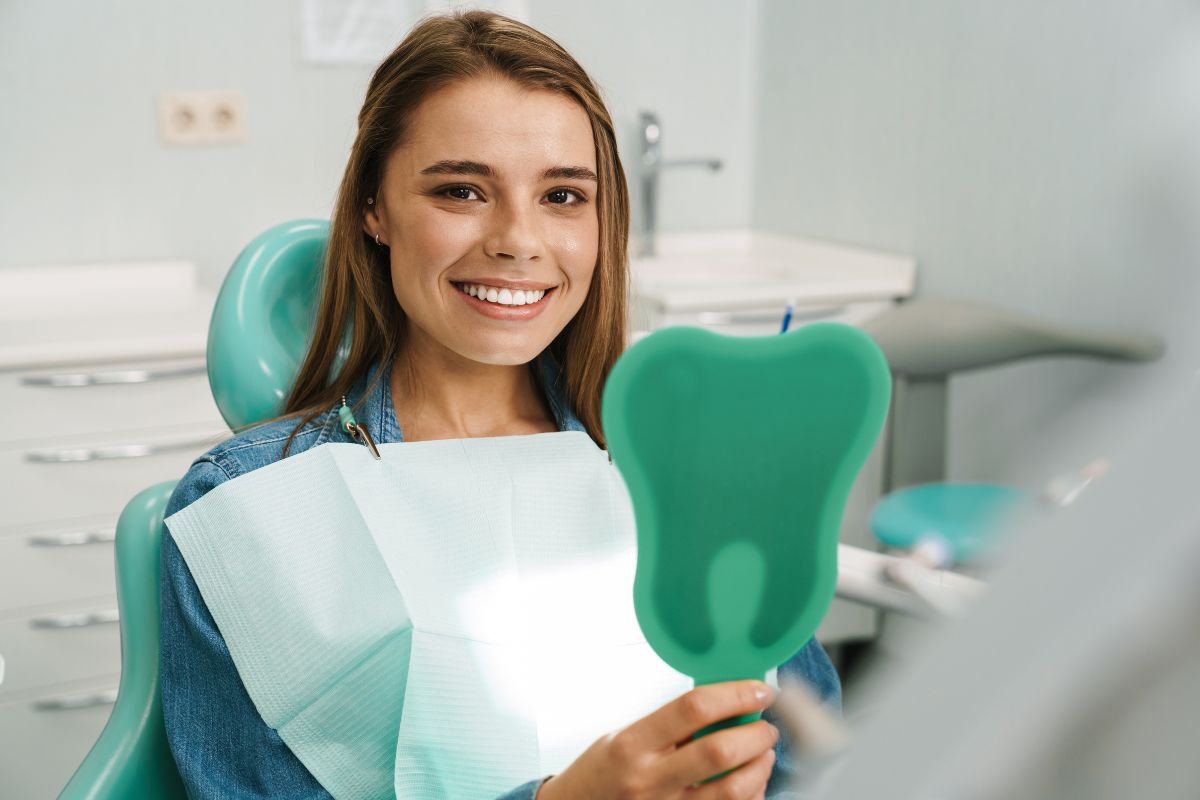
Isn’t it exhilarating? You’ve invested time, effort, and money into achieving your perfect smile with a cosmetic dental treatment. Whether it’s the dazzling symmetry of veneers, the gap-closing magic of bonding, or the blinding white of professional whitening, you look fantastic!
But here’s the reality check: your work isn’t over. That stunning result is an investment, and like any investment, it requires careful maintenance to protect its value. So, are you ready to learn the secrets to ensuring your new smile lasts for years to come? Let’s dive into the data-backed strategies for maximizing the longevity and brilliance of your cosmetic work!
Why aftercare matters (fast facts)
- Professional teeth whitening can remain noticeably brighter for 1–3 years, depending on your habits.
- Porcelain veneers show very high survival — ~94% at 5–10 years, with long-term survival declining slowly (some studies report ~85% at 15 years).
- Dental implants have excellent long-term outcomes — meta-analyses report a 10-year survival rate of ~96% at the implant level.
- Up to ~19% of Americans report having whitened their teeth (industry and consumer interest are rising).
These numbers show: cosmetic dental work lasts — but only if you protect it.
Daily habits that preserve your smile
Brush smart — twice a day, 2 minutes
Brush your teeth at least twice a day for at least two minutes each time, using a soft-bristled toothbrush and fluoride toothpaste. This removes plaque that can cause staining, decay under restorations, and gum problems that threaten crowns, veneers, and implants. The ADA recommends brushing twice daily as a foundational home care practice.
Pro tip: Use gentle, circular strokes near the gumline — aggressive scrubbing can wear away enamel and margins around crowns/veneers.
Clean between teeth every day.
Floss or use interdental cleaners once daily to remove trapped food and plaque. This reduces the risk of decay at restoration margins and gum disease, which can compromise implants and natural tooth support. The ADA recommends interdental cleaning once a day.
Control staining foods & timing
Coffee, red wine, black tea, curry, and dark sodas contain chromogens that re-stain whitened teeth and can tint composite restorations. If you indulge:
- Rinse with water after finishing the drink.
- Use a straw for dark beverages when possible.
- Consider touch-up whitening (at-home trays or brief in-office boosters) when color drifts. Research shows whitening outcomes vary with re-exposure to chromogens.
Quit or reduce tobacco and vaping.
Tobacco is strongly associated with tooth staining and poorer outcomes for both natural teeth and restorations; smokers report more moderate-to-severe discoloration than non-smokers. Quitting improves aesthetic longevity and oral health.
Protect from grinding (bruxism)
If you clench or grind your teeth, wear a dentist-prescribed night guard. Grinding is a leading cause of veneer or crown chipping and can overload implants. A nightguard preserves both your natural tooth structure and cosmetic work.
Use non-abrasive toothpaste for restorations.
Some whitening or “whitening-type” toothpastes are abrasive and can dull the glaze on porcelain veneers or roughen the surface of composites, promoting staining. Ask your qualified dentist in Scottsdale which type of paste is best suited for your restoration.
Be cautious when using DIY whitening after dental restoration.s
Whitening agents lighten natural tooth structure, not crowns, veneers, or implants. If you plan whitening before placing restorations, do it before color-matching; if after, discuss matching/replacement options with your dentist. Guidelines and reviews note variable longevity and the need for coordination with your dentist.
Professional care that keeps results long-lasting
Regular checkups and cleanings
Most dentists recommend routine exams and cleanings (often every six months or as your dentist suggests) to catch small problems early — such as recurring decay at the margins, tiny chips, or gum inflammation — before they become costly failures. ADA home care guidance emphasizes the combination of daily home care with professional visits.
Maintenance for specific treatments
- Veneers: Regular polishing and evaluation of margins during visits help them last longer. Clinical reports indicate that porcelain veneers have an excellent 5–10 year survival rate when properly maintained.
- Whitening: Professional touch-ups — either in-office or take-home trays — can refresh results that typically last from months to a few years, depending on diet and habits.
- Implants: Professional monitoring of peri-implant tissues and regular hygiene can reduce the risk of peri-implantitis; meta-analyses report high 10-year survival rates when implants are well-maintained.
Ask about protective coatings and re-glazing
For certain restorations, your dentist can apply finishing/polishing or recommend periodic maintenance to keep porcelain surfaces smooth and stain-resistant.
Lifestyle choices that matter most
- Drink water frequently — it helps wash away staining agents and sugars.
- Limit acidic drinks (sodas, citrus juices) — acid softens enamel and can affect bond areas.
- Choose tooth-friendly snacks (cheese, nuts, crunchy veggies) that stimulate saliva and help clean teeth naturally.
- Manage medications and medical conditions with your cosmetic dentist in Scottsdale — some medications can cause dry mouth, which increases the risk of decay and staining. Saliva substitutes or fluoride can help.
When to call your dentist —
- New sensitivity under or around a restoration.
- A sharp edge or visible chip in a veneer or crown.
- Dark lines at the gumline around restorations.
- Redness, swelling, or bleeding around an implant or crown.
Early evaluation prevents small issues from escalating into major problems.
The Bottom Line
Your gorgeous, confidence-boosting smile is a valuable asset. The journey didn’t end when you left the dentist’s office; it just entered a new, equally important phase: maintenance. By adhering to a meticulous and gentle oral hygiene routine, wearing protective guards when necessary, and attending all your scheduled professional appointments, you are taking the necessary steps to ensure your cosmetic dental investment yields dazzling, durable results for its maximum lifespan. Protect that smile!
FAQs
- How often should I get touch-up whitening after professional whitening?
It varies — many people require touch-ups between 6 months and 2–3 years, depending on their diet and habits. Discuss a maintenance plan with your dentist. - Do veneers ever need replacing?
Yes — while many porcelain veneers survive 5–15+ years, they may eventually chip or need replacement due to wear, gum changes, or aesthetic reasons. Regular checks help extend their life. - Can I whiten teeth with crowns, veneers, or implants?
Whitening only affects natural tooth enamel. Crowns, veneers, and implants won’t lighten, so plan whitening before color-matching restorations or discuss replacing restorations to match a new shade. - Will smoking ruin my cosmetic dental work?
Smoking stains teeth and restorations and increases the risk of gum disease. Smokers are more likely to have visible discoloration and poorer long-term outcomes. Quitting improves both appearance and oral health. - How long do dental implants last?
When well-placed and maintained, implants exhibit excellent longevity — meta-analyses report a 10-year implant survival rate of ~96% in many studies. Proper oral hygiene and regular dental follow-up are essential.