7449 East Osborn Road #4 Scottsdale, Arizona 85251
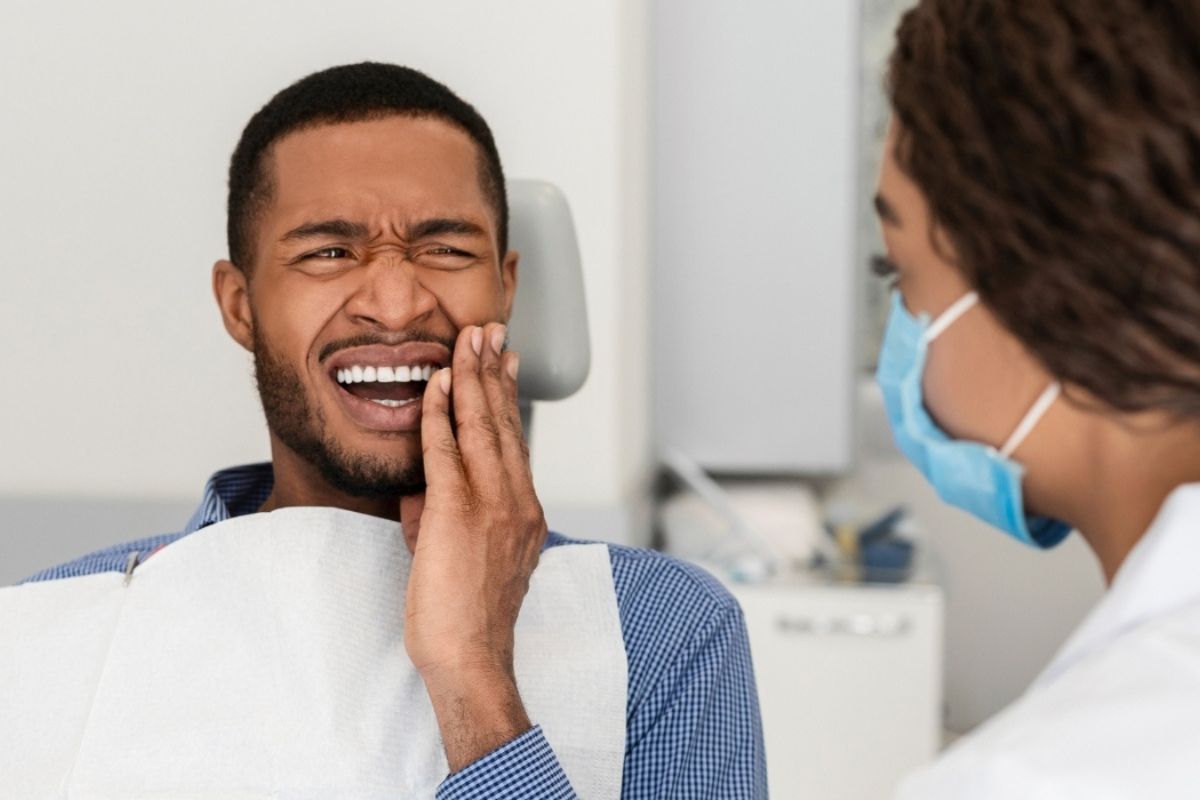
A dental crown is designed to protect and strengthen a damaged tooth. It sits securely over the tooth and restores its shape and function. Even with excellent care, a crown can occasionally come loose or fall out unexpectedly. This often happens during meals, because of wear and tear, or due to underlying issues affecting the tooth structure. A lost crown can feel alarming, especially if it causes discomfort or leaves the tooth exposed.
What Happens When a Dental Crown Falls Off?
When a crown becomes detached, the tooth underneath can become vulnerable. Since the covered tooth is often weakened or previously treated, exposure may lead to sensitivity and irritation.
Common symptoms include:
- Sharp sensitivity to hot or cold foods
- Discomfort while chewing
- A rough or uneven tooth surface
- Food is getting trapped around the area
- Tenderness around the exposed tooth
A lost crown does not always cause severe pain immediately. However, delaying care can increase the chance of decay or damage to the remaining tooth structure.
Why Do Dental Crowns Become Loose?
Several factors can contribute to a crown falling out.
Natural Wear and Tear
Crowns experience constant pressure from biting and chewing. Over time, the dental cement holding the crown may weaken.
Tooth Decay Under the Crown
Decay can develop around the edges of the crown and compromise its support.
Teeth Grinding
Nighttime grinding or clenching places excessive force on teeth and restorations.
Sticky or Hard Foods
Certain foods may pull or dislodge a weakened crown unexpectedly.
Damage to the Tooth
If the underlying tooth cracks or changes shape, the crown may no longer fit correctly.
What Should You Do Immediately After Losing a Crown?
Quick action can help protect your tooth before treatment.
| Immediate Step | Why It Matters |
|---|---|
| Locate the crown | It may still be reusable |
| Rinse the crown gently | Removes debris |
| Keep the crown in a clean container | Prevents contamination |
| Avoid chewing on that side | Reduces pressure |
| Keep the exposed tooth clean | Helps prevent irritation |
Avoid trying household adhesives or permanent glues. These materials can damage the crown and complicate treatment.
Many people begin searching online for a trusted dental professional or a nearby urgent dental provider after losing a crown because they want fast guidance and relief.
How Does Emergency Dental Care Handle a Lost Crown?
Dental professionals typically begin by examining both the crown and the tooth underneath.
During treatment, our dentists evaluate several factors:
Is the Existing Crown Still Usable?
If the crown is intact and fits correctly, it may be cleaned and reattached.
Is There Damage Underneath?
The tooth may have developed decay, fractures, or changes that need attention before replacing the restoration.
Is Additional Treatment Needed?
The approach depends on the tooth condition and overall oral health.
Patients searching for an emergency dentist in Scottsdale often want immediate answers about saving their crown and preventing further complications. Prompt treatment can protect the tooth and restore comfort before the issue becomes more serious.
Can You Wait a Few Days Before Treatment?
Some people feel tempted to wait because discomfort seems mild at first. Unfortunately, exposed teeth can become more sensitive over time.
Potential concerns include:
- Increased tooth sensitivity
- Bacteria entering vulnerable areas
- Food buildup around the tooth
- Changes in bite alignment
- Tooth damage during chewing
Early treatment usually creates a smoother recovery process.
What Can Help Reduce Discomfort Before Your Appointment?
While waiting for care, simple steps can help minimize irritation:
Keep the Area Clean
Rinse gently with warm salt water to remove debris.
Eat Soft Foods
Choose foods that place minimal pressure on the exposed area.
Avoid Extreme Temperatures
Very hot or cold items may trigger sensitivity.
Protect the Tooth
Temporary dental products may help cover the area until professional care is available.
Dr. Brittain and dental teams often encourage patients not to delay treatment, as exposed teeth are more susceptible to complications.
A person looking online for a local urgent dental specialist may simply want reassurance that treatment can quickly and comfortably help preserve their smile.
Trending FAQs
- Can a dental crown be put back on?
Yes. If the crown and tooth are still in good condition, it may be reattached. - Is losing a dental crown considered an emergency?
It can be. An exposed tooth may become vulnerable to damage or sensitivity. - Can I eat with a lost crown?
Soft foods may be tolerated, but avoid chewing on the affected side. - Why did my crown suddenly fall out?
Wear, tooth decay, grinding, or changes to the tooth can weaken support. - Should I throw away my old crown?
No. Bring it to your appointment because it may still be usable.
How Can You Reduce the Risk of Losing a Crown Again?
Daily oral care plays an important role in protecting restorations. Brushing, flossing, and regular dental visits help maintain both the crown and the surrounding tooth structure.
If you are searching for an expert emergency dentist in Scottsdale, a timely evaluation remains important whenever a crown falls out, as exposed teeth benefit from prompt attention and professional assessment.
Protecting a damaged tooth early often helps preserve comfort and function. Acting quickly after a crown becomes loose can reduce complications and support long-term oral health. If you experience a lost dental crown, seeking professional care allows the affected area to be evaluated and treated before additional problems develop.