7449 East Osborn Road #4 Scottsdale, Arizona 85251

After having a tooth removed, you may wonder when to replace it. For adults and parents in Scottsdale, understanding the healing process helps prevent unnecessary delays and complications.
At Dentistry of Old Town Scottsdale, Dr. Brittain helps patients explore tooth replacement options after an extraction. Consulting a Scottsdale, AZ dentist can help determine when you can safely place dental implants, depending on jawbone health and recovery.
How Long After Tooth Extraction Can You Get Dental Implants?
You may receive an implant immediately after extraction or several weeks to months later. The appropriate timing depends on bone availability, infection, gum health, and the condition of the extraction site.
Common placement timelines include:
- Same day: Place the implant during the extraction.
- 4–8 weeks: Early placement after the gums begin healing.
- 12–16 weeks: Place the implant after partial bone healing.
- After 6 months: Place the implant into a fully healed extraction site.
These are clinical timing categories, not guaranteed treatment schedules. Your dentist must evaluate the area before recommending surgery.
Why Does Healing Time Matter After Tooth Extraction?
When a tooth is removed, the surrounding bone begins remodeling because it no longer supports the natural tooth root.
This process can gradually reduce the jawbone’s width and height.
You may need to wait for infection to resolve or damaged tissues to recover. However, unnecessary delays can increase the likelihood of bone loss.
A timely dental examination helps determine whether the extraction site has sufficient support for implant placement.
What Factors Determine When You Can Get an Implant?
Several clinical factors influence the recommended timeline for implant placement.
1. Jawbone Density and Volume
An implant requires adequate bone for stability. If the jawbone is too thin or has deteriorated, bone grafting may be necessary.
2. Infection at the Extraction Site
Assess and manage active infection appropriately. Some infected sites can receive immediate placement under carefully selected conditions, while others require healing first.
3. Gum Health
Healthy gum tissue supports healing around the replacement tooth. Periodontal disease may need treatment before surgery.
4. Overall Health
Uncontrolled diabetes, smoking, certain medications, and other health conditions can affect healing.
Your dentist reviews your medical history before developing a treatment plan.
5. Location of the Missing Tooth
Front teeth require careful attention to gum contours and appearance. Back teeth experience greater chewing forces and may present different bone requirements.
What Happens if You Wait Too Long?
Delaying tooth replacement does not automatically prevent future treatment.
However, prolonged tooth loss may lead to:
- Progressive jawbone shrinkage.
- Shifting of neighboring teeth.
- Changes in bite alignment.
- Difficulty maintaining the original tooth spacing.
- Additional procedures before implant placement.
Patients considering dental implants in Scottsdale should arrange an evaluation even if their extraction occurred months or years ago.
A delayed consultation does not necessarily mean treatment is impossible.
Can Bone Grafting Help After a Delayed Extraction?
Yes, bone grafting may rebuild or preserve bone needed to support an implant.
A dentist may recommend socket preservation at the time of extraction or a separate grafting procedure afterward.
Depending on the graft and clinical situation, several months of healing may be required before implant placement.
Not every patient needs grafting. Diagnostic imaging helps determine whether the available bone provides sufficient support.
What Should You Expect During Implant Treatment?
The process typically involves several stages.
Initial Consultation
Your dentist examines the extraction site and may recommend dental X-rays or three-dimensional imaging to evaluate bone structure.
Implant Placement
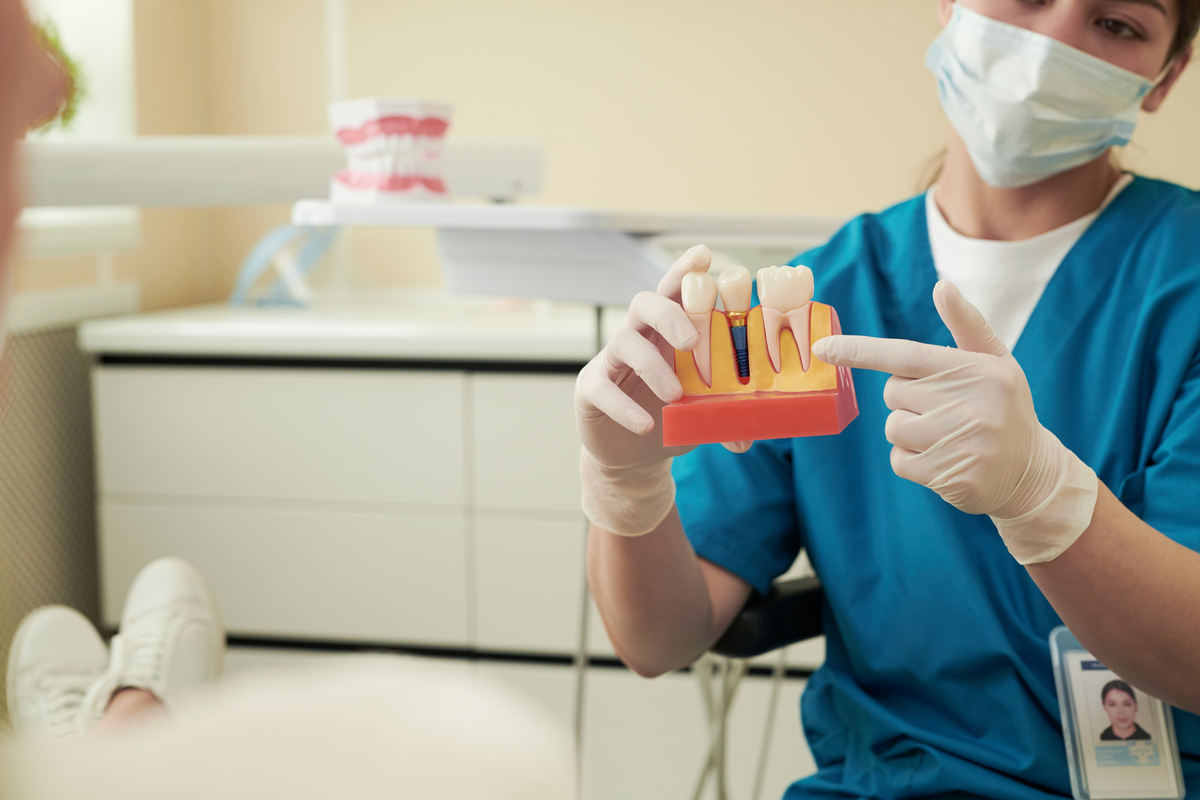
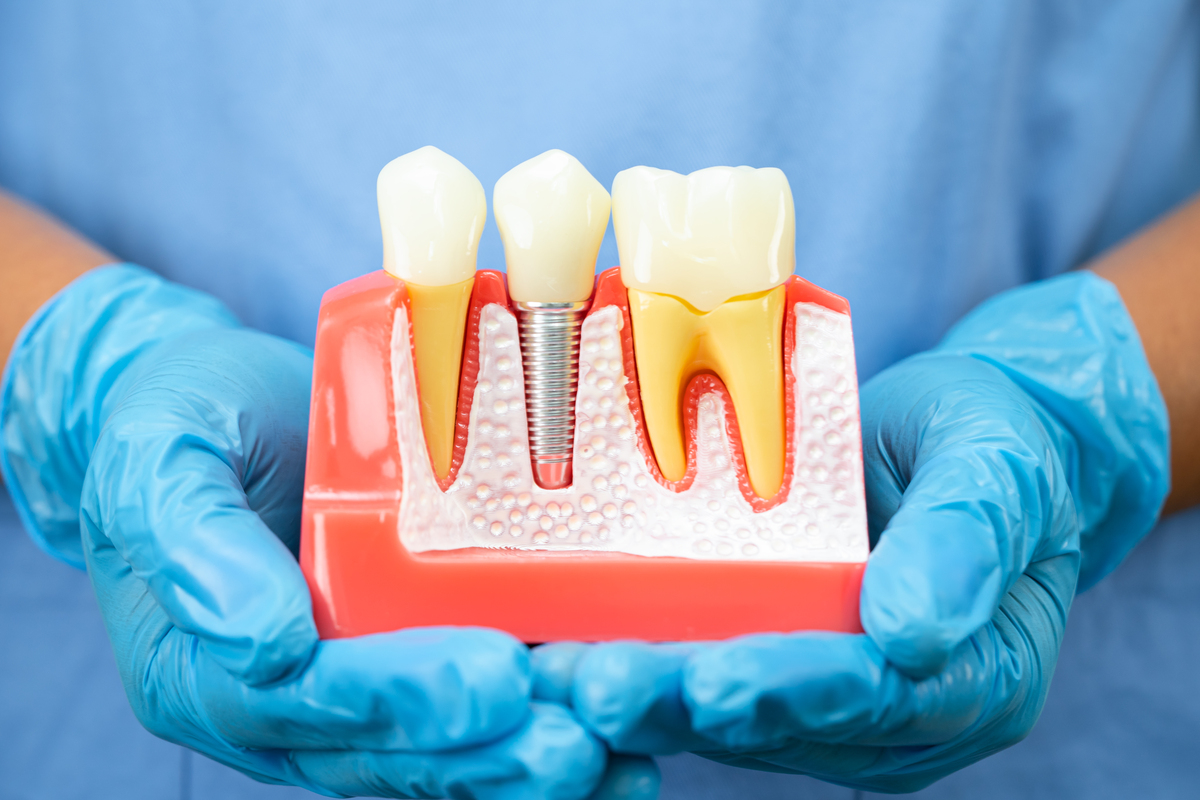
A titanium post is surgically positioned in the jawbone to replace the missing tooth root.
Healing and Osseointegration
Over the next few months, the surrounding bone gradually bonds to the implant surface.
Final Tooth Restoration
Once adequate stability and healing are confirmed, an abutment and custom dental crown complete the restoration.
Our Scottsdale office offers implant treatment and restorations designed to restore chewing function and a natural-looking smile.
How Can You Prepare for Implant Placement?
Following your dentist’s instructions after extraction supports recovery.
Important steps include:
- Keep the extraction site clean as directed.
- Avoid smoking and tobacco products.
- Follow recommended dietary restrictions.
- Attend scheduled follow-up visits.
- Report persistent swelling, fever, or worsening pain.
- Discuss tooth replacement before significant delays occur.
If healing looks abnormal, contact your dental office instead of waiting for symptoms to resolve.
Don’t Let Tooth Loss Delay Your Smile Restoration
Whether your tooth was removed recently or several years ago, dental implants may offer a lasting solution for restoring chewing function and appearance.
The right timing depends on your jawbone condition, healing progress, and individual treatment needs. Early planning can help identify potential complications and available options.
Call 480-719-6994 to book an appointment at our Scottsdale dental office. Our team can evaluate your extraction site, explain your implant treatment options, and help you move toward a complete, confident smile.
Frequently Asked Questions
1. Can I Get an Implant Three Months After Tooth Extraction?
Yes, three months may be an appropriate interval for some patients. However, bone healing and gum health vary. Our dentist can examine the extraction site and determine whether it has enough placement support or needs more healing.
2. Is It Too Late to Get an Implant After One Year?
Not necessarily. Many patients receive implants years after losing teeth. However, prolonged tooth loss can reduce the amount of available jawbone. A dental exam and imaging can determine whether placement is possible or whether bone grafting is needed.
3. Can an Implant Be Placed Immediately After Extraction?
Immediate placement is possible when bone support, tissue condition, and other clinical factors permit. It is not appropriate for every extraction. Our dentist must evaluate the socket and surrounding structures before recommending same-day placement.
4. How Long Does Bone Grafting Delay Implant Treatment?
Healing may take several months, depending on graft size, location, and individual recovery. Some grafts are placed during implant surgery, while others require a separate healing period. Your dentist can estimate the timeline after examining your jawbone.
5. Does Implant Placement Hurt After Extraction?
Local anesthesia is generally used during implant surgery to minimize discomfort. You may experience mild swelling and soreness afterward. Our dental team can explain pain management, recovery instructions, and symptoms that require further evaluation.
6. How Long Does the Entire Implant Process Take?
Treatment often takes several months because the implant must integrate with the surrounding bone before we place the final restoration. Additional procedures may extend the timeline. A consultation provides a clearer estimate based on your extraction history and oral health.