7449 East Osborn Road #4 Scottsdale, Arizona 85251
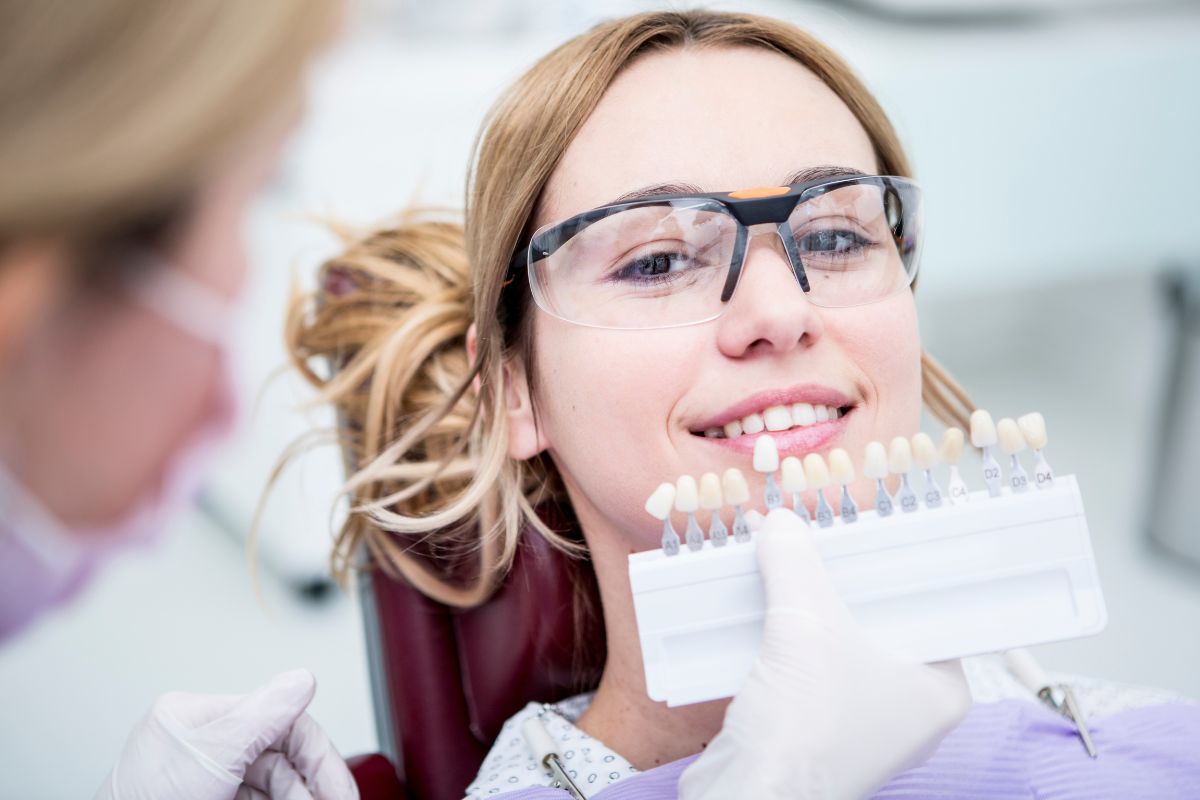
If you’re planning to get veneers in Scottsdale, you’ve probably noticed that the process doesn’t happen in a single appointment. Your permanent veneers are made to order, so there’s a gap between the visit where your teeth are prepared and the visit where the final veneers go on. Temporary veneers are what cover that gap.
Here’s a simple look at what they’re for and where they fit into the treatment, based on how we do things at Dentistry of Old Town Scottsdale.
Why Veneers Take More Than One Visit
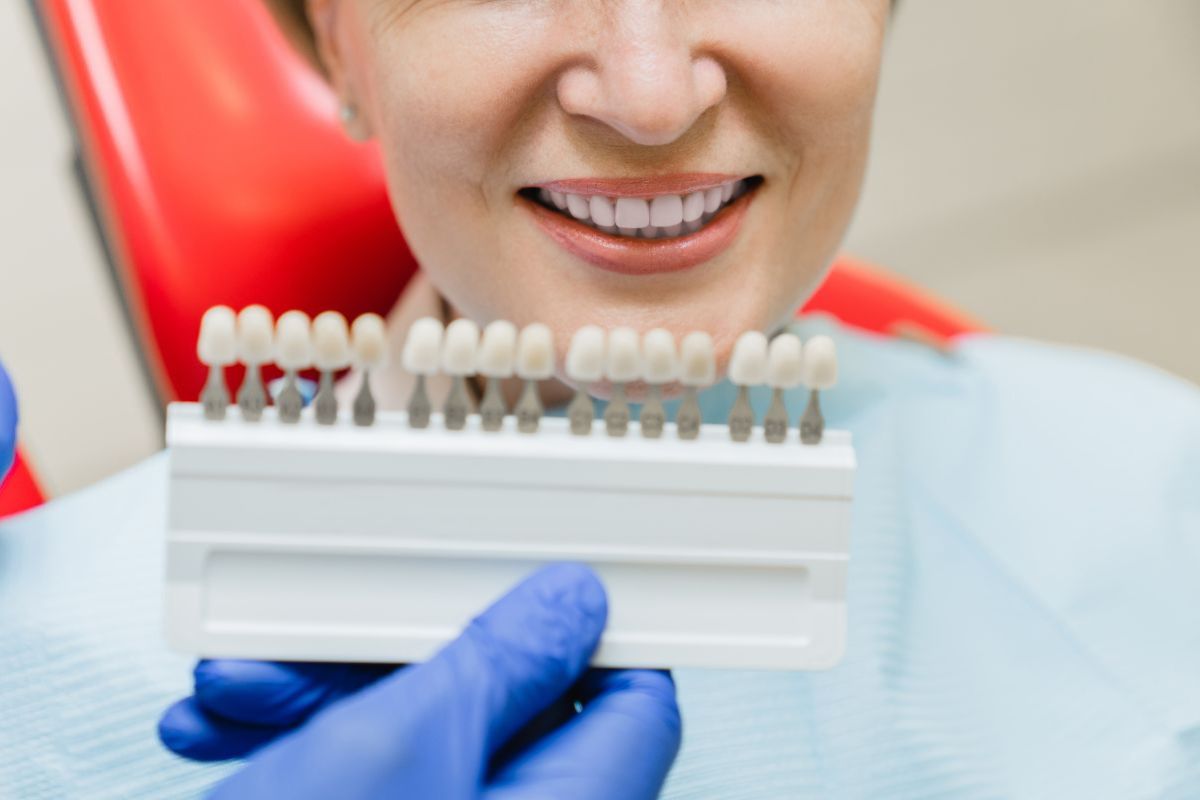
Veneers are thin, tooth-colored porcelain shells that cover your natural teeth. They’re custom-made, which is why the process usually takes two to three visits.
If you’re exploring Veneers Scottsdale options, it helps to know the steps up front:
- Consultation. Your dentist examines your teeth, talks through your goals, and confirms that veneers are a good fit for you.
- Preparation. A small amount of enamel is removed from each tooth so the veneers fit comfortably.
- Impressions. Impressions are sent to a dental lab, where your custom porcelain veneers are made to match the shape, size, and shade you and your dentist discussed.
- Temporary veneers. These are usually placed to protect your teeth while the permanent ones are being made.
- Placement. Your dentist bonds the permanent veneers to your teeth, makes final adjustments, and polishes them.
Temporary veneers sit right in the middle of that process, at step four.
What Temporary Veneers Are For
The purpose is simple: they protect your teeth while your permanent veneers are made.
Once enamel has been removed during preparation, your teeth are no longer in their original state. The lab needs time to create your custom porcelain veneers, so your teeth need coverage until those are ready. That’s the job temporary veneers do.
Why Preparation Comes First
Preparation is the step that makes temporary veneers necessary, so it’s worth understanding. A small amount of enamel is removed from each tooth so that the permanent veneers fit comfortably.
Because enamel is removed, veneers are considered a long-term solution, and the procedure is irreversible. That’s one more reason to start with a thorough consultation, where you can ask every question you have before treatment begins.
Most patients feel little to no discomfort during the process, and local anesthesia is used.
Who Is Treatment For?
Veneers are a good fit for adults with healthy teeth and gums. They can be used to address:
- Worn-down, chipped, or broken teeth
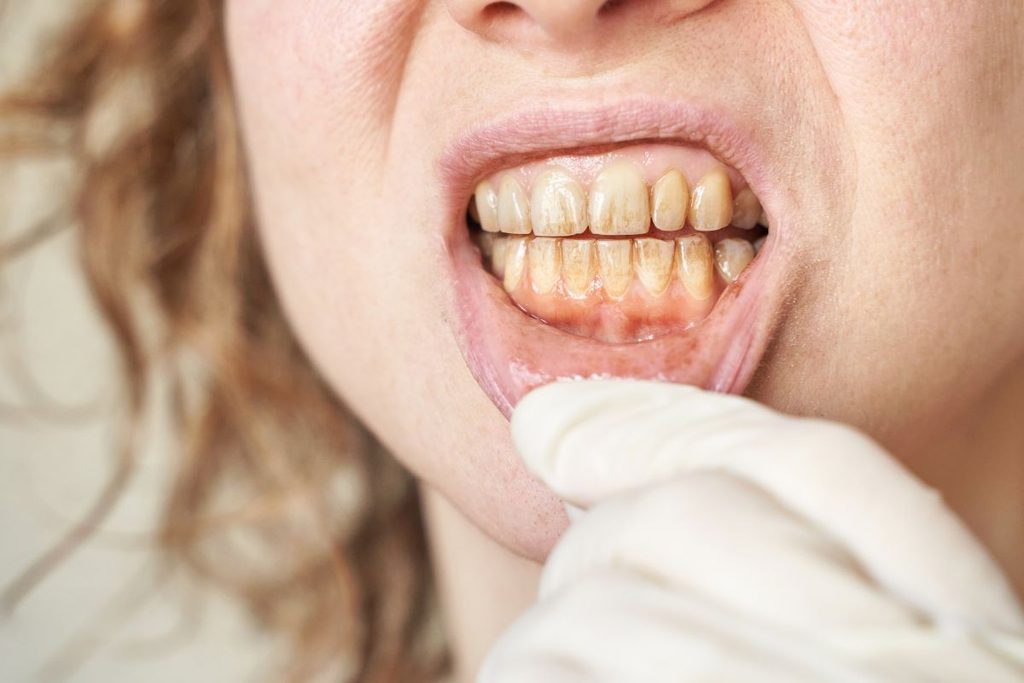
- Stained or discolored teeth
- Uneven or irregularly shaped teeth
- Gaps between teeth
A consultation is how you find out whether veneers or another cosmetic option suits you best.
Choosing a Dentist for Your Veneers
A Scottsdale dentist who explains each stage of treatment, including the temporary phase, makes the whole process easier to feel good about. At your consultation, Dr. Bradley Brittain examines your teeth, discusses your goals, and confirms whether veneers are the right fit. You can read about the full process on our veneers page.
If you have specific questions about the temporary stage, such as how long yours will be in place, bring them to your consultation. Your dentist can answer them based on your own treatment plan.
Curious about veneers and what each visit involves? Call us at (480) 719-6994 to schedule your consultation with Dr. Brittain.
Frequently Asked Questions
Q: What are temporary veneers?
A: They’re veneers placed to protect your teeth while your permanent veneers are being made.
Q: Why do I need them?
A: Your teeth are prepared by removing a small amount of enamel, and your permanent veneers are made at a dental lab. Temporary veneers protect your teeth in the meantime.
Q: How many visits does the veneer process take?
A: Usually two to three visits, from the consultation through placement of your permanent veneers.
Q: Does the veneer process hurt?
A: Most patients feel little to no discomfort, and local anesthesia is used.
Q: Can veneers be reversed?
A: No. Because enamel is removed from your teeth, the procedure is considered irreversible and a long-term solution.