7449 East Osborn Road #4 Scottsdale, Arizona 85251

If you’re considering dental implants, you’re probably wondering about the financial aspects involved. We understand that cost plays a significant role in decision-making, so we’ve put together this comprehensive guide to help you navigate through the expenses associated with dental implants. From understanding factors that influence costs to exploring different financing options, we’ve got you covered! So let’s dive in and uncover everything you need to know about the cost of dental implants and how to make it more affordable for your budget.
The Cost of Dental Implants
When it comes to dental implants, cost can vary depending on several factors. First and foremost, the number of implants you need will greatly impact the overall expense. Whether you require a single implant or multiple implants will determine just how much you’ll be looking to invest.
Another significant factor that affects cost is the type of implant material used. There are different options available, including titanium and zirconia implants, each with their own price point. Your dentist will consider your specific needs and recommend the most suitable material for your situation.
The location of the dental clinic can also influence costs. Dental practices in urban areas tend to have higher overhead expenses compared to those in rural locations. As a result, prices may be slightly higher in urban areas due to increased operating costs.
Furthermore, additional procedures such as bone grafting or sinus lifts may be necessary before getting dental implants. These procedures aim to enhance bone density or provide more space for implant placement but can add extra expenses to your treatment plan.
Keep in mind that pricing structures may differ from one dentist to another. It’s always a good idea to get multiple quotes and compare them thoroughly before making a decision.
Remember that while dental implant costs might seem substantial upfront, they offer long-term benefits by providing durability and natural-looking results that can last for many years with proper care.
The Dental Implants Financing Options
When it comes to dental implants, financing options can play a vital role in making this life-changing procedure more accessible. While the cost of dental implants may seem daunting at first, there are several financing options available that can help you manage the expenses.
One common option is dental insurance. Depending on your policy, it may cover a portion of the implant costs. However, it’s important to note that not all insurance plans include coverage for dental implants, so be sure to check with your provider beforehand.
Another popular financing option is through dental savings plans or discount programs. These programs typically offer discounted rates for various dental procedures, including implants. They can be a great way to save money if you don’t have insurance or if your plan doesn’t cover implants.
Many dentists also offer flexible payment plans that allow you to spread out the cost of your implant treatment over time. This can make paying for implants more manageable by breaking down the total cost into affordable monthly payments.
Additionally, some patients choose to finance their dental implant procedure through medical credit cards or personal loans specifically designed for healthcare expenses. These options often come with low-interest rates and extended repayment terms.
Exploring different financing options is crucial when considering dental implants. Whether it’s utilizing dental insurance benefits, enrolling in discount programs, opting for payment plans offered by dentists, or seeking assistance from medical credit cards or personal loans – there are ways to make this transformative treatment fit within your budget and restore your smile confidently!
The Cost of Dental Implants Estimated Years of Life
When considering the cost of dental implants, it’s important to take into account their estimated years of life. Unlike other tooth replacement options, such as dentures or bridges, dental implants are designed to be a long-term solution.
On average, dental implants have a success rate of around 95% and can last anywhere from 15-25 years or even longer with proper care. This makes them a worthwhile investment for many individuals looking for a permanent solution to missing teeth.
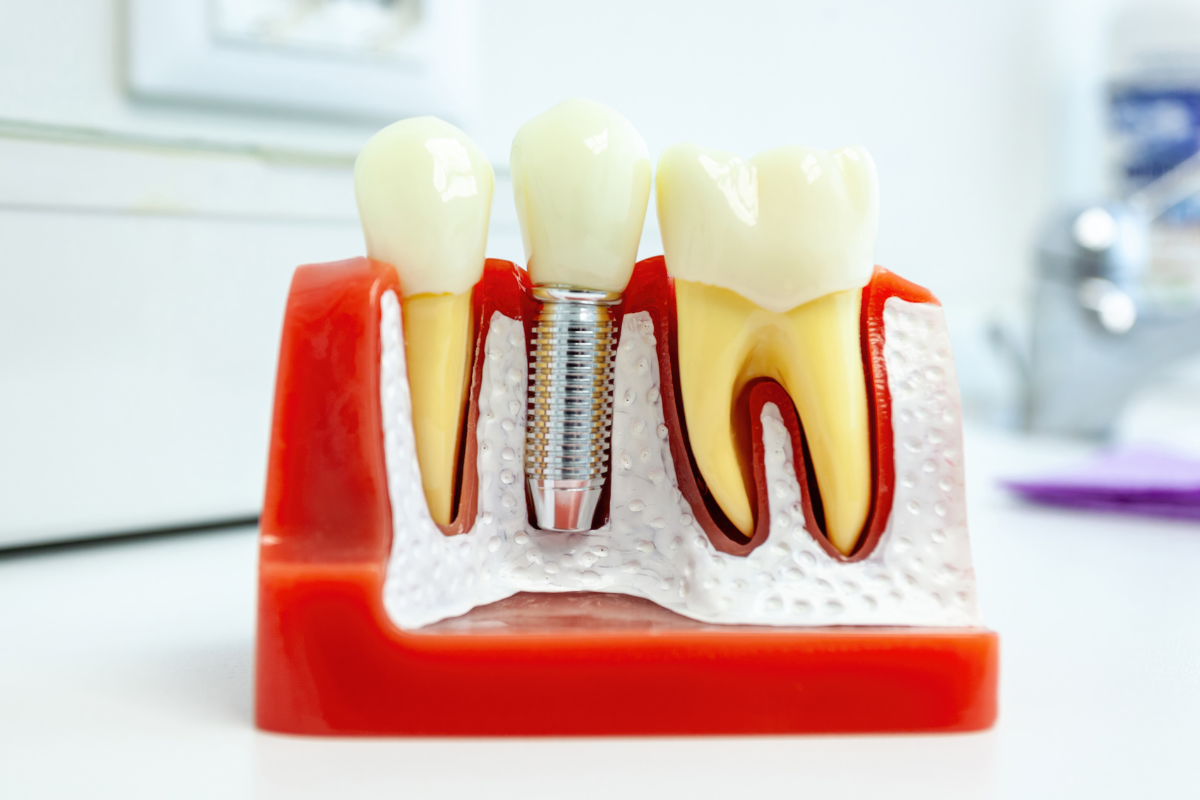
The longevity of dental implants is due in part to their unique design. The implant itself is made of titanium, which is biocompatible and fuses with the jawbone over time through a process called osseointegration. This provides a stable foundation for the crown or prosthetic tooth that is attached to the implant.
Additionally, regular oral hygiene practices such as brushing and flossing are necessary to maintain the health and longevity of dental implants. Routine visits to your dentist for check-ups and professional cleanings are also crucial in ensuring their continued success.
While the initial cost of dental implants may seem higher compared to other options like dentures or bridges, it’s important to consider their durability and long-term benefits. With proper maintenance and care, they can provide you with many years of improved oral function and aesthetics.
When weighing the cost of dental implants against their estimated years of life, it’s essential to think about your long-term oral health goals and how this investment can positively impact your overall quality of life.
The Bottom Line
In this article, we have explored the various factors that contribute to the cost of dental implants and discussed financing options available for those seeking this transformative procedure. Dental implants are a long-term investment in your oral health and can greatly improve your quality of life.
When considering the cost of dental implants, it is important to remember that they offer a permanent solution for missing teeth. Unlike other tooth replacement options, such as dentures or bridges, dental implants are designed to last a lifetime with proper care and maintenance.
While the initial price tag may seem daunting, it is essential to consider the estimated years of life that dental implants can provide. When compared to alternative treatments that may require frequent repairs or replacements over time, dental implants often prove to be a more cost-effective option in the long run.