7449 East Osborn Road #4 Scottsdale, Arizona 85251

A sudden toothache can disrupt your entire day and often signals that something is wrong beneath the surface. Whether the pain is sharp, throbbing, or constant, ignoring it can allow the problem to become more serious. If you’re in Scottsdale, AZ, getting prompt care is the best way to relieve discomfort and protect your oral health.
At Dentistry of Old Town Scottsdale, patients looking for a Dentist Near Me or an Emergency Dentist Scottsdale can receive prompt evaluation and treatment for unexpected dental pain. If you’re experiencing severe tooth pain, swelling, or signs of infection, call our office immediately. Waiting could allow the condition to worsen and lead to more extensive treatment.
What Causes Sudden Tooth Pain?
Although tooth pain may seem to appear without warning, the underlying problem has often been developing over time.
Conditions such as tooth decay, infection, cracks, gum disease, or damaged dental work can suddenly irritate the tooth’s nerve, causing discomfort that ranges from mild sensitivity to intense pain.
Identifying the cause early allows treatment to begin before permanent damage occurs.
1. Tooth Decay Has Reached the Inner Tooth
One of the most common causes of Sudden Tooth Pain is untreated tooth decay.
As cavities become larger, bacteria move deeper into the tooth and eventually reach the pulp, where nerves and blood vessels are located.
Symptoms often include:
- Sharp pain while eating
- Sensitivity to hot or cold foods
- Pain after eating sweets
- Lingering discomfort
Without treatment, decay may lead to infection and require more complex procedures.
2. A Cracked or Broken Tooth
Not every cracked tooth is easy to see.
Small fractures can expose the sensitive inner portion of the tooth, causing pain whenever pressure is applied.
Common causes include:
- Biting hard foods
- Teeth grinding
- Sports injuries
- Accidents
Even minor cracks should be evaluated quickly before they worsen.
3. A Dental Abscess
A dental abscess is a serious bacterial infection that develops near the tooth root or surrounding gum tissue.
Symptoms may include:
- Severe throbbing pain
- Swelling around the face or jaw
- A bad taste in the mouth
- Fever
- Swollen lymph nodes
A dental abscess requires immediate professional care because the infection can spread beyond the tooth if left untreated.
4. Gum Disease
Sometimes the source of pain isn’t the tooth itself.
Advanced gum disease may create inflammation around the roots, producing pain that feels similar to a toothache.
Other signs include:
- Bleeding gums
- Gum swelling
- Persistent bad breath
- Loose teeth
- Pain while chewing
Early treatment can help protect both your gums and supporting bone.
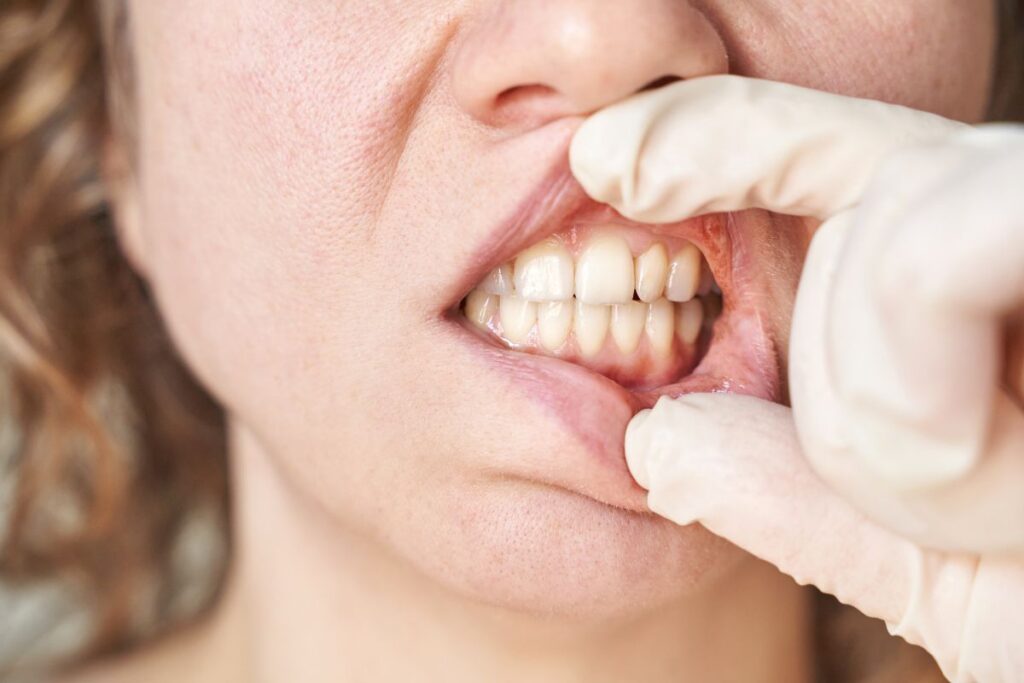
5. Worn Enamel or Tooth Sensitivity
When enamel becomes thinner or gums recede, the sensitive dentin underneath becomes exposed.
This may cause discomfort when consuming:
- Hot drinks
- Cold foods
- Sweet snacks
- Acidic beverages
If sensitivity develops suddenly or becomes severe, it should be evaluated to rule out a more serious condition.
When Is Sudden Tooth Pain a Dental Emergency?
Not every toothache requires immediate care, but some symptoms should never be ignored.
Seek emergency dental treatment as soon as possible if you experience:
- Severe or worsening tooth pain
- Swelling in your gums, jaw, or face
- A knocked-out or broken tooth
- Bleeding that doesn’t stop
- A cracked tooth causing intense pain
- Pus or drainage around a tooth
- Fever along with tooth pain
These symptoms may indicate a serious infection or injury that requires prompt professional care.
The American Dental Association (ADA) provides additional guidance on recognizing dental emergencies and when immediate professional treatment is recommended.
What Should You Do Before You Reach the Dentist?
While you’re on your way to receive emergency care, these simple steps may help reduce discomfort:
Rinse With Warm Salt Water
A gentle saltwater rinse can help remove debris and soothe irritated tissues.
Apply a Cold Compress
If swelling is present, place a cold compress against the outside of your cheek for 15 to 20 minutes at a time.
Avoid Chewing on the Painful Side
Until your tooth has been examined, chew on the opposite side of your mouth to avoid worsening the injury.
Do Not Place Aspirin on the Tooth
Although it’s a common home remedy, placing aspirin directly on your gums can irritate the soft tissue and won’t treat the source of the pain.
Call Immediately
If your tooth pain is severe, persistent, or accompanied by swelling, contact your dental office right away. Early treatment often prevents the problem from becoming more serious.

How Is Sudden Tooth Pain Treated?
Treatment depends on the underlying cause of the pain.
After examining your tooth and taking digital X-rays if necessary, your dentist may recommend:
- A dental filling for tooth decay
- Root canal therapy for an infected nerve
- A dental crown for a cracked or weakened tooth
- Periodontal treatment for gum disease
- Tooth extraction if the tooth cannot be saved
The goal is to relieve pain, treat the source of the problem, and restore your oral health as quickly as possible.
Quick Answer
Why does my tooth hurt all of a sudden?
Sudden Tooth Pain is commonly caused by tooth decay, a cracked tooth, a dental abscess, gum disease, or exposed tooth roots. Because many of these conditions worsen without treatment, it’s important to seek professional care as soon as possible—especially if the pain is severe or accompanied by swelling.
Myth vs. Fact
Myth: If the pain goes away, the problem has healed.
Fact: Pain may temporarily disappear if the nerve inside the tooth becomes damaged, but the infection or underlying condition can continue to progress.
Myth: Tooth pain can wait until your next routine checkup.
Fact: Severe or sudden tooth pain often indicates a condition that should be evaluated promptly to prevent further damage or infection.
Myth: Pain medication fixes a toothache.
Fact: Pain relievers may temporarily reduce discomfort, but they don’t treat the underlying dental problem. Professional treatment is needed to resolve the cause.
Don’t Ignore Sudden Tooth Pain
Unexpected tooth pain rarely resolves on its own and may become more serious if left untreated. Getting prompt care can help relieve discomfort, protect your tooth, and prevent complications.
Need Emergency Dental Care? Call Us Now.
If you’re experiencing severe tooth pain, swelling, or another dental emergency, don’t wait for the symptoms to worsen.
7449 E Osborn Rd #4
Scottsdale, AZ 85251
Call (480) 719-6994 now so our team can evaluate your condition and provide the emergency dental care you need as quickly as possible.
Frequently Asked Questions
1. Can sudden tooth pain go away on its own?
The pain may temporarily decrease, but the underlying cause often remains. A dental examination is the best way to determine what’s causing the discomfort.
2. When should I call an emergency dentist for tooth pain?
Call immediately if your tooth pain is severe, persistent, associated with swelling, fever, pus, or if you’ve suffered a dental injury.
3. Can a cavity cause sudden severe pain?
Yes. Once tooth decay reaches the inner pulp, it can cause significant pain and sensitivity that often requires prompt treatment.
4. Is swelling with a toothache an emergency?
Swelling may indicate an infection. Because dental infections can spread, it’s important to seek emergency dental care as soon as possible.
5. What should I avoid doing with a painful tooth?
Avoid chewing on the affected side, extremely hot or cold foods, and delaying treatment if the pain is severe or getting worse.