7449 East Osborn Road #4 Scottsdale, Arizona 85251
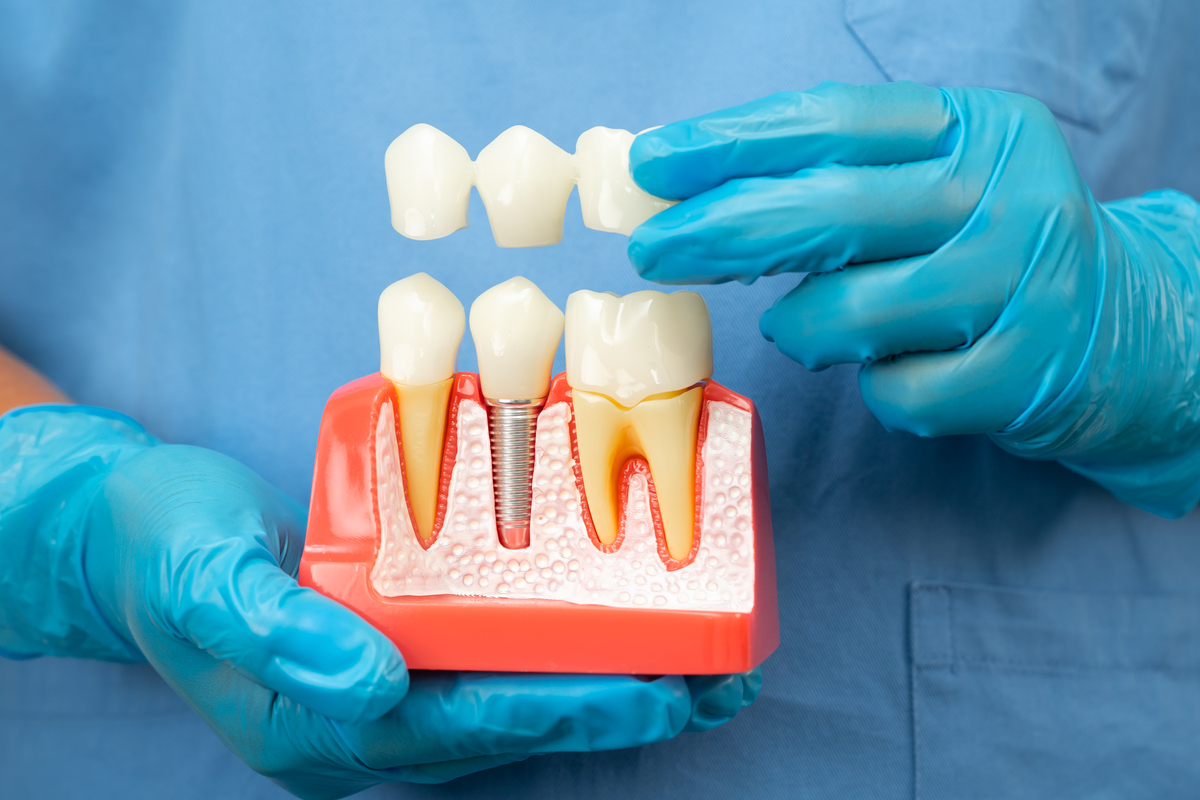
So, you’ve just taken the leap and invested in a brand-new smile. Congratulations! Dental implants are a game-changer, but as you’re sitting there with a bit of numbness and a lot of excitement, your stomach starts growling. You’re craving that local Nashville hot chicken or maybe a bowl of spicy ramen from that spot down the street.
But then you stop—fork mid-air. Is that hot sauce going to ruin your $4,000 investment?
It’s a fair question. We Americans love our heat; in fact, according to Instacart data, sales of hot sauce in the U.S. have grown significantly, with some states seeing a 50% increase in spicy condiment purchases over the last few years. However, when it comes to oral surgery, “spicy” and “healing” don’t always go hand in hand.
Let’s dive into the science of why your spice rack needs to stay closed for a few days and when exactly you can safely return to the heat.
The Growth of Dental Implants
Before we talk about the food, let’s look at why this procedure is so common. According to the American Academy of Implant Dentistry (AAID), approximately 3 million Americans have dental implants, and that number is growing by 500,000 every year.
The success rate is staggering, sitting at about 95% to 98% when performed by professionals. However, that high success rate depends heavily on “post-operative compliance.” In plain English: what you do (and eat) in the first 72 hours matters immensely.
Initial Healing Is a Sensitive Time
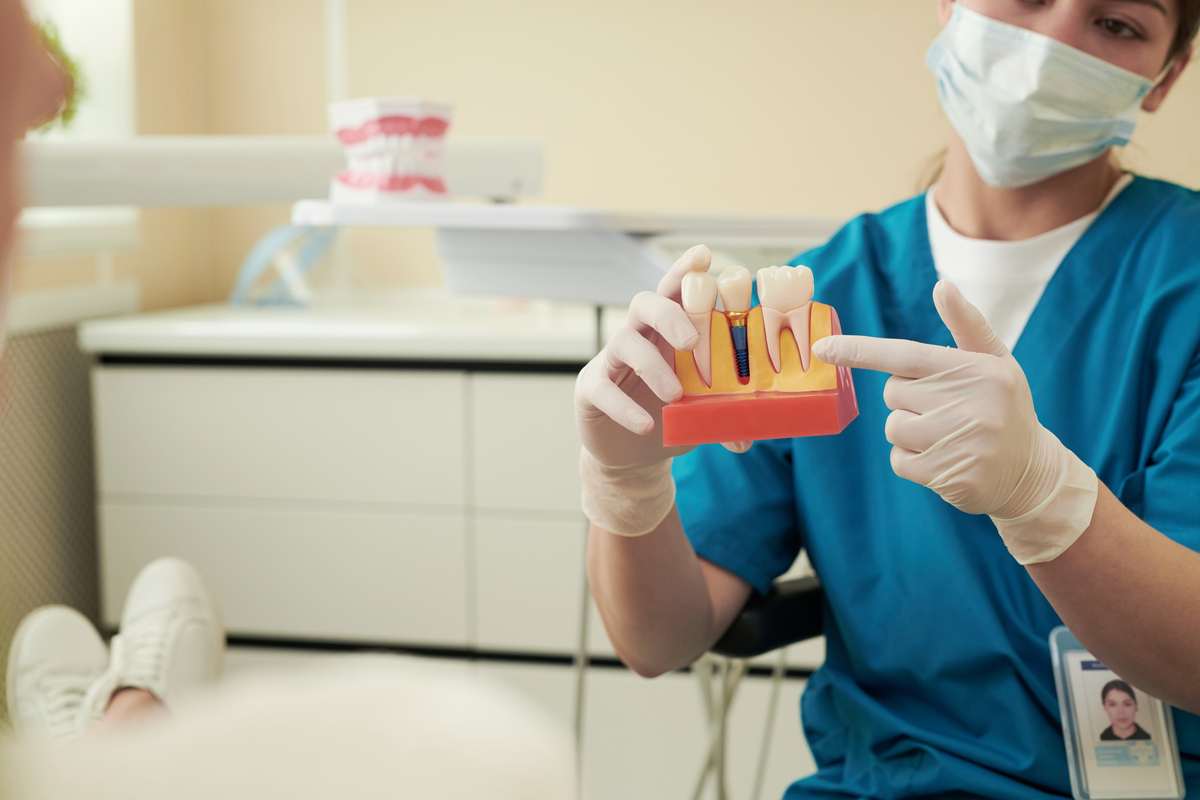
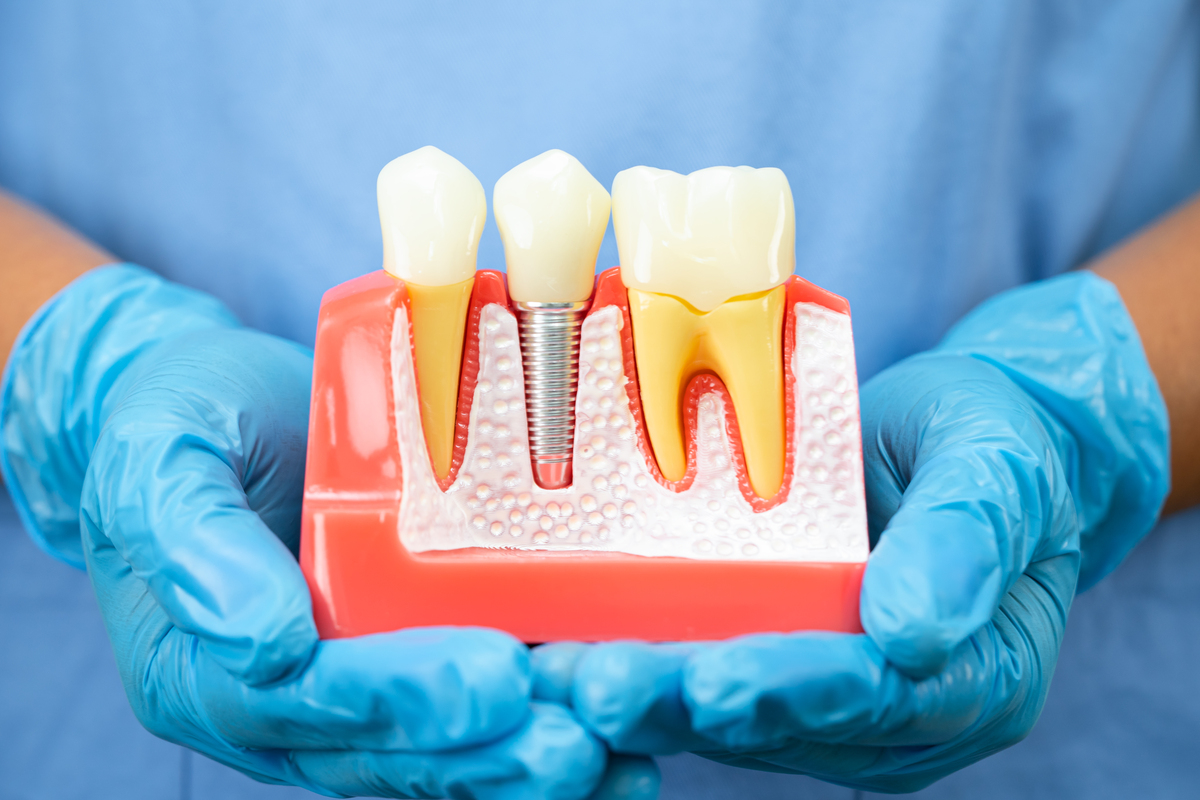
After implant surgery, your body undergoes a process called osseointegration, in which the implant fuses with your jawbone. This process generally takes weeks to months, and during that time, the tissue around the implant site is delicate and sensitive.
During the first few days after surgery — especially the first 72 hours — your mouth is at its most vulnerable. That means sticking to a soft, bland diet and avoiding anything that could irritate tissues is key. Spicy foods can cause burning sensations and increase inflammation, which may delay healing and raise discomfort.
So let’s explore exactly why spicy food can be problematic — and when it might be okay to enjoy again.
Why Spicy Food Is a No-Go Early On
Spicy foods contain compounds like capsaicin — the chemical that gives peppers their heat. Capsaicin does more than make your tongue feel hot; it stimulates nerve endings and can increase inflammation in sensitive tissues, including your gums.
Here’s what happens if you eat spicy food too soon:
- Irritation & Burning: Capsaicin can trigger a sharp burning sensation around your implant site, making already tender tissue more sensitive.
- Increased Inflammation: Your body needs controlled inflammation to heal. But additional irritation from spicy foods can exacerbate inflammation, potentially slowing healing and making it more uncomfortable.
- Discomfort While Cleaning: Changes in taste and texture sensation after surgery are normal. If spicy food makes your surgical area hurt more, it might discourage you from brushing or rinsing, which can affect oral hygiene and increase your risk of infection.
These are the reasons dentists typically advise patients to avoid spicy foods early in recovery.
When You Can Reintroduce Spicy Foods
There’s no universal “one-size-fits-all” rule, but most dental professionals break it down like this:
- Days 1–3: Stick to bland, soft foods only. No spicy or acidic foods. This initial healing phase is when the risk of irritation is highest.
- Week 1–Week 2: Your soft tissues and surgical sites are still healing. You can expand your diet a bit, but keep it mild and unsalted.
- Around Week 3: If your dentist gives you the okay and you are healing well, you might start with mild spices and see how your mouth responds. Go slow.
- After 4–6 Weeks: Many patients can reintroduce regular spicy foods at this point, with caution. However, everyone heals differently — your dentist’s guidance should be your roadmap.
What You Should Eat After Surgery
While you’re waiting to enjoy spicy foods again, here’s what most dentists recommend:
Soft, Nourishing Options
- Yogurt, applesauce, pudding
- Mashed potatoes and soft-cooked vegetables
- Smoothies (no seeds)
- Scrambled eggs
- Cream soups (cool or lukewarm)
- Soft fish or well-cooked beans
These foods are gentle on healing tissues and provide nutrition without irritation.
Cool or Room-Temperature Foods
Hot foods can irritate, too — it’s smart to keep things cool or at room temperature early on, especially during the first 48–72 hours.
Dental Implant Success: Diet Matters
Here’s the good news: dental implants in Scottsdale have very high success rates in the U.S. — generally around 95–98% when properly cared for.
That means most people will heal well and keep their implants for decades with proper care, including following dietary guidance. Some long-term studies show success rates above 90% at 10+ years after placement.
But diet during healing isn’t just about comfort — it affects your long-term result.
Avoiding irritants (like spicy foods too early) helps reduce inflammation and supports healthy tissue integration. In contrast, discomfort or poor oral care can increase the risk of infection or peri-implant issues, compromising success.
Don’t Forget About Acidic Foods Too
Spicy foods are often acidic or eaten with acidic condiments (like tomato sauce, citrus, vinegar). Dentists also commonly recommend avoiding acidic foods early on, because they can irritate gums and slow healing.
So that chili with lime? That’s a double whammy.
Tips to Enjoy Spicy Food Safely After Healing
If you get the okay from your qualified dentist in Scottsdale and you’re good to eat spices again, follow these tips:
- Start Mild: Begin with low-heat foods and see how your mouth feels.
- Avoid Direct Impact on Implant Site: Eat on the opposite side of your mouth if possible.
- Watch for Irritation: If you notice burning, swelling, or discomfort after spicy food, take a step back and give it more time.
- Maintain Hygiene: Brush and rinse as directed — food particles left near healing tissue can lead to bacterial irritation.
Conclusion
Spicy food is one of life’s great pleasures — but it’s not worth risking implant healing early on. During the first few weeks after surgery, your tissues are still rebuilding and sensitive to irritation. Spicy foods can worsen symptoms like burning and inflammation, slow healing, and reduce comfort.
Typically, patients avoid spicy foods for 3–4 weeks, and often up to 6 weeks, depending on individual healing and professional advice.
Once you have your dentist’s go-ahead, you can reintroduce spices mindfully — one bite at a time.
Recovering well from your implant empowers you to enjoy your favorite foods in the long run. Just remember: great healing today = great meals tomorrow!
Frequently Asked Questions
- How long should I avoid spicy food after a dental implant?
Most dentists recommend avoiding spicy food for at least the first 3–4 weeks. Some patients wait up to 6 weeks, depending on healing and follow-up care. - Why can’t I eat spicy food right after surgery?
Spicy foods can irritate sensitive gum tissue, cause increased inflammation, and worsen discomfort during the early healing phase. - Can spicy food cause implant failure?
Spicy food alone isn’t likely to cause failure. But if it leads to persistent irritation, inflammation, and poor oral hygiene, that can contribute to complications. - What signs show my mouth is ready for spices?
Minimal pain, no swelling around the surgical site, and dentist approval are good signs. Test a small amount and monitor your comfort. - Are there foods I should absolutely avoid besides spicy ones?
Yes — hard, crunchy, sticky, highly acidic, or very hot foods can also delay healing and should be limited early on.