7449 East Osborn Road #4 Scottsdale, Arizona 85251
Ever poked your tongue out in the mirror and noticed a few “lie bumps” or strange textures? You aren’t alone. Whether you call them lie bumps or just annoying little spots, these tiny elevations—technically known as papillae—are usually harmless. But if you’re one of the 3 million Americans who have invested in dental implants (according to the AAID, 2023), those little bumps take on a whole new meaning.
In Scottsdale, where we value a high-functioning, aesthetic smile, understanding the link between your tongue’s health and your dental implants is more than just curiosity—it’s essential for protecting your investment. So, let’s dive into why your tongue might be the secret gatekeeper to your implant’s success!
What Are Those Little Bumps on the Tongue?
Most people have tiny bumps on their tongue called papillae — structures that house their taste buds. They normally give the tongue its slightly rough texture. When these papillae become irritated or enlarged, you might see and feel them more prominently.
Common causes of tongue bumps include:
- Transient lingual papillitis (also called “lie bumps”): Small inflamed papillae, often linked to irritation from spicy food, stress, or trauma.
- Canker sores: Small, painful ulcers that can form anywhere inside the mouth — including on the tongue.
- Irritation or trauma from biting your tongue, braces, or the sharp edges of your teeth.
- Allergic reactions to foods or oral care products.
- Infections (viral or fungal) — more common in immunocompromised individuals.
- Less common but serious causes: persistent lumps that don’t heal may need professional evaluation, especially with risk factors like tobacco use or alcohol.
Important: Most bumps are harmless and should go away in about 7–14 days with good oral hygiene and care.
Dental Implants: What Are the Risks?
Before we connect tongue bumps to implants, let’s understand dental implant basics and how often problems occur.
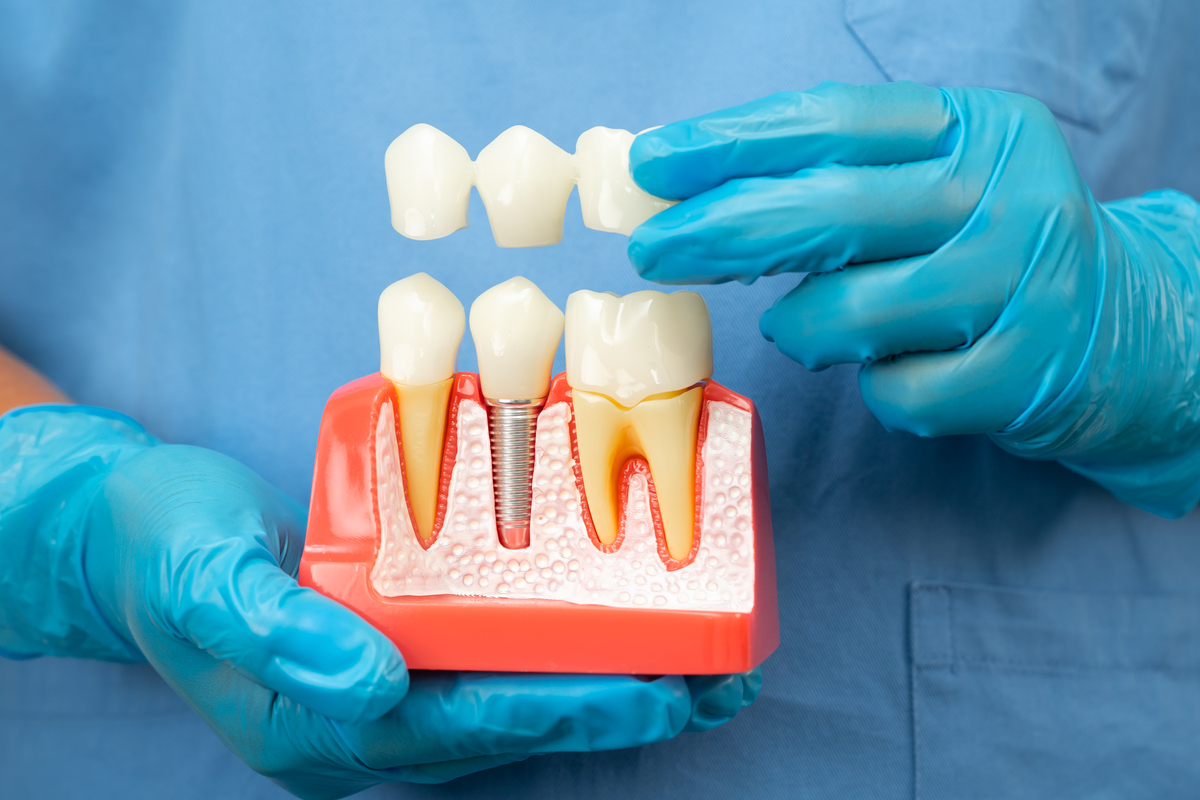
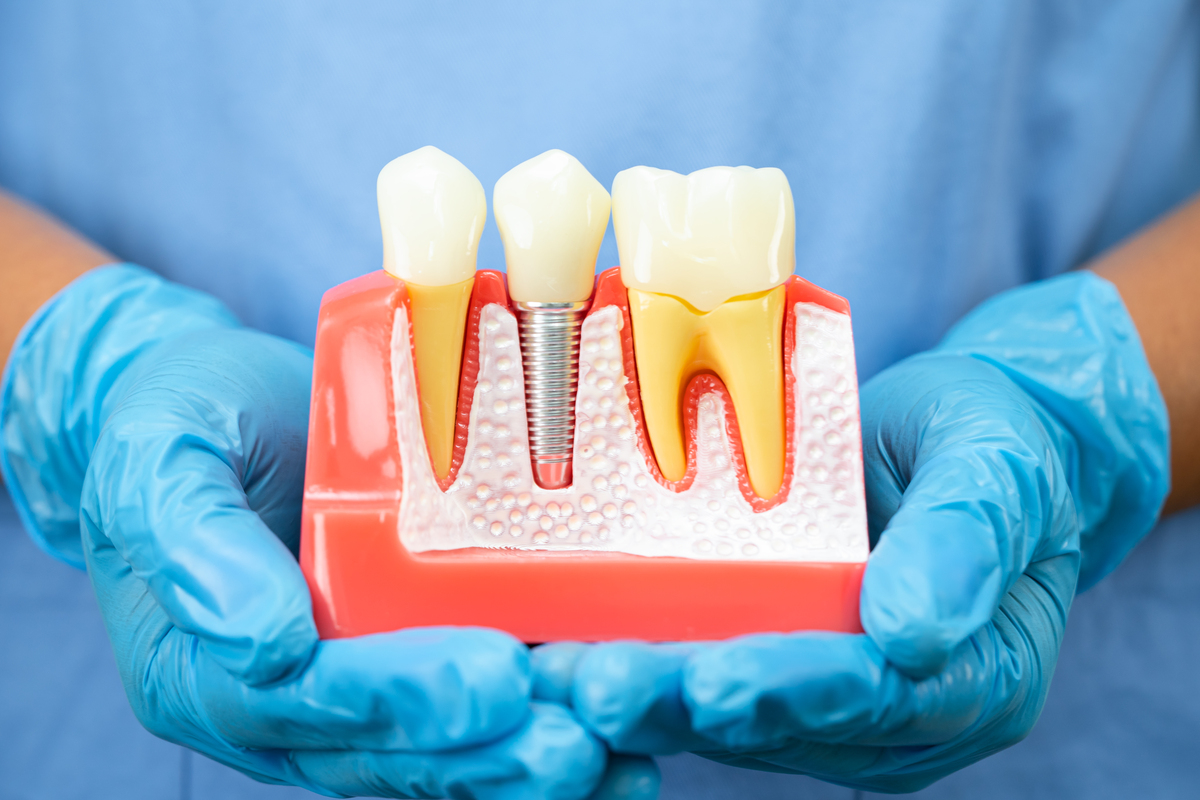
According to the U.S. Food and Drug Administration (FDA), dental implants are safe and effective for replacing missing teeth. They’re placed into the jawbone and can take several months to fully integrate during the healing process.
Success rates in healthy, non-smoking patients are very high — often 95% to 98% long-term. However, complications can occur.
Common complications include:
- Infection at the implant site.
- Peri-implantitis — inflammation of the tissues around an implant (similar to gum disease).
- Nerve damage — rarely, implants placed too close to nerves can cause tingling or discomfort.
- Lack of osseointegration (the bone doesn’t fully integrate with the implant).
Despite these risks, implants remain one of the most successful tooth-replacement options when placed and maintained properly.
Can Tongue Bumps Actually Affect Dental Implants?
This is the big question! Let’s tackle it clearly:
Direct Effects — Unlikely but Possible
Little bumps on your tongue alone don’t directly cause dental implant failure — but here’s how they can intersect:
Tongue Irritation and Implant Prosthetics
In rare cases, roughly placed implant crowns or prosthetics that rub against the tongue can cause chronic irritation or sores. This isn’t a bump causing implant failure — it’s an implant irritating the tongue. Reports from dental professionals and patients alike show that misaligned or poorly designed implant prosthetics can create sores or ulcers on the tongue if they physically rub against soft tissue over time.
In other words, tongue bumps could be a symptom of a mechanical irritation from dental work, not the other way around.
Infection and Oral Health
Chronic tongue sores or bumps caused by persistent irritation or infection may increase oral bacterial load. Although routine oral bacteria don’t directly infect bone, poor oral hygiene and ongoing soft-tissue irritation can contribute to peri-implant mucositis or peri-implantitis, which can affect implant success if left untreated.
Peri-implantitis is a condition where the tissues around an implant become inflamed and can lead to bone loss over time — and it does reduce long-term implant success if not managed.
So the Key Takeaway Is:
- Little tongue bumps alone usually aren’t dangerous.
- But if you notice persistent sores, non-healing bumps, or unusual irritation around an implant site, see a local certified Scottsdale dentist, where oral health professionals are readily available.
When to Start Worrying
Most tongue bumps clear up on their own — but watch out for:
- Bumps lasting more than 2–3 weeks without improvement.
- Bumps that bleed easily, grow in size, or are painful.
- Changes in colour, persistent redness, or lumps with hardness.
These could warrant professional evaluation — especially if you have dental implants or are considering them.
Scottsdale residents should seek an oral healthcare provider — implants are common, but your mouth requires care beyond just teeth! Local clinics often see early lesions and soft-tissue changes before they turn into implant complications.
What the Data Says on Oral Lesions and Implants
A large retrospective study analyzing 3,641 biopsies found that 1.18% of cases showed lesions associated with dental implants — including inflammatory and reactive conditions.
Among these implant-associated lesions:
- 39.5% were inflammatory/reactive (like peri-implantitis).
- 14% were peripheral giant cell granulomas — inflammatory masses that can resemble peri-implant diseases.
- Rarely, malignant lesions like squamous cell carcinoma can appear around implants.
Even though these percentages sound small, the number of dental implants placed annually in the U.S. continues to rise — meaning monitoring for soft-tissue changes remains important.
Best Practices for Residents
If you’ve got dental implants — or are planning them — here’s how to keep your mouth healthy:
- Maintain Excellent Oral Hygiene: Brush twice daily, floss carefully around implants, and use antimicrobial rinses if recommended by your dentist.
- Look Out for Soft-Tissue Changes: Tongue bumps that don’t resolve in a couple of weeks? Get checked out.
- Avoid Tobacco and Excessive Alcohol: Smoking increases implant failure risk and gum disease. Local data shows that smokers have greater periodontal inflammation and more severe peri-implant issues.
- Visit Your Dentist Regularly: Routine check-ups can catch issues before they jeopardise your implant investment.
Conclusion
“Little bumps on my tongue” — it sounds so simple, yet it can raise a lot of questions when dental implants enter the picture. The good news? In most cases, small tongue bumps are harmless and temporary. Most aren’t a sign of serious problems, and they’re unlikely to directly affect your dental implants.
That said, persistent lesions, chronic irritation, or non-healing bumps deserve professional evaluation — especially if you have implants or are considering them here in Scottsdale. Early attention helps preserve not just your smile, but your overall oral well-being.
So don’t ignore your mouth’s signals — trust your instincts, ask questions, and work with your dentist to keep your implants healthy and your tongue bump-free!
Frequently Asked Questions
- Can tongue bumps cause dental implant failure?
No — benign tongue bumps alone typically don’t cause implant failure. However, persistent irritation or infection near an implant site can contribute to complications if left untreated.
- How long should I wait before seeing a dentist for tongue bumps?
If a bump persists beyond 2–3 weeks, grows, changes colour, bleeds, or is painful, it’s time to see a dental professional.
- Can dental implants cause bumps on my tongue?
Only indirectly — for example, if a crown or restoration rubs against your tongue consistently. Poorly fitting prosthetics can cause irritation bumps.
- Are all tongue bumps dangerous?
No! Most are harmless — like transient lingual papillitis or irritation from food. But persistent, painful, or changing bumps should be examined.
- How do I prevent implant-related issues?
Good oral hygiene, regular dental check-ups, avoiding tobacco, and addressing tongue or gum irritation early help prevent problems like peri-implantitis.