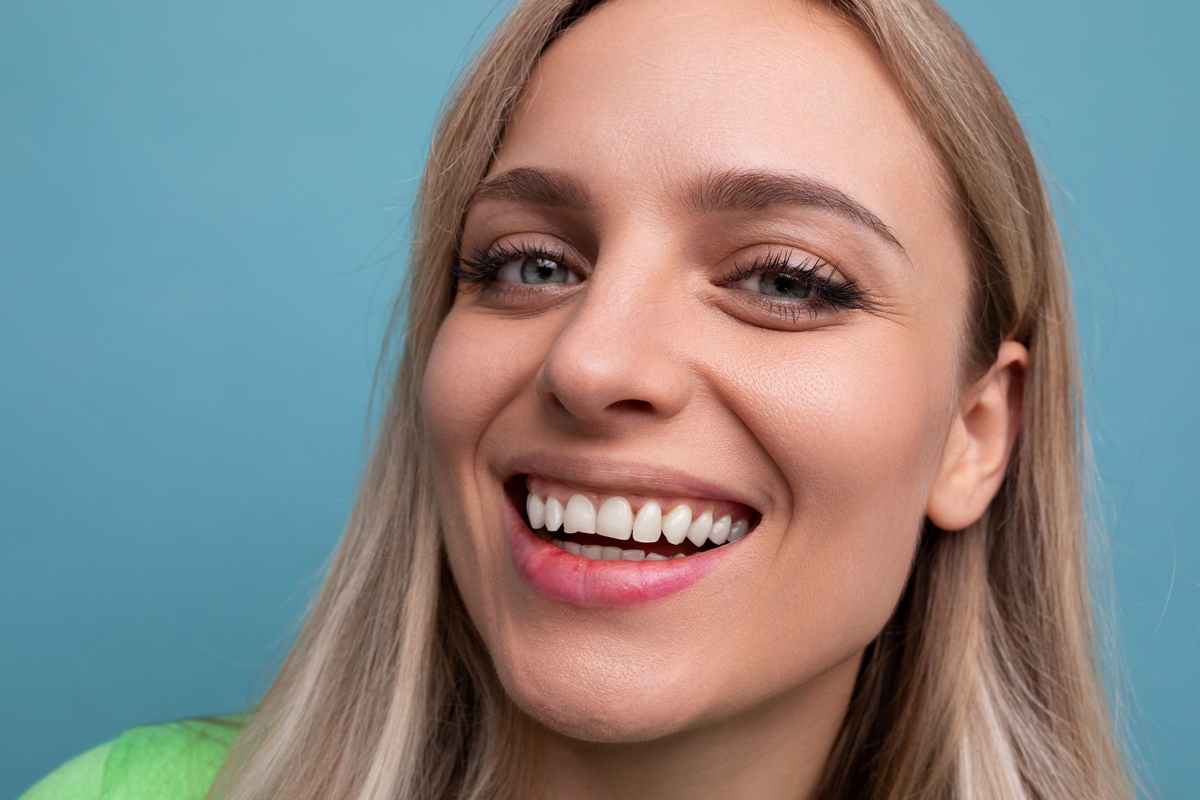

Ever catch yourself checking your smile in the reflection of a shop window, only to quickly press your lips together? Or maybe you’re the person in the group photo who always chooses the “no-teeth” grin?
If so, you aren’t alone. Recent data from 2026 shows that nearly 48% of American adults believe a smile is the most memorable feature after meeting someone for the first time, yet over 70% of aesthetic professionals report that patients feel their real-life smiles don’t live up to their “filtered” social media versions.
Whether you’re dealing with “coffee-stained” enamel or teeth that have been slightly crooked since high school, the good news is that 2026 is the year of the “Smart Smile.” From AI-driven simulations to ultra-thin porcelain, the solutions are faster and more natural-looking than ever. Let’s dive into the best cosmetic dentistry solutions for crooked or stained teeth in the United States today.
The “Perfect Smile” Economy: Why It Matters in 2026
In the U.S., a smile isn’t just about health; it’s a social and professional asset. According to a 2026 study by Kelton Research, Americans with straight teeth are perceived as 58% more successful and 38% smarter than those with crooked teeth.
With the U.S. cosmetic dentistry market projected to reach nearly $20 billion by the end of this year, the industry has shifted toward “biomimetic” treatments—procedures that mimic natural tooth structure rather than looking like a row of bright white “chicklets.”
Why Crooked and Stained Teeth Matter
Crooked or discolored teeth aren’t just cosmetic concerns—they can impact your:
- Confidence and self-esteem
- Professional and social interactions
- Oral health and hygiene
Research shows that over one-third of Americans are unhappy with their smile, and dissatisfaction often leads to avoiding photos or social interactions.
Additionally, crooked teeth can trap bacteria, making brushing and flossing harder, while stains may indicate underlying issues like enamel wear or lifestyle habits.
Common Causes of Crooked and Stained Teeth
Crooked Teeth Causes
- Genetics (jaw size, tooth alignment)
- Childhood habits (thumb sucking)
- Injury or trauma
- Poor oral habits
Tooth Discoloration Causes
- Coffee, tea, wine, smoking (extrinsic stains)
- Aging and enamel thinning
- Medications (e.g., tetracycline)
- Fluorosis or internal damage
Understanding the cause helps determine the best cosmetic solution.
Best Cosmetic Dentistry Solutions
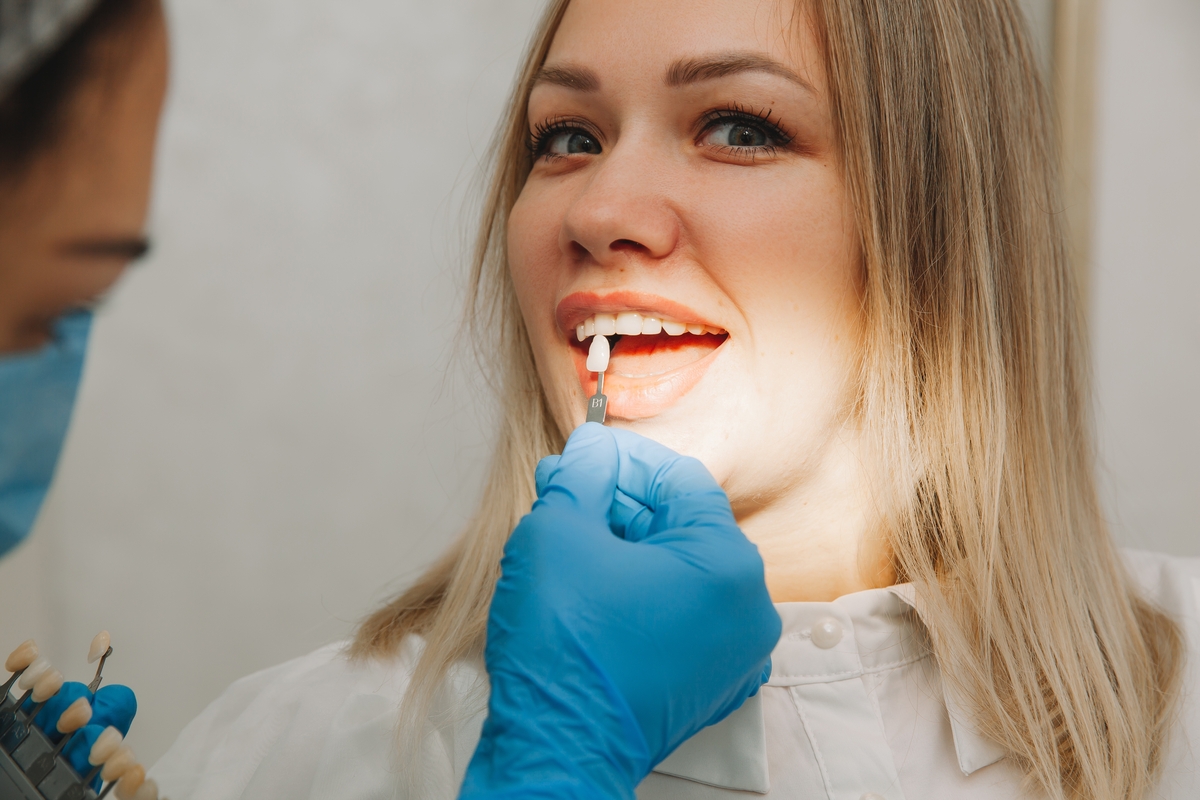
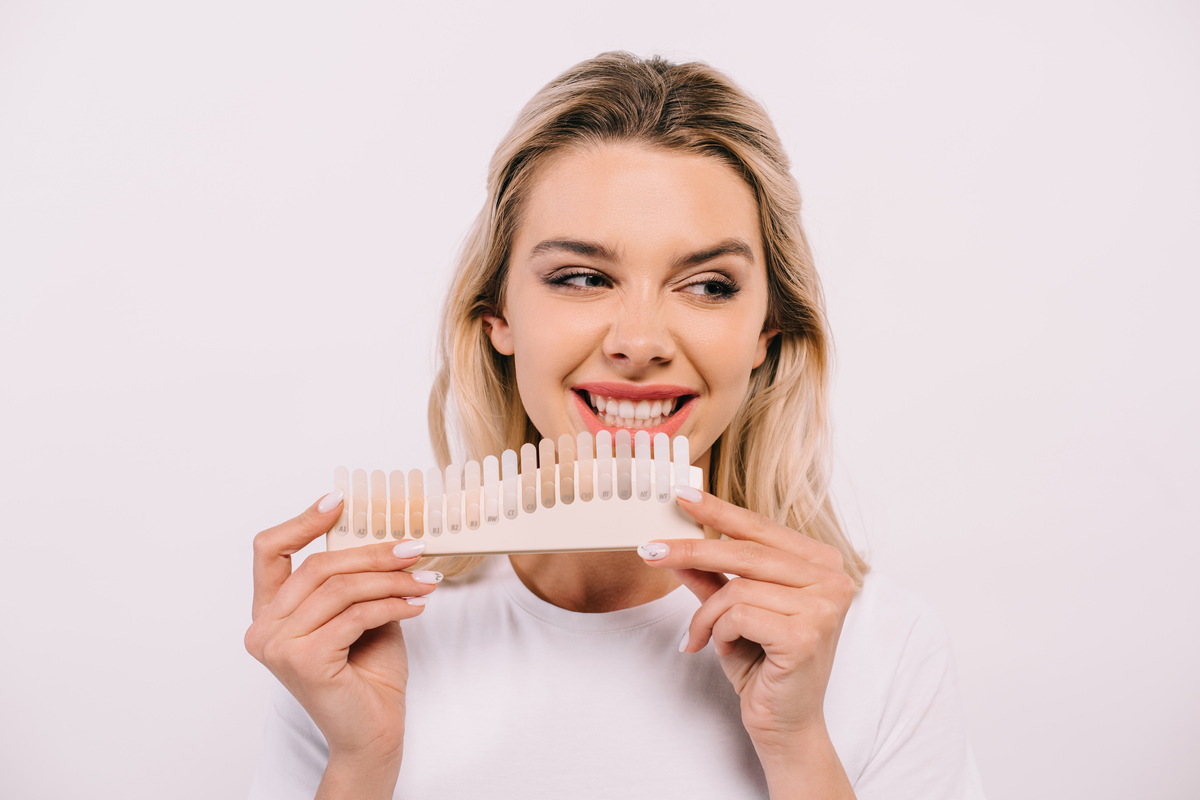
1. Professional Teeth Whitening
Best for: Yellow or surface stains
Teeth whitening is the most requested cosmetic dental treatment in the U.S.
How It Works:
Dentists use peroxide-based agents to chemically break down stains.
Benefits:
- Fast results (often in one visit)
- Safe and supervised
- Noticeable whitening (several shades lighter)
Limitations:
- Doesn’t fix deep intrinsic stains
- Results may fade without maintenance
2. Dental Veneers
Best for: Severe discoloration, minor misalignment, gaps
Veneers are thin porcelain shells bonded to the front of teeth.
Benefits:
- Instant smile transformation
- Corrects both color and shape
- Long-lasting (10–15 years)
Limitations:
- Irreversible (requires enamel removal)
- Higher upfront cost
Veneers are often chosen for “Hollywood smile” makeovers.
3. Clear Aligners (Invisalign)
Best for: Mild to moderate crooked teeth
Clear aligners have revolutionized orthodontics by offering a nearly invisible alternative to braces.
Benefits:
- Removable and discreet
- Faster than traditional braces in many cases
- Comfortable and convenient
Limitations:
- Requires discipline (20–22 hours/day wear)
- Not ideal for severe misalignment
4. Traditional Braces
Best for: Severe alignment issues
Still the gold standard for complex cases.
Benefits:
- Highly effective for all alignment issues
- Predictable results
Limitations:
- Visible and less comfortable
- Longer treatment time (1–3 years)
5. Dental Bonding
Best for: Minor chips, stains, or gaps
A tooth-colored resin is applied and shaped to improve appearance.
Benefits:
- Affordable and quick
- Minimally invasive
- Same-day results
Limitations:
- Less durable than veneers
- May stain over time
6. Dental Crowns
Best for: Severely damaged or discolored teeth
Crowns cover the entire tooth, restoring both function and aesthetics.
Benefits:
- Strong and durable
- Improves both appearance and function
Limitations:
- Requires significant tooth preparation
- Higher cost than bonding
Psychological and Social Benefits
Cosmetic dentistry doesn’t just change your smile—it can transform your life.
Studies show improvements in:
- Self-esteem
- Social interaction
- Professional confidence
Patients often report feeling more comfortable smiling, speaking, and engaging with others after treatment.
How to Choose the Right Solution
When deciding, consider:
1. Severity of the Issue
- Mild → Whitening or bonding
- Moderate → Aligners or veneers
- Severe → Braces or crowns
2. Budget
Cosmetic procedures are often not covered by insurance, with Americans spending billions out of pocket annually.
3. Time Commitment
- Quick fix → Whitening or bonding
- Long-term → Aligners or braces
4. Desired Results
- Subtle improvement → Whitening
- Complete makeover → Veneers
Trends in Cosmetic Dentistry
- Increased demand for minimally invasive procedures
- Growth in clear aligner popularity
- Rising interest in smile makeovers
- Integration of digital smile design technology
The market is projected to reach $8.88 billion by 2034, highlighting the growing importance of cosmetic dental care in the U.S.
Conclusion
Whether you are looking to fix a lifelong insecurity or simply want to refresh your look for a career move, cosmetic dentistry in 2026 offers more “conservative” options than ever before. You no longer have to choose between a “fake” look and a “crooked” one. By leveraging AI planning and ultra-thin materials, your local certified Scottsdale dentist can help you achieve a smile that is uniquely yours—only brighter and straighter.
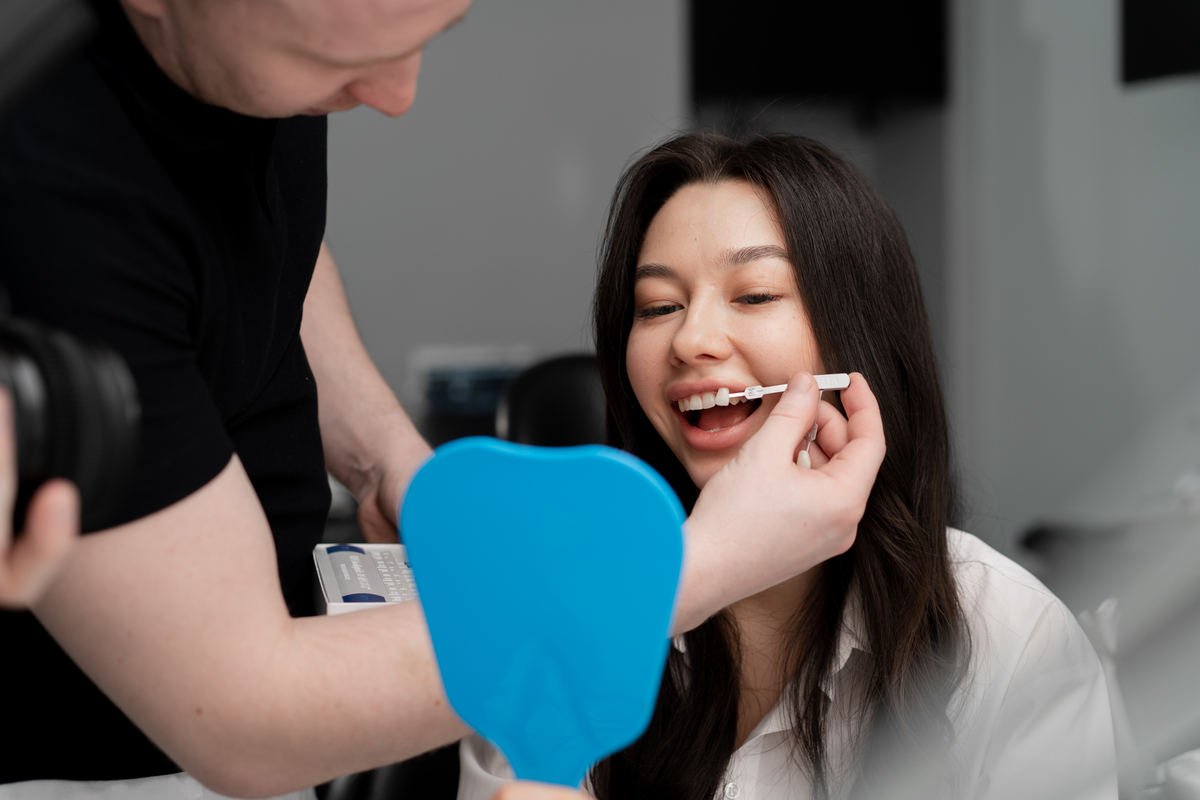
The first step? A digital consultation. Most modern practices now offer a “Smile Virtual” or digital mock-up that lets you see your results before a single tool touches your teeth.
Frequently Asked Questions
1. What is the fastest way to fix stained teeth?
Professional teeth whitening is the fastest option, often delivering results in a single dental visit.
2. Are veneers better than whitening?
Veneers are better for severe stains or multiple issues, while whitening works best for mild discoloration.
3. How long do cosmetic dental treatments last?
It depends on the procedure—whitening may last months, while veneers and crowns can last over a decade.
4. Is cosmetic dentistry safe?
Yes, when performed by a licensed dentist. Most procedures are minimally invasive and clinically tested.
5. Does insurance cover cosmetic dentistry in the U.S.?
Typically, no. Most cosmetic procedures are considered elective, though some functional treatments may receive partial coverage.